

 Latest editorial





Shadow Scottish health secretary Neil Findlay demanded the suspension of a medical process yesterday following revelations it was leaving hundreds of women in severe pain.
Transvaginal mesh implants, used to treat prolapse and incontinence, were approved as safe by the Scottish government despite warnings from experts, but Health Secretary Alex Neil has now come under fire as women across Scotland have fallen victim to life-changing complications.
Mr Findlay demanded a public inquiry and said: "The Scottish government does not appear to have a clue what is going on.


Evidence to peers from medical leaders, patient safety officials and the children’s commissioner has intensified fears that the Bill’s safeguards are inadequate, writes ADAM JAMES POLLOCK
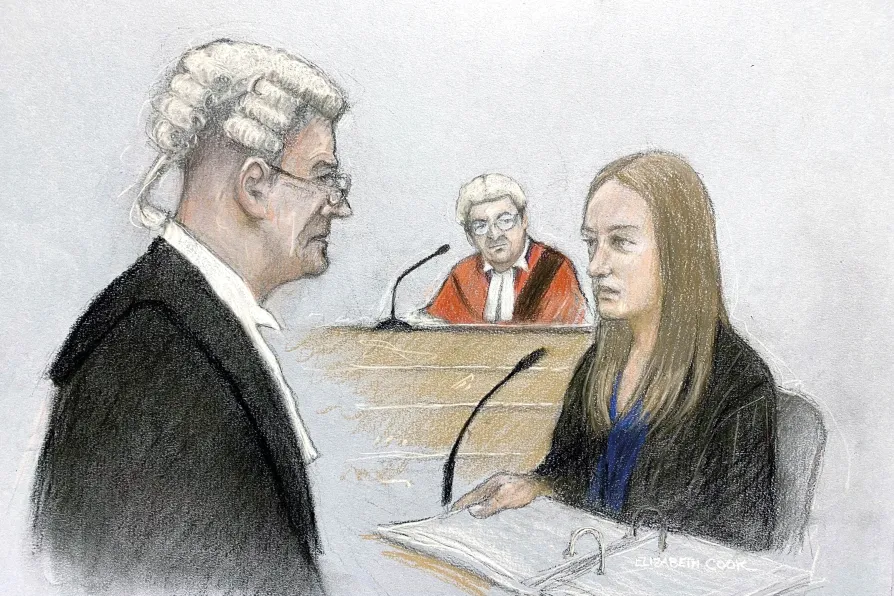
Former judge ANSELM ELDERGILL examines the details and controversy of Lucy Letby’s trial and appeal in the context of famous historical wrongful convictions that prove both the justice system and legal activists make errors

Seventeen years after losing her council job due to needing endometriosis surgery, Michelle Dewar’s campaign for paid menstrual leave gained 50,000 signatures in a week, reports ELIZABETH SHORT