In the wake of Ann Widdecombe’s murder, JOHN GREEN wonders whether the government will really get to grips with the root cause of these attacks on our MPs


 Latest editorial
Chuggers for nuclear take us for mugs
In the sleazy world of energy politics, prepare to be groomed – or even ‘normalised,’ says ALAN SIMPSON

Despite the screeching from the right-wing media, Burnham’s speech chimed with the public mood - and socialists should take advantage, says Morning Star editor BEN CHACKO
Nature as well as society works dialectically, asserts the Marx Memorial Library and Workers’ School
Rising temperatures and human activity are making life far harder for these vital pollinators. ALEX DITTRICH explains
Lesbians and Gays Support the Miners co-founder MIKE JACKSON talks to Matt Kerr about the enduring power of Pride, protest and trade unionism
Behind the language of military strategy is a confrontation that risks drawing the wider Middle East into war, says STEVE BISHOP




AT A high-powered PR summit in London, energy giant EDF’s head of communications proudly reported that sponsoring the Olympics had “added value to the nuclear brand.”
Flushed with this success, EDF now plans to harness a new team of company volunteers who will “go out into the community and schools to tell the story.”
Their Bringing Nuclear to Life initiative will unleash hundreds of volunteer EDF joggers onto the streets, each carrying the torch for new nuclear. Their stated objective will be to “normalise nuclear to consumers.”

Similar stories

While politicians fixate on defence budgets, the real answers lie in peace-building and economic justice, says ALAN SIMPSON
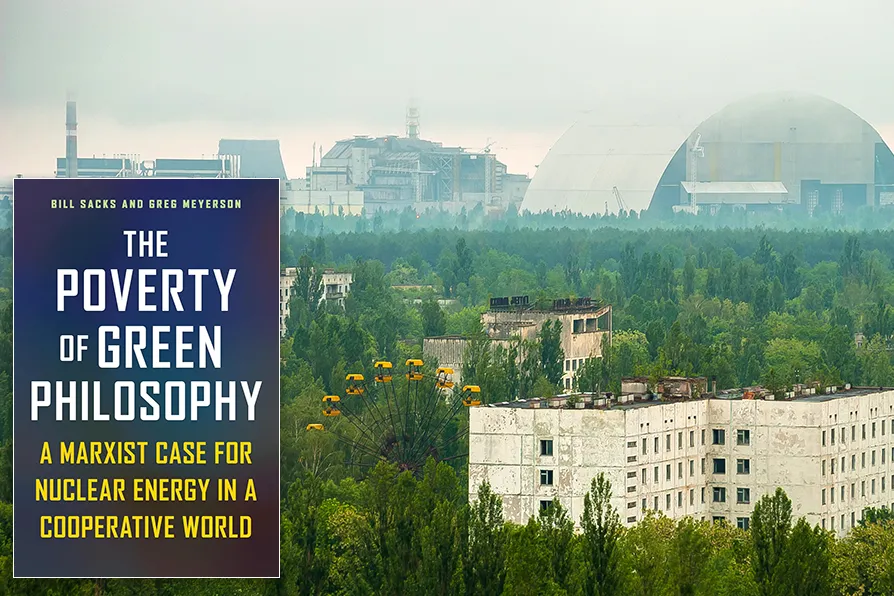
BRENT CUTLER welcomes a valuable contribution to discussions around the need to de-carbonise energy production

As the dollar falters and US power turns predatory, Britain and Europe must abandon transatlantic illusions and build a collectivist alternative before the system implodes, writes ALAN SIMPSON
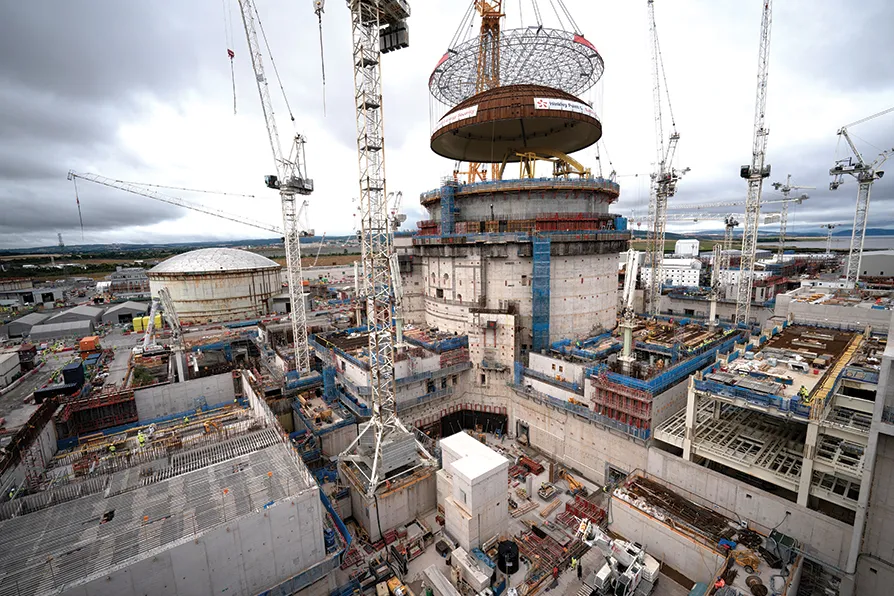
The Communist Party of Britain’s Congress last month debated a resolution on ending opposition to all nuclear power in light of technological advances and the climate crisis. RICHARD HEBBERT explains why