 Latest editorial
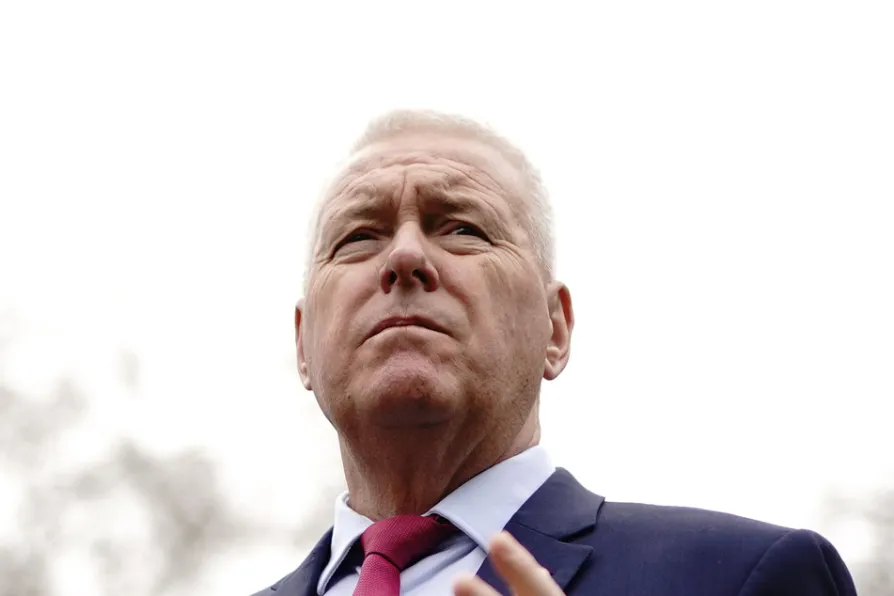
IAN LAVERY MP says an immediate focus on raising wages and reducing costs must be part of a strategy to show Labour can deliver for workers again


The NUT is rising to the academy challenge
In her second article for the Morning Star on the union’s strategy to energise and organise its lay activists, CHRISTINE BLOWER says new tactics put the future in the hands of ordinary NUT members
Friedrich Merz’s call for a new Plaza Accord ignores how Washington’s 1985 currency ambush destroyed Japan without fixing US deficits — China, a sovereign socialist state with 1.4 billion consumers, cannot be bullied the same way, writes CARLOS MARTINEZ
World Peace Council president PALLAB SENGUPTA assesses the challenges facing the international peace movement and sends greetings to the Liberation AGM
KIERA MARSHALL says there is a gulf between the privileged circles in which most politicians move and the lives of working-class youth in left-behind estates – and as a newly elected Senedd member she’s determined to do something about it
ANGUS REID and ANDREW JOHNSTONE report on an initiative that we must take this summer
At last weekend’s International Conference Against War, LINDA PENTZ GUNTER talks to the Palestinian physician and politician about the struggles ahead to achieve a truly free Palestine


Even for a profession buffeted by upheaval for several decades, the past four years have witnessed a profound acceleration in the speed of change for teachers.
As noted in the first article of this series the symptoms of the Global Education Reform Movement (Germ) are competition within and between schools, the notion of “consumer choice,” standardised testing and test-based accountability and consequential performance-related rewards. And these have encroached on and increasingly shaped the education system in England since the 1988 Education Reform Act.
But the more recent growth of academies is a useful way in which to demonstrate the increasing speed of change and the challenges this poses to teacher unions.

Similar stories

The new Employment Rights Act is a step forward, but restoring collective bargaining and union power remains essential to tackling insecurity, outsourcing and low pay, says PAUL WHITEHOUSE

As delegates meet in Brighton this week, Unison faces pressing questions about pay, organising, workers’ rights and political representation, explains ANDY CHAFFER

As Unison launches its Year of Women Workers, ANNIE COGAN-THOMAS argues that stronger organisation and collective bargaining are essential to winning equality
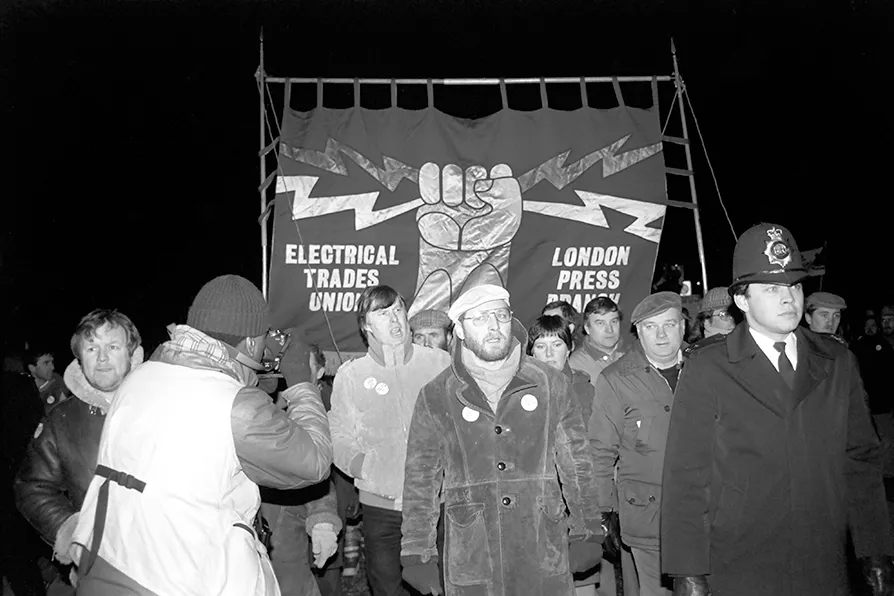
A past confrontation permanently shaped the methods the state will use to protect employers against any claims by their employees, writes MATT WRACK, but unions are readying to face the challenge