Once a source of national pride, Cuba’s healthcare system declines as energy shortages deepen crisis, writes ANDREA RODRIGUEZ


 Latest editorial
Policing by consent?
SOLOMON HUGHES believes Theresa May aims to weaken the Police Federation and is being wholy disingenuous in her spat with it

By making it simpler to support workers in struggle, Strike Map’s new Solidarity Fund aims to strengthen strikes when they need it most, write ROBERT POOLE and HENRY FOWLER
ANSELM ELDERGILL explains why the rule of law is fundamental to our liberty and welfare
Only an ambitious programme of state-led investment can restore growth and improve living standards, argues MICHAEL BURKE
Thousands of remarkable Britons left ordinary lives behind to join the struggle against Franco. Here is a snapshot of those who answered the call
The present drive to war is a cynical and deliberate diversion from deteriorating living standards, argues MATT KERR




THERESA MAY recently warned the Police Federation that “policing by consent” was at risk.
She told them that “recent revelations” about Hillsborough, police spies, Stephen Lawrence and so on put the “relationship between the public and the police” in danger.
The Home Secretary could be right. But it was a Tory government that pushed the Bobbies as far from “policing by consent” and towards being “Maggie Thatcher’s boot boys” as they could.

Similar stories
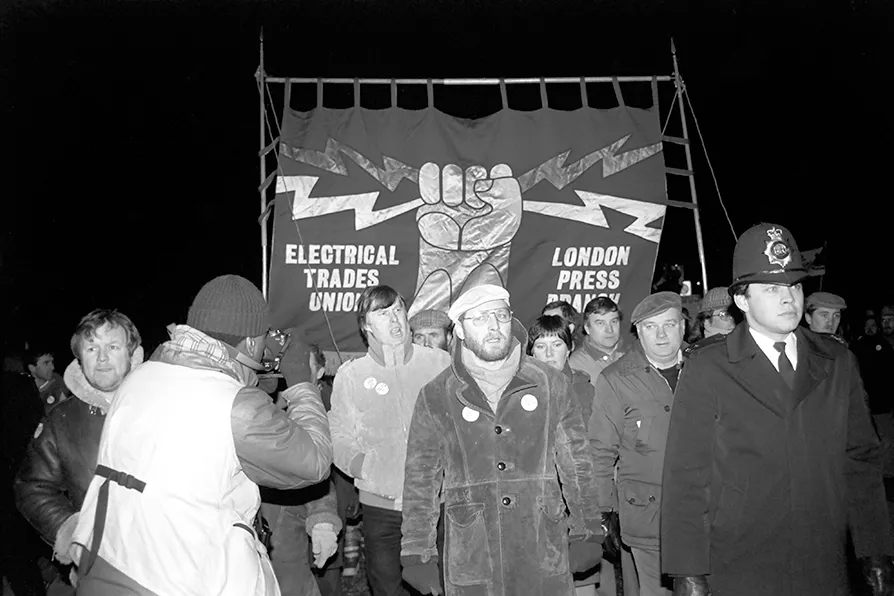
A past confrontation permanently shaped the methods the state will use to protect employers against any claims by their employees, writes MATT WRACK, but unions are readying to face the challenge
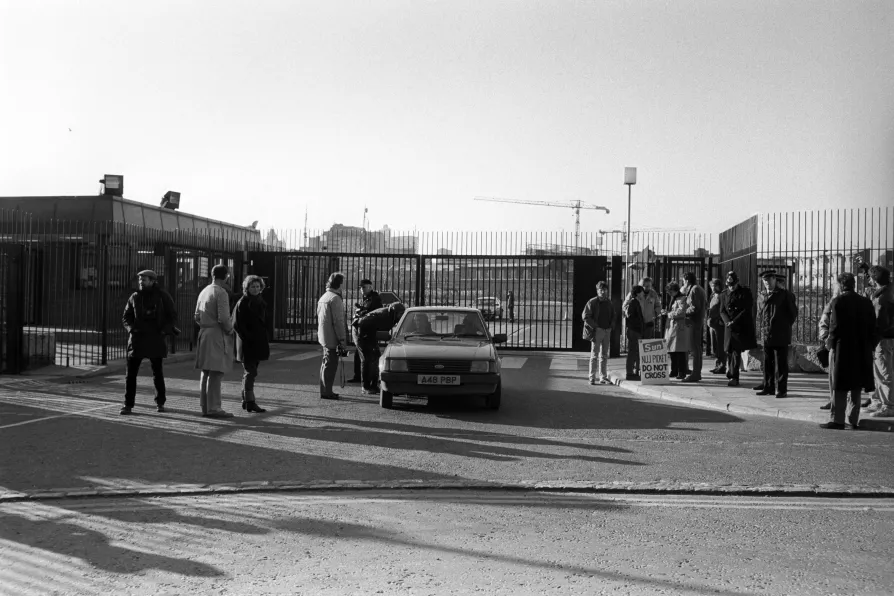
JOHN LANG recalls how Murdoch used scabbing electricians and even devised a fake newspaper to force a confrontation with printers – then sacked them all
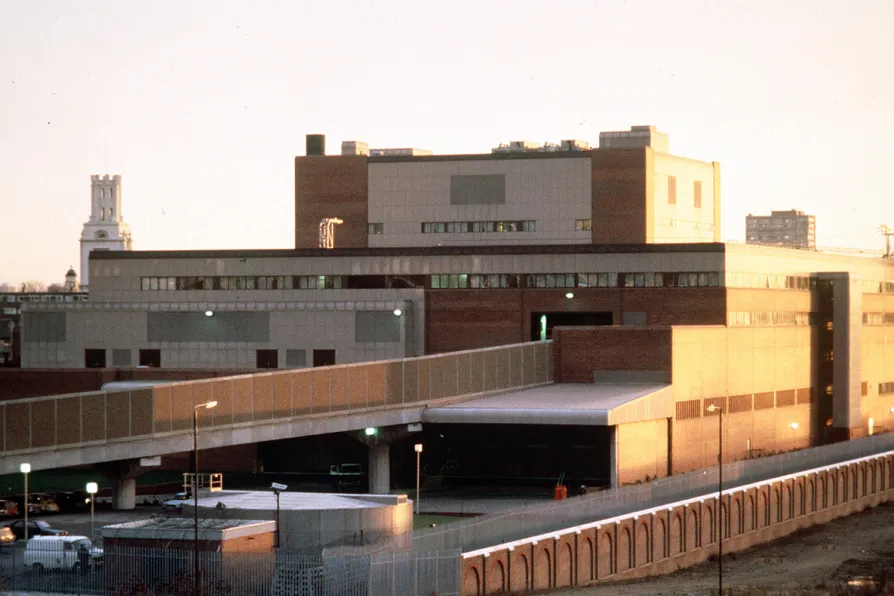
Forty years on, TONY DUBBINS revisits the Wapping dispute to argue that Murdoch’s real aim was union-busting – enabled by Thatcherite laws, police violence, compliant unions and a complicit media
![[Pic: Andrew Wiard]](https://www.morningstaronline.co.uk/sites/default/files/styles/desktop/public/2026-01/19860503_a_wiard_0002.jpg.webp?itok=w0tEojMk)
A handful of journalists at The Times faced a stark personal and political choice in 1986 – cross the picket lines for cash and career, or stand with organised labour at great personal risk. BARRIE CLEMENT recalls why refusing to scab at Wapping was not just an act of union loyalty, but a stand for the future of journalism