

 Latest editorial





UKRAINE’S new president’s decision to sign the economic clauses of an association agreement with the European Union means that Brussels has got its way — for now.
The abolition of tariffs and cancellation of public subsidies for industry — though car manufacturing has been given a 15-year reprieve — open up a large new market which, if the EU’s prior record on international trade is any guide, will soon be flooded with German goods and French agricultural produce at the expense of local enterprises.
“Free trade” in Ukraine is unlikely to improve either living standards or public services in the country.

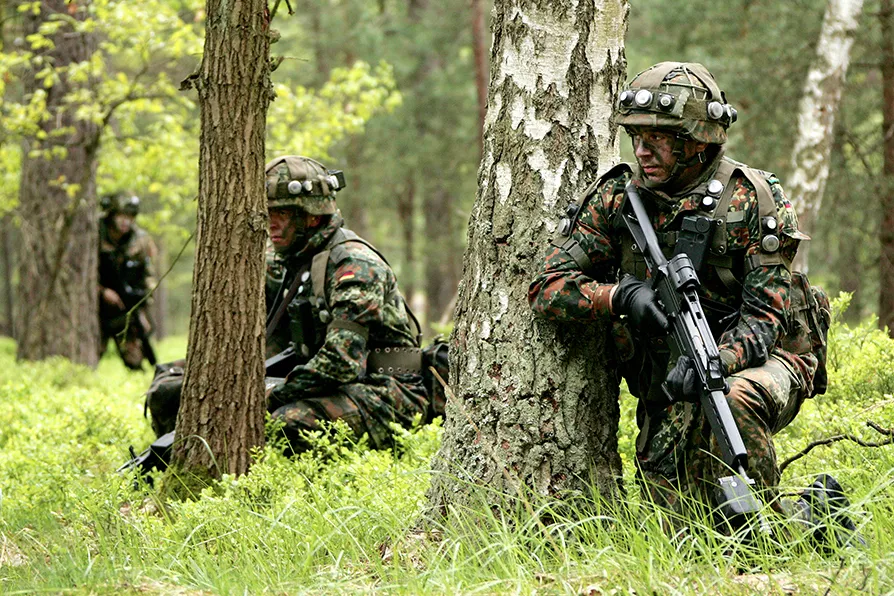
The federal government’s plans to finance the war in Ukraine with Russian assets, and a possible deployment of German troops, put the population in Germany in the highest danger, argues SEVIM DAGDELEN
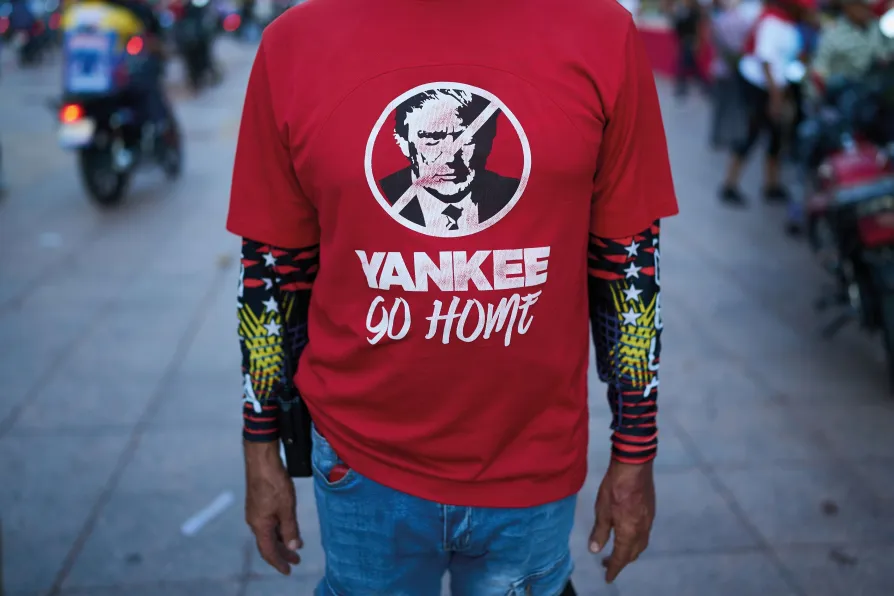
Western nations’ increasingly aggressive stance is not prompted by any increase in security threats against these countries — rather, it is caused by a desire to bring about regime changes against governments that pose a threat to the hegemony of imperialism, writes PRABHAT PATNAIK
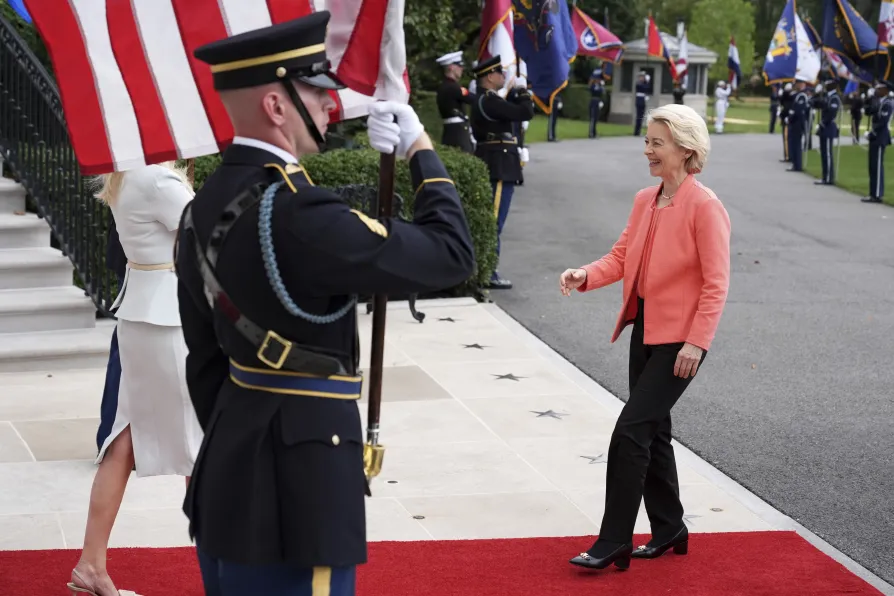
US tariffs have had Von der Leyen bowing in submission, while comments from the former European Central Bank leader call for more European political integration and less individual state sovereignty. All this adds up to more pain and austerity ahead, argues NICK WRIGHT
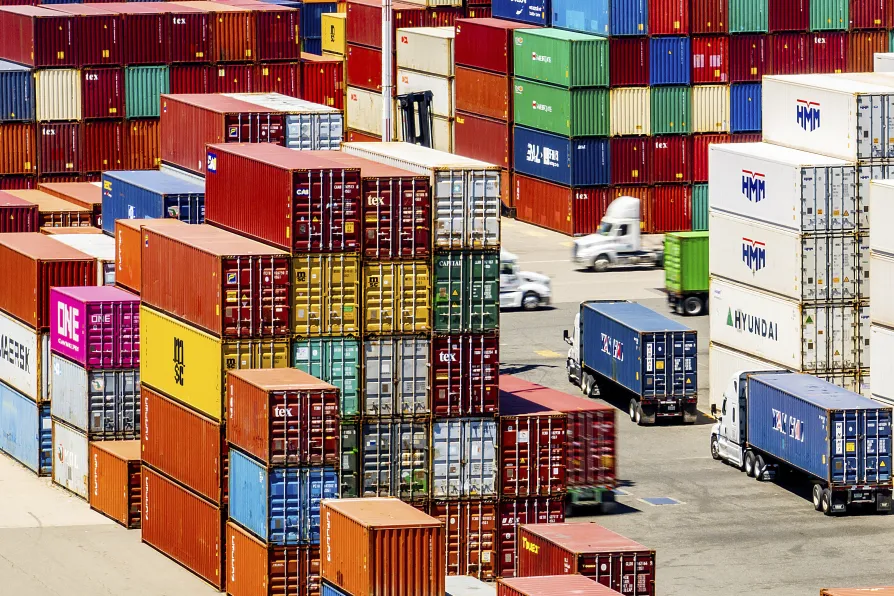
It’s the dramatic rise of China with its burgeoning economy that has put the Trump administration into a frenzy – with major implications both at home and abroad, argues MICHAEL BURKE