GORDON PARSONS appreciates fine performances and a feel for ambiguity, but misses the music of the dialogue


 Latest editorial
Amy Blakemore - To begin at the beginning:
Edited by JODY PORTER
DOUGLAS FIELD relishes the hard-boiled language, satire and humour of the third and last of the Harlem trilogy
STEPHANIE BROWN draws attention to the hidden labour of the female embroiderers, and how a 19th century replica made no such error
MIK SABIERS revels in a band that ploughs an idiosyncratic furrow of expletive laden, guitar-driven alt rock
ANDY HEDGECOCK, MARIA DUARTE and ANGUS REID review Synthetic Sincerity, Our Hero, Balthazar, Heartstopper Forever, and A Year In London
The bard invites readers to a gig, raps for Clacton, and lays out the Burnham-Hurzeler conundrum
RON JACOBS recommends an important book that enhances the oppositional theories put forth by Fanon and, in doing so, remakes psychology itself



To begin at the beginning:
‘My problem is that when people say the word 'Please' I find it difficult to resist. Just like when I'm in Tesco and pushing that trolley and I'm looking at the butter — Flora or Utterly Butterly — and I'm blocking the way. They say 'Please can you move' and I move.’ – Michael Adebolajo
the school bred up bit-players
see their faces bathed in hydroponic glow – children of the silence
within the South Circular
imagine sparrows peeping cautious murder the nocturnal charm
of blue-black hydrangea and the sudden inexplicable scream
the people who are and who are not like you
ever the vanity of small differences and knee-socks and religious school –
lower than Letwin or Platell as unable to identify a Hawksmoor but not all bad
no not by nature – they hate but no more than we all do
disaffection
is an interesting word, implying loveless and wraps
of speed and the babies born in Lewisham Hospital have it
like a birthmark or psychosis resulting from years of skunk abuse
twenty-two years old and the product of south east London’s
loving lower middle class

Similar stories
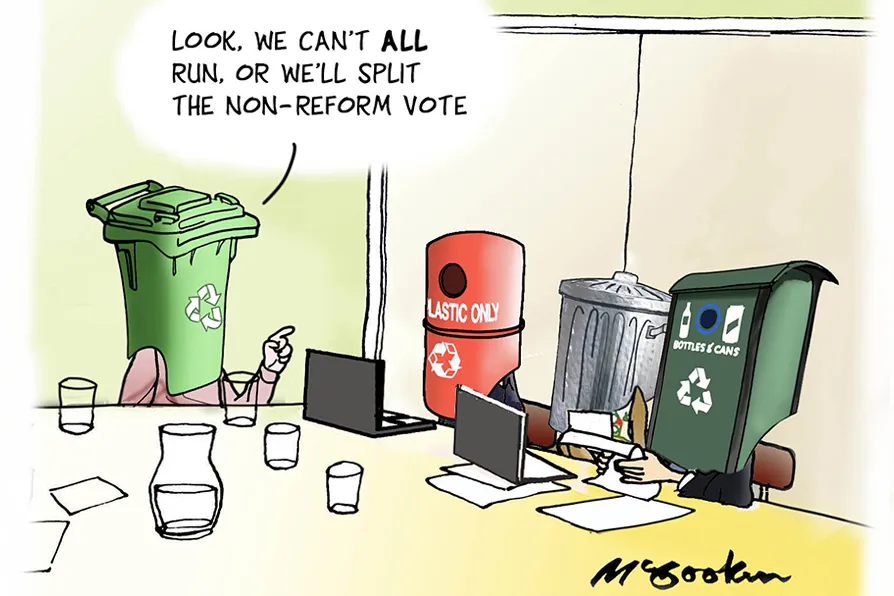
The bard invites readers to a gig, raps for Clacton, and lays out the Burnham-Hurzeler conundrum
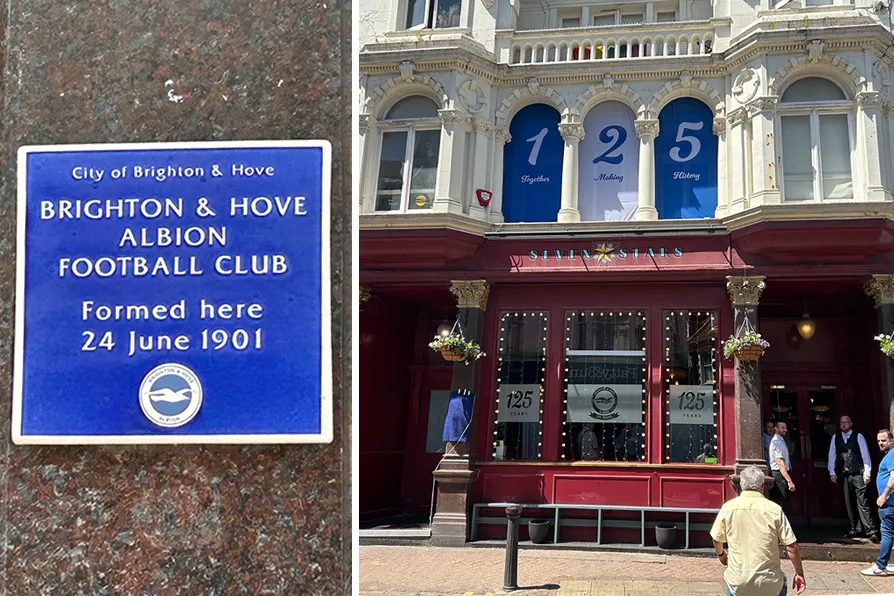
In verse and polemic, the bard points out that he is a poet and musician, not a political party
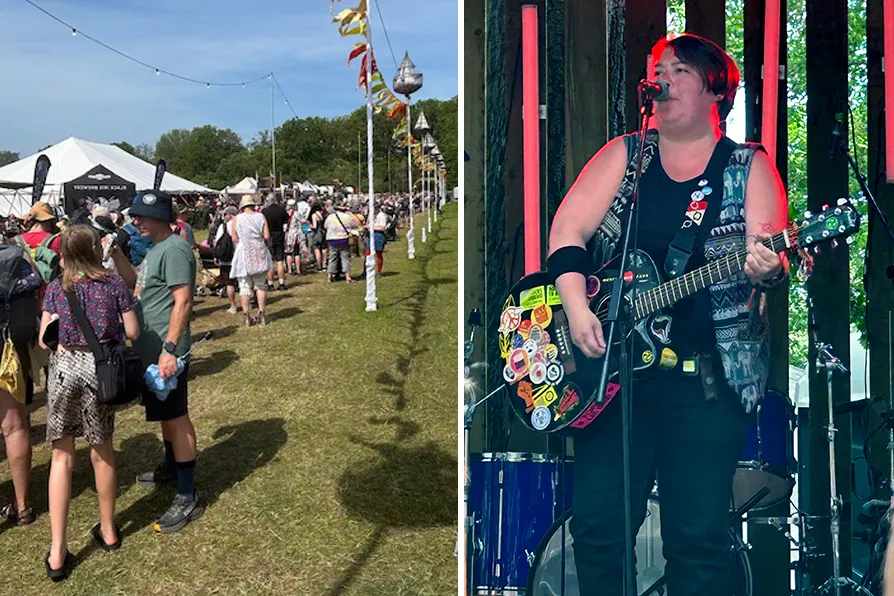
The Bard does Bearded Theory, and lodges a complaint about bandnames
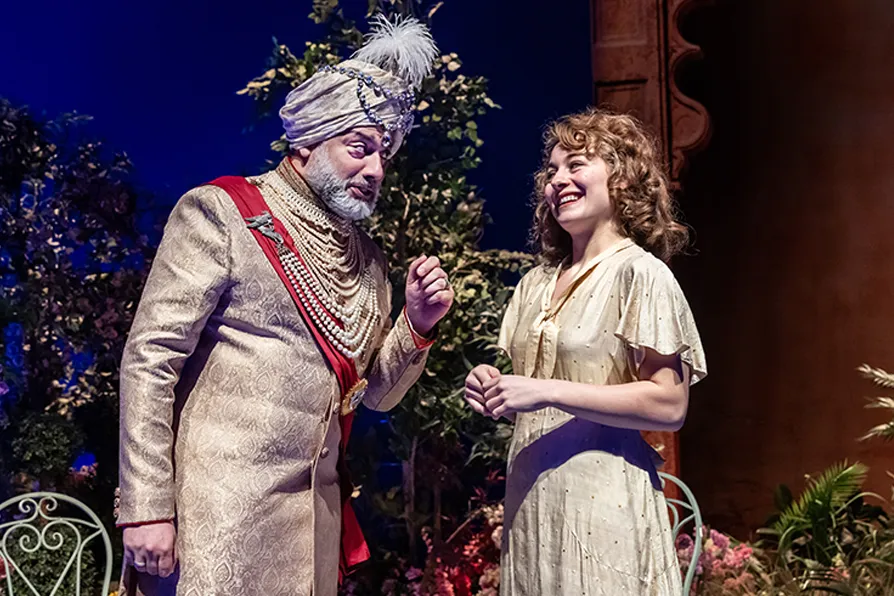
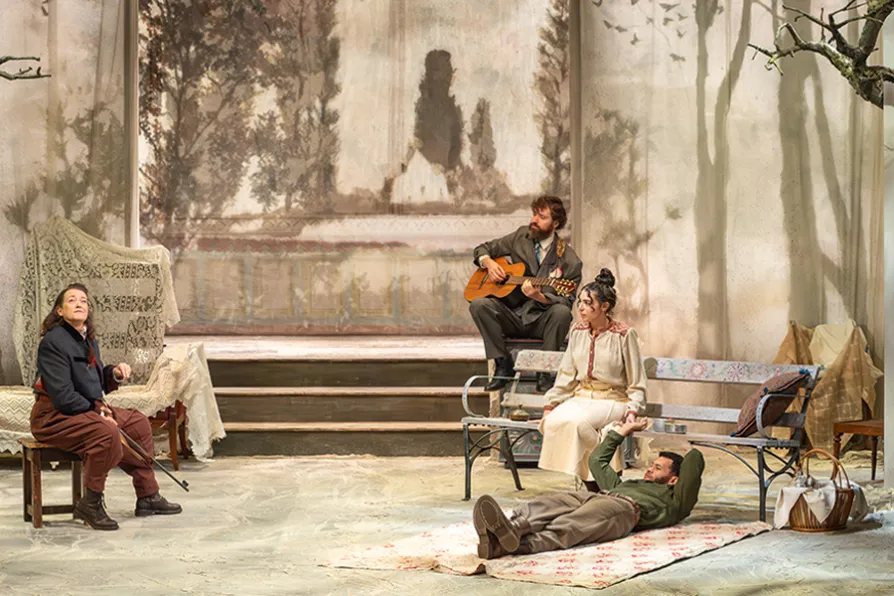
Although this production was in rehearsal before the playwright’s death, it allows us to pay homage to his life, suggests MARY CONWAY