South African unions stage huge marches against road tolls
Cosatu warns that new charges will hit poorest citizens

South Africans marched across the country in support of a trade union campaign against electronic tolling on motorways and privatising roads.

Cosatu supporters flocked to marches in Mpumalanga, Limpopo and Gauteng provinces yesterday in the climax of a three-day campaign against the tolls.

The union federation has launched a drive-slow campaign against the e-tolling.

The 95th Anniversary Appeal
Support the Morning Star
You have reached the free limit.
Subscribe to continue reading.
Similar stories
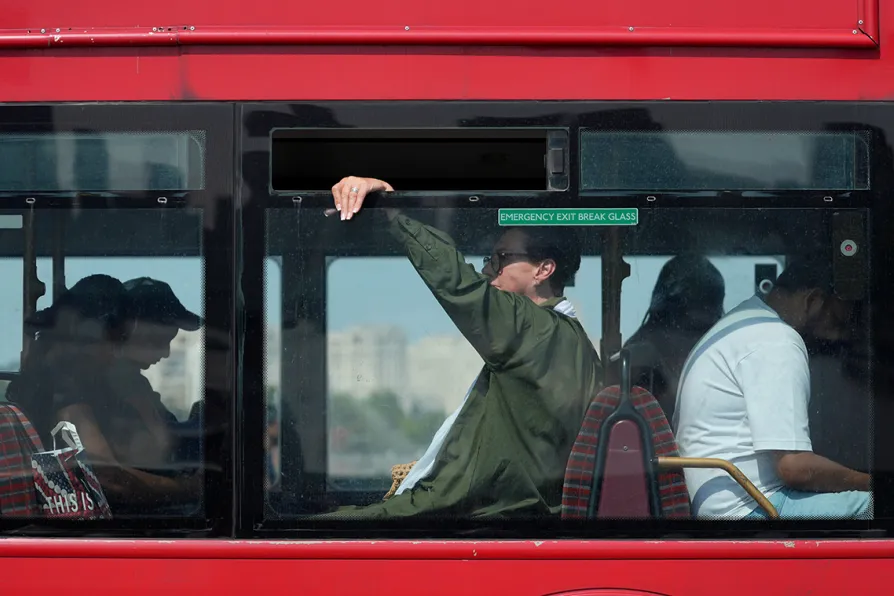
A passenger holds their hand up to an open window as they attempt to cool down, while traveling on a bus crossing Westminster Bridge in central London, August 11, 2025
Transport / 14 August 2025
14 August 2025
first
Book Review / 11 July 2025
11 July 2025

SALEEM BADAT and VASU REDDY introduce a new book about an outstanding interpreter of the world, and an activist scholar committed to changing society
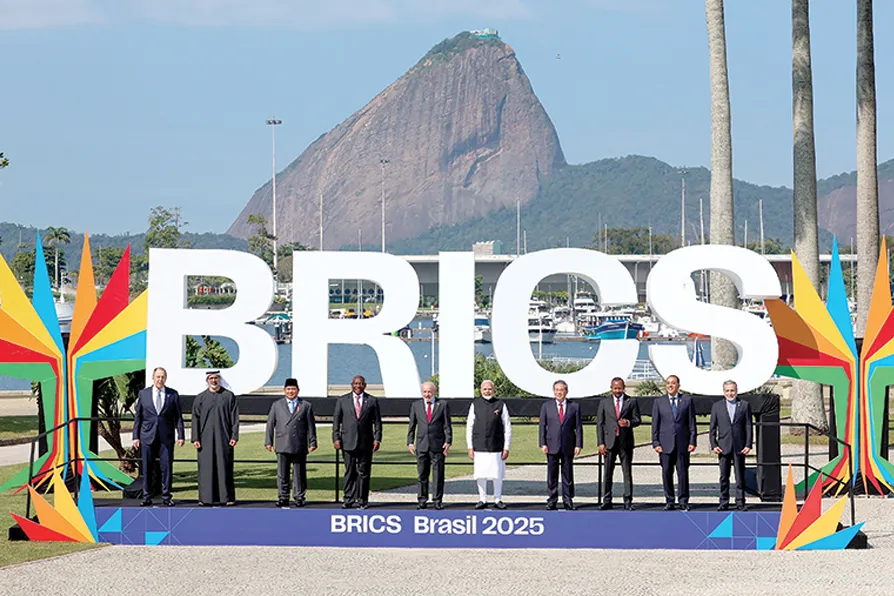
OPPORTUNITY BECKONS: BRICS member states family photograph - In the shadow of the Sugarloaf Mountain - during the 17th BRICS Summit in Rio de Janeiro, Brazil on July 6 2025. (L to R) Foreign Minister of Russia Sergey Lavrov, Crown Prince of UAE Khaled bin Mohamed Al Nahyan, President of Indonesia Prabowo Subianto, President of South Africa Cyril Ramaphosa, President of Brazil Luiz Inácio Lula da Silva, Prime Minister of India Narendra Modi, Premier of China Li Qiang, Prime Minister of Ethiopia Abiy Ahmed, P
The Future / 11 July 2025
11 July 2025

ROGER McKENZIE expounds on the motivation that drove him to write a book that anticipates a dawn of a new, fully liberated Africa – the land of his ancestors

HISTORIC DREAM UNFULFILLED: The Freedom Charter seen here written on the wall of a cell in the Palace of Justice in Pretoria during the 1964 Rivonia Trial, where Nelson Mandela was sentenced to life imprisonment. Photo: Creative Commons — PHParsons
Features / 7 July 2025
7 July 2025

The charter emerged from a profoundly democratic process where people across South Africa answered ‘What kind of country do we want?’ — but imperial backlash and neoliberal compromise deferred its deepest transformations, argues RONNIE KASRILS