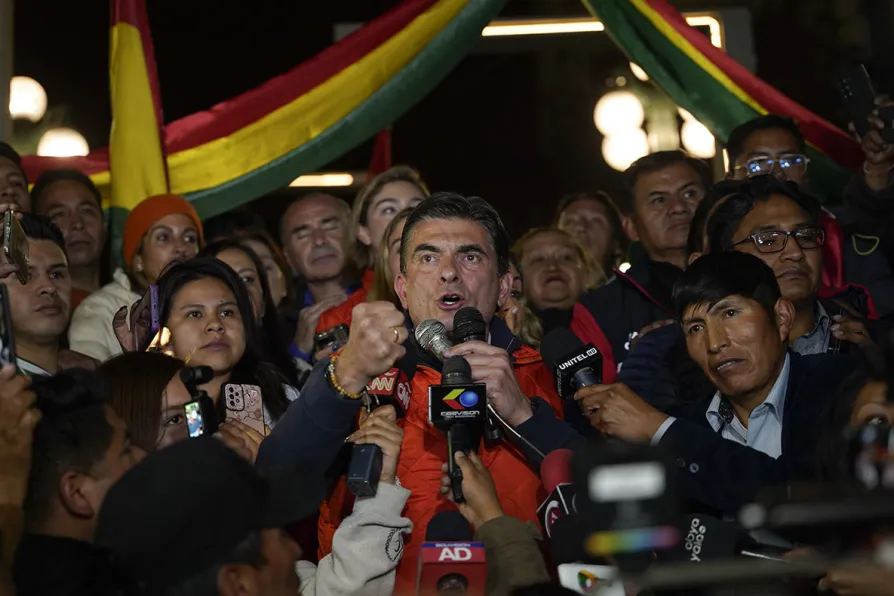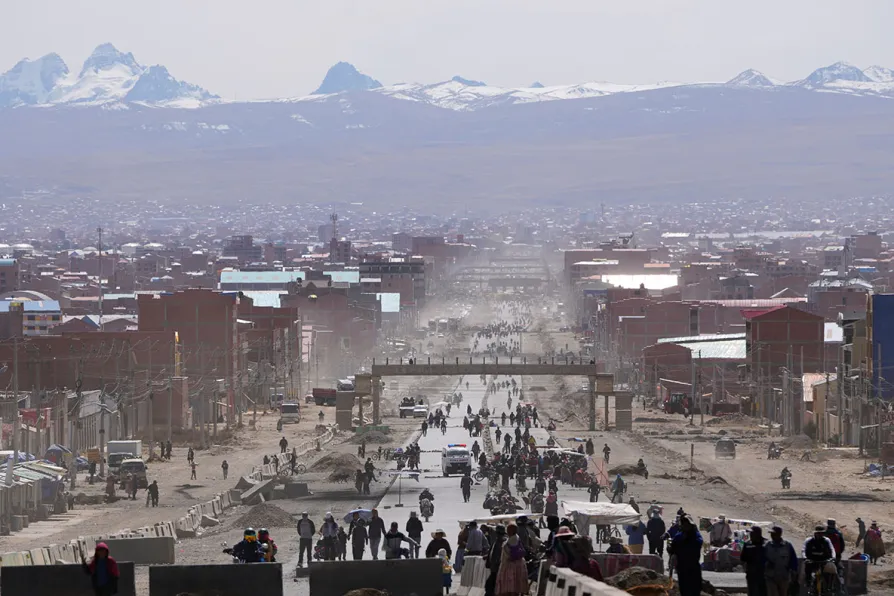
 Residents walk on a highway after President Rodrigo Paz declared a state of emergency to empower the military to remove road blockades, in El Alto, Bolivia, June 20, 2026
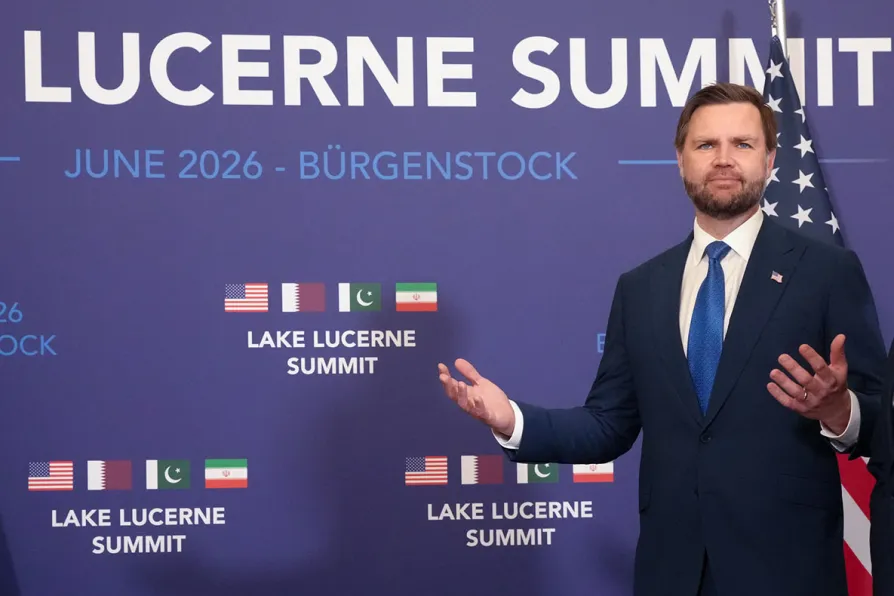
Meanwhile, Poland strips Zelensky of its highest honour over naming of military unit after WWII far-right paramilitaries



PRESIDENT Rodrigo Paz declared a state of emergency at the weekend, giving the military power to crack down on the road blockades that have put a stranglehold on fuel and food supplies in Bolivia’s major cities.
A wave of protests over the last five weeks has demanded Mr Paz resign over his austerity measures, including the cancellation of fuel subsidies, and other issues.
Riot police have clashed with the protesters, leading to at least 365 arrests and 37 injuries, according to authorities.
At least 17 people have died, most of them linked to a lack of medical care caused by transportation disruptions, according to Bolivia’s ombudsman’s office.
Barricades erected on key roads have effectively isolated the city of La Paz, triggering fuel and food shortages, paralysing transport and preventing patients from reaching hospitals — causing at least seven deaths for lack of medical attention, the government says.
“This is not a state of emergency to restrict people’s lives. It is a state of emergency to give people back their freedom,” the president claimed in a televised address.
As businesses closed over the course of the protests, supermarket shelves emptied and hospitals ran out of oxygen.
On Friday night, Mr Paz signed an agreement with one of the labour unions, whose leaders called for the blockades to be lifted. But other protesters have demanded that Mr Paz resign.
The president said that the state of emergency is intended to guarantee fuel supplies, which have become increasingly scarce as roadblocks have left fuel lorries stranded.
The decree prohibits “blocking streets, avenues, roads and highways in ways that affect transportation and supplies,” and orders the armed forces to temporarily support the police “in restoring order, reopening roads and protecting the population.”
The state of emergency doesn’t limit due process rights or constitutional guarantees and allows people to continue their daily activities, according to the decree.
The state of emergency will last 90 days, but could be lifted earlier if “violence and threats against the population come to an end,” the government said in a statement.
The US’s so-called Secretary of War, Pete Hegseth, has denounced the protests as “attempts to overthrow the legitimate government,” and issued a stark warning to those who he said were “profiting on death and destruction in our hemisphere.”
“The United States is watching,” he wrote on X.

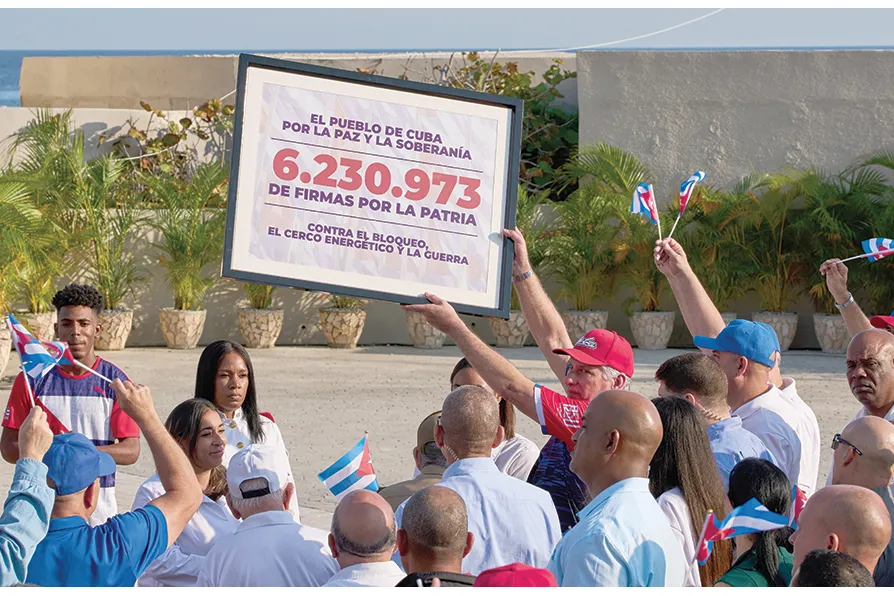
ADRIAN WEIR charts the intercontinental trade union solidarity with Cuba and its desperate predicament
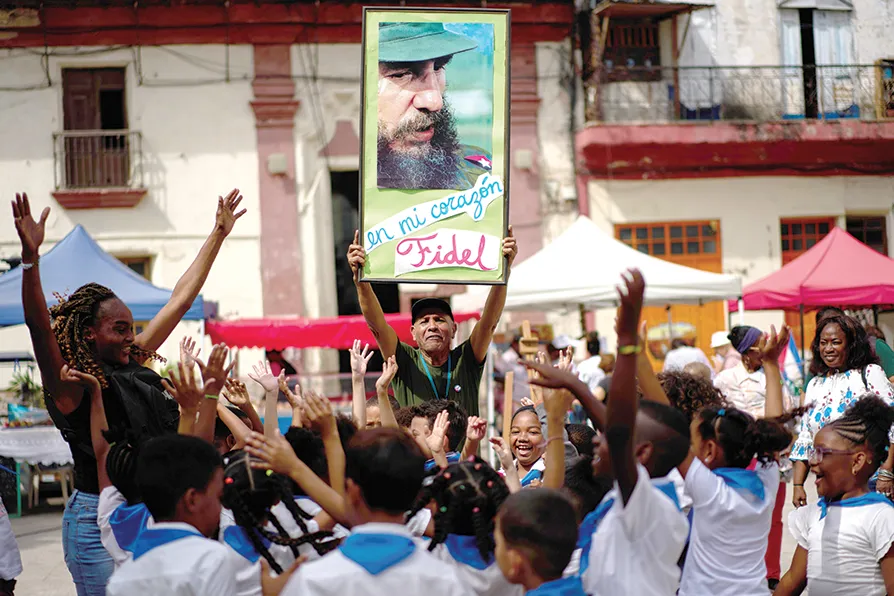
As the US intensifies its economic and political pressure it is now vitally important to demand the British government intervene to end US aggression, writes GEOFF BOTTOMS
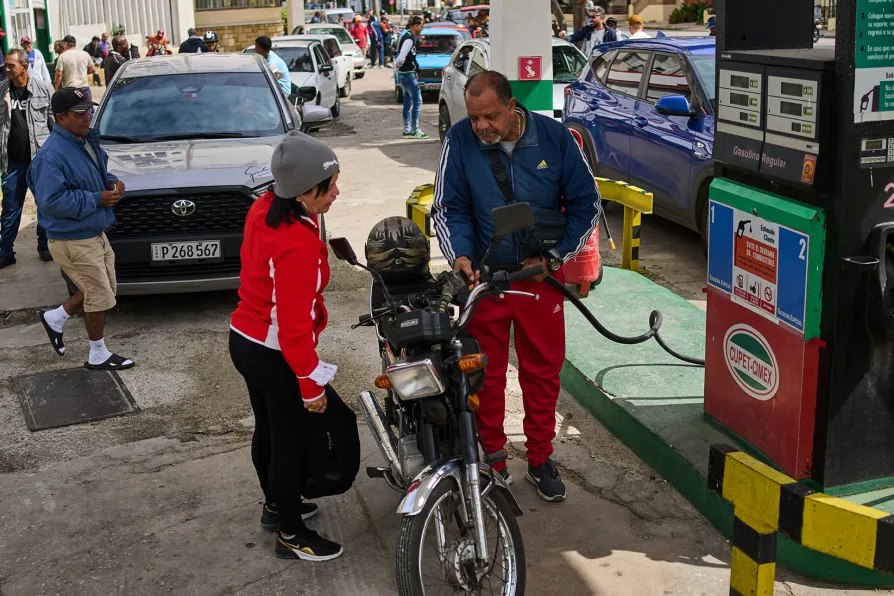
On January 29, US President Donald Trump declared Cuba an ‘unusual and extraordinary threat’ to US national security and tightened the blockade against the island nation MANOLO DE LOS SANTOS reports