Ron's rages are sincere and — according to his wife — healthily cathartic. But can these splenetic outbursts loosen the grip of capitalism at its most monstrous?


‘Art is about subverting what we think we know’
Paul Simon talks to award-winning writer, thinker and publisher MARTIN GOODMAN about what's inspired his new novel and current trends in left-wing literature
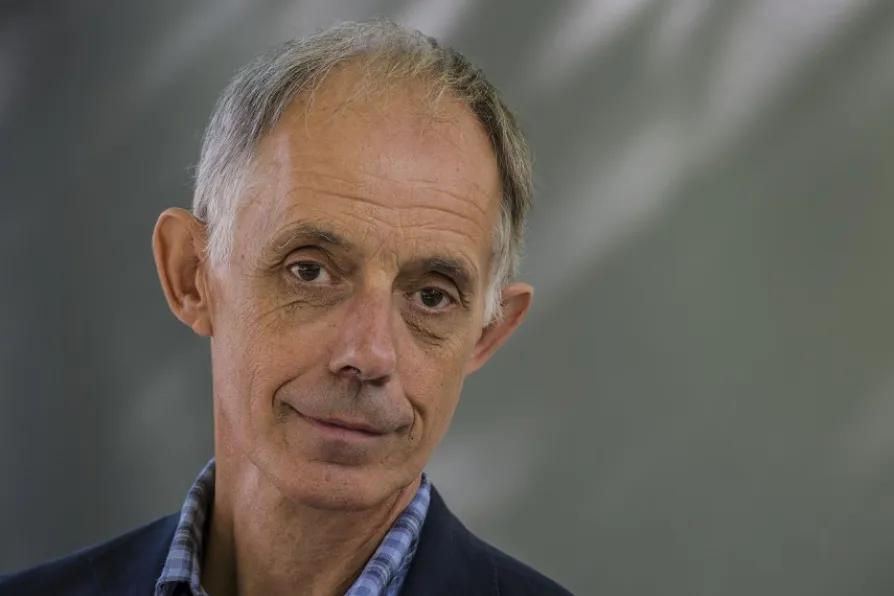
 Creature of narrative: Martin Goodman
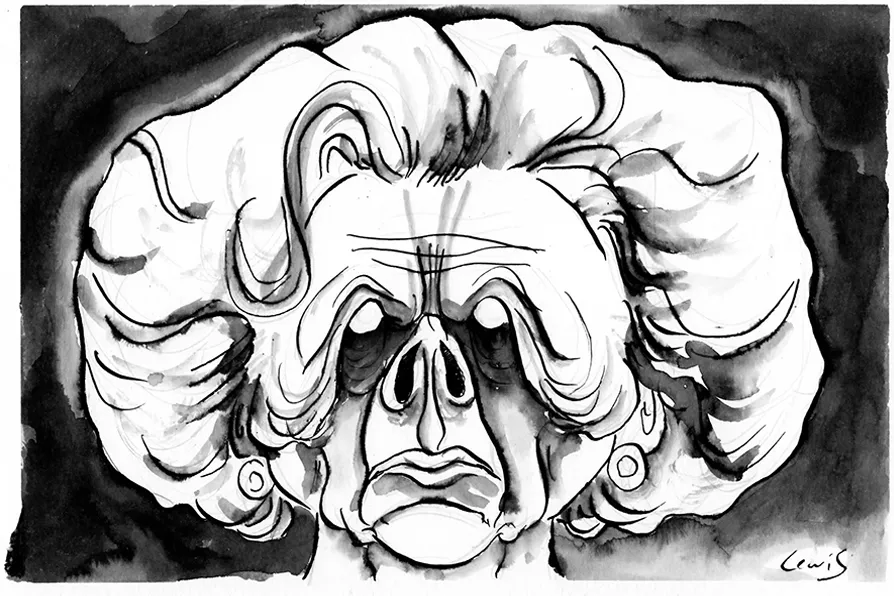
ANGUS REID considers the power of the podcast as a vehicle for consensus building in opposition to mainstream media narratives
GLENN FOSBRAEY recommends a biography worth reading for both existing George Michael fans and those yet to be converted
FRANCIS DEVINE introduces a new collection of essays that draws on Pease McKenna’s example to indicate future paths for the movement
KEVIN DONNELLY and MARIA DUARTE review Shoot the People, The Last One For The Road, Rosebush Pruning, and Moana
JAMES WALSH recommends an exceptional documentary about the experience of Western doctors in Gaza




Your latest novel JSS Bach is about the generational implications of the Holocaust and garnered praise from the Morning Star as “a masterful, wonderful novel.” How did you come about writing it and what did you draw on?
The basic idea slammed into me while walking in the mountains. In a bid to keep close to historical record, most literary references were non-fiction, mounds of history and memoirs from Ruth Kluger. Laurent Binet’s HHhH touched it a little and other references were derived from site visits – Dachau, a week in Auschwitz, walking through Terezin. WG Sebald shows how you have to walk your way through history.
The novel is the story of of three generations of women living through the horrors of 20th-century German history. In it, a Jewish family is linked to a nazi adjutant at Dachau concentration camp through a shared love of music. How challenging was it to write “another” account of the Holocaust? What were you keen to do differently or avoid?

Similar stories
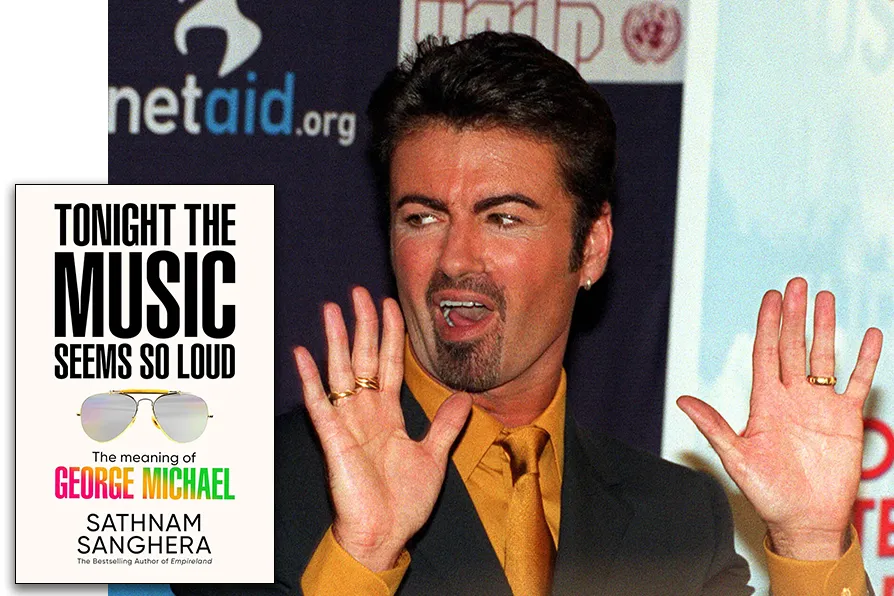
GLENN FOSBRAEY recommends a biography worth reading for both existing George Michael fans and those yet to be converted
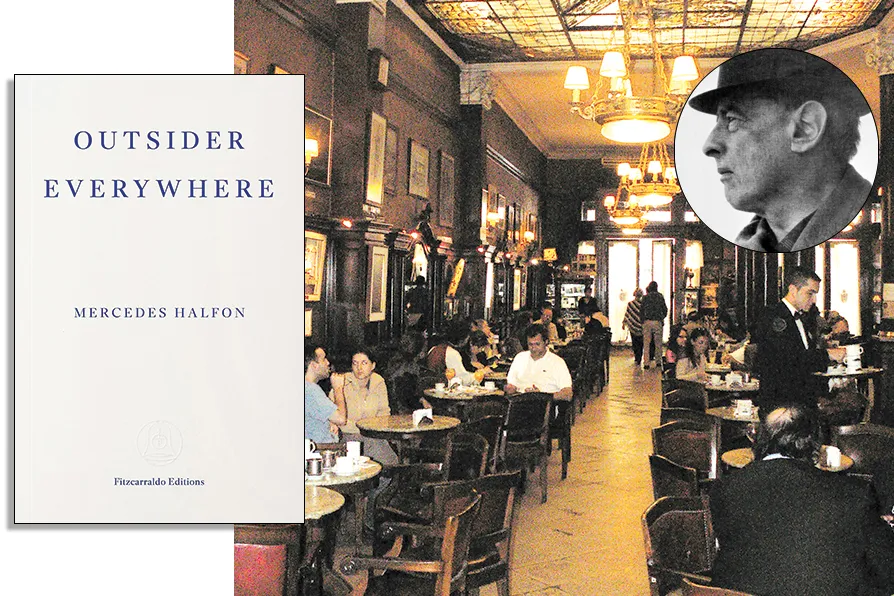
CHRIS MOSS joins the hunt in Argentina for the works of Poland’s most enigmatic exile
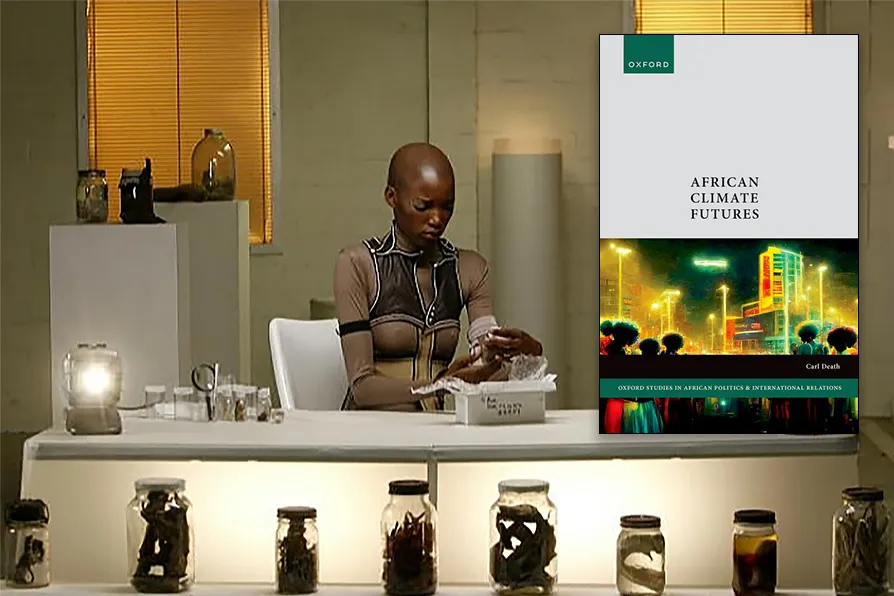
CARL DEATH introduces a new book which explores how African science fiction is addressing climate change
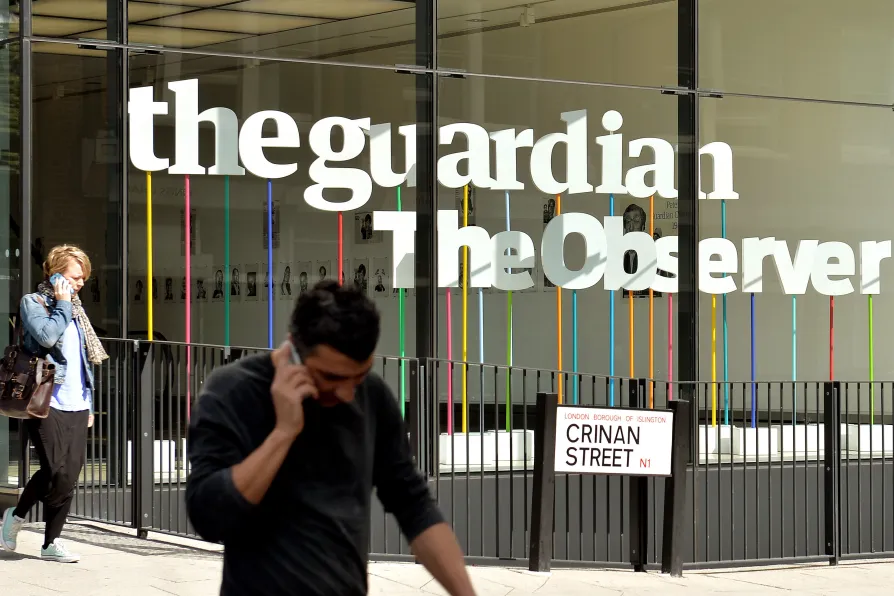
At the very moment Britain faces poverty, housing and climate crises requiring radical solutions, the liberal press promotes ideologically narrow books while marginalising authors who offer the most accurate understanding of change, writes IAN SINCLAIR