Ron's rages are sincere and — according to his wife — healthily cathartic. But can these splenetic outbursts loosen the grip of capitalism at its most monstrous?


Artisan rural working-class Messiah
PAUL SIMON applauds a daring, if sketchy, work that bridges the divide between Marxists and people of faith
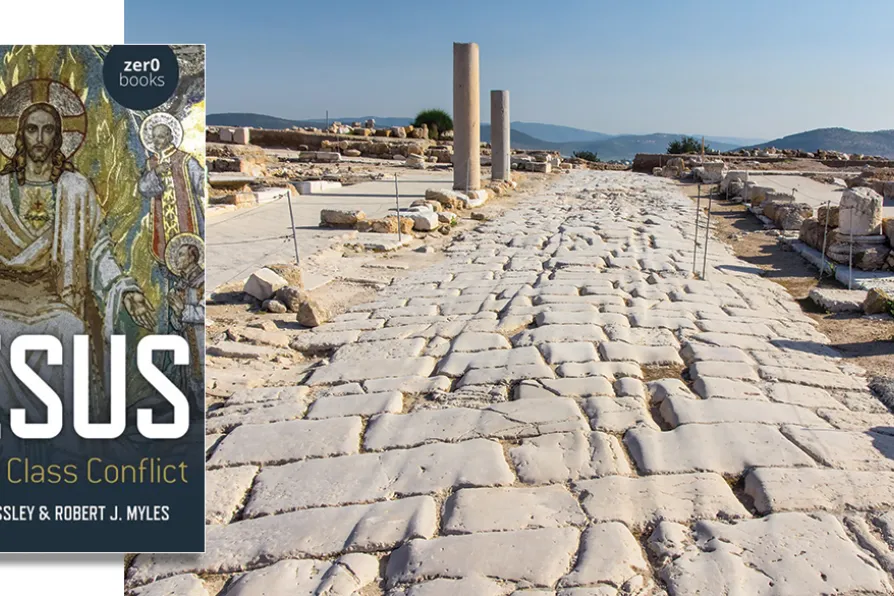
 CLASS CONFLICT: Herodian massive building schemes at Sepphoris, above, and Tiberias caused widespread economic dislocations and displacements (ethnic cleansing?). Jesus, described as tekton/builder - not a carpenter - might have worked at Sepphoris which was only five kilometers from Nazareth
[Oren Rozen/CC]
CLASS CONFLICT: Herodian massive building schemes at Sepphoris, above, and Tiberias caused widespread economic dislocations and displacements (ethnic cleansing?). Jesus, described as tekton/builder - not a carpenter - might have worked at Sepphoris which was only five kilometers from Nazareth
[Oren Rozen/CC]
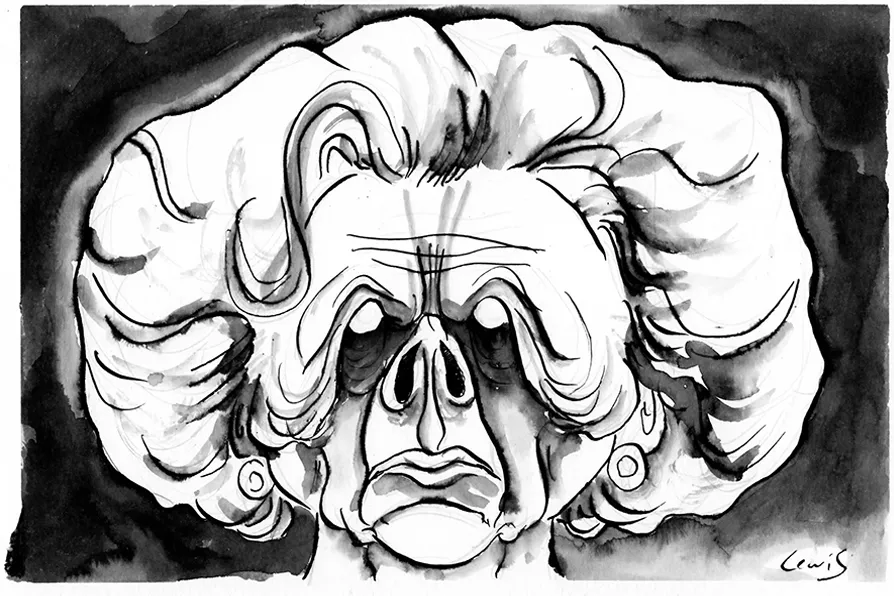
ANGUS REID considers the power of the podcast as a vehicle for consensus building in opposition to mainstream media narratives
GLENN FOSBRAEY recommends a biography worth reading for both existing George Michael fans and those yet to be converted
FRANCIS DEVINE introduces a new collection of essays that draws on Pease McKenna’s example to indicate future paths for the movement
KEVIN DONNELLY and MARIA DUARTE review Shoot the People, The Last One For The Road, Rosebush Pruning, and Moana
JAMES WALSH recommends an exceptional documentary about the experience of Western doctors in Gaza


Jesus: A Life in Class Conflict,
by James Crossley and Robert J Myles, Zer0 Books, £19.99
JESUS: A Life in Class Conflict provides an important refocusing and reprioritising of earlier Scriptural studies as seen through the lens of historical materialist analysis.
Although containing little original research, authors James Crossley and Robert J Myles have painstakingly examined many of the mainstream interpretations of the life, teachings and execution of Jesus.
They have found most to be wanting, if not serious distortions predicated upon the writers’ own contemporary class interests, including revered Biblical scholars such as EP Sanders.

Similar stories
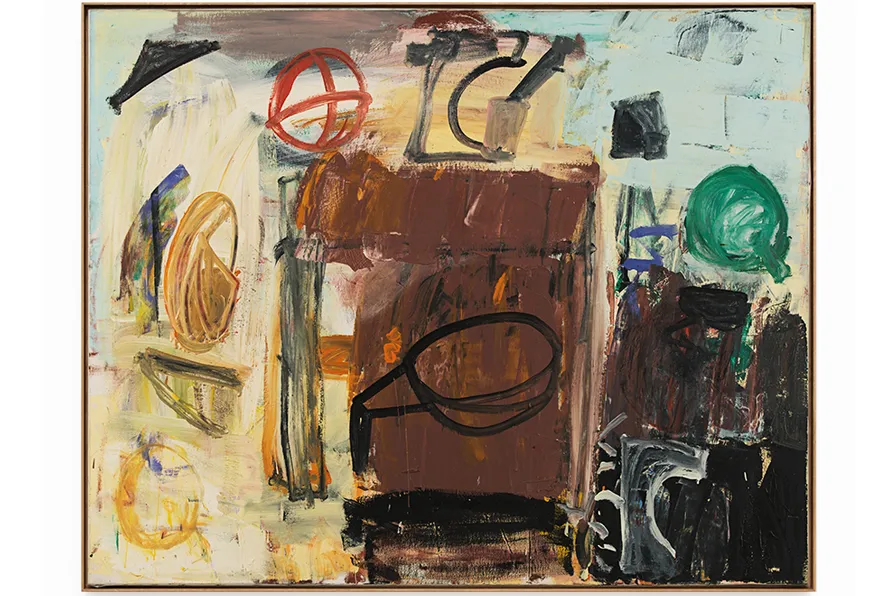
MIRANDA RICHMOND relishes the gloriously liberated art of Roy Oxlade, and traces his method back to the thinking of David Bomberg, his acknowledged teacher
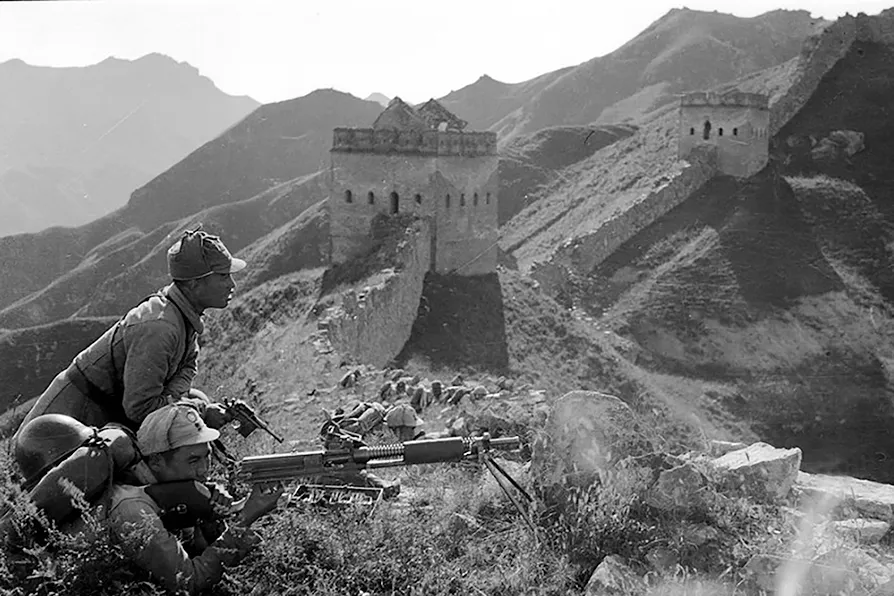
In Part 4 of her look at the Chinese revolution JENNY CLEGG addresses the relationship between the Peasant Movement and the National Movement
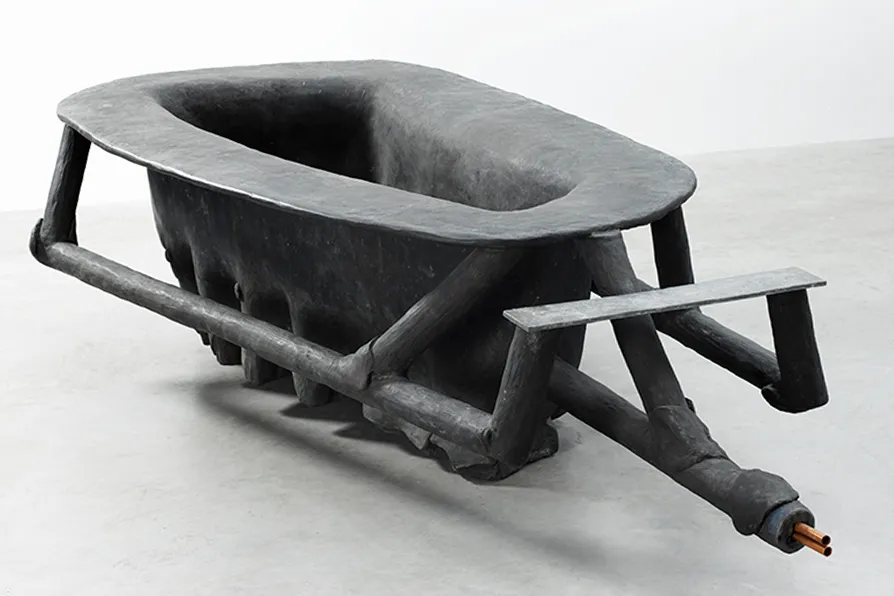
JAN WOOLF ponders the works and contested reputation of the West German sculptor and provocateur, who believed that everybody is potentially an artist
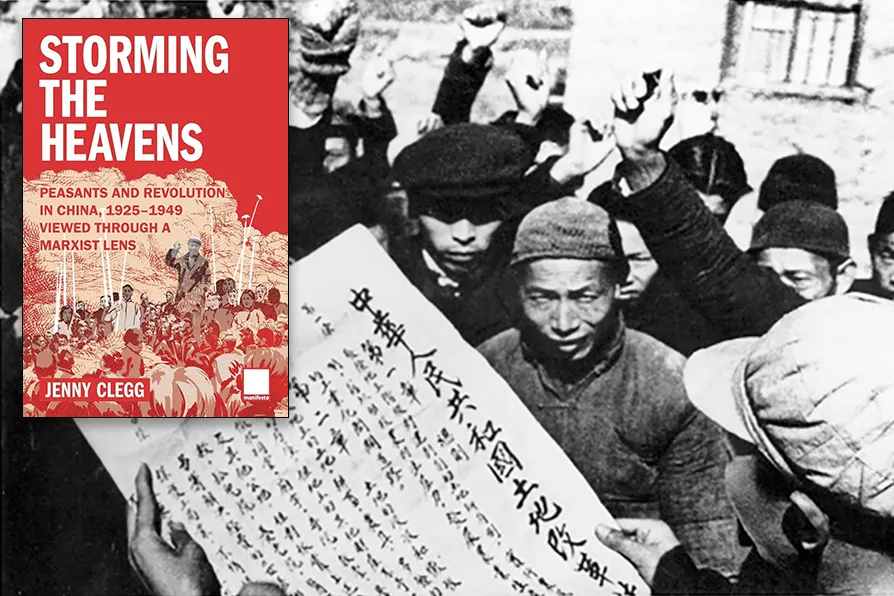
BEN CHACKO welcomes a masterful analysis that puts class struggle back at the heart of our understanding of China’s revolution