DOUGLAS FIELD relishes the hard-boiled language, satire and humour of the third and last of the Harlem trilogy


 Latest editorial
Chamberlain and the rewriting of history
JOHN GREEN takes issue with critics’ praise for a biopic that glosses over facts to paint a fake and revisionist picture
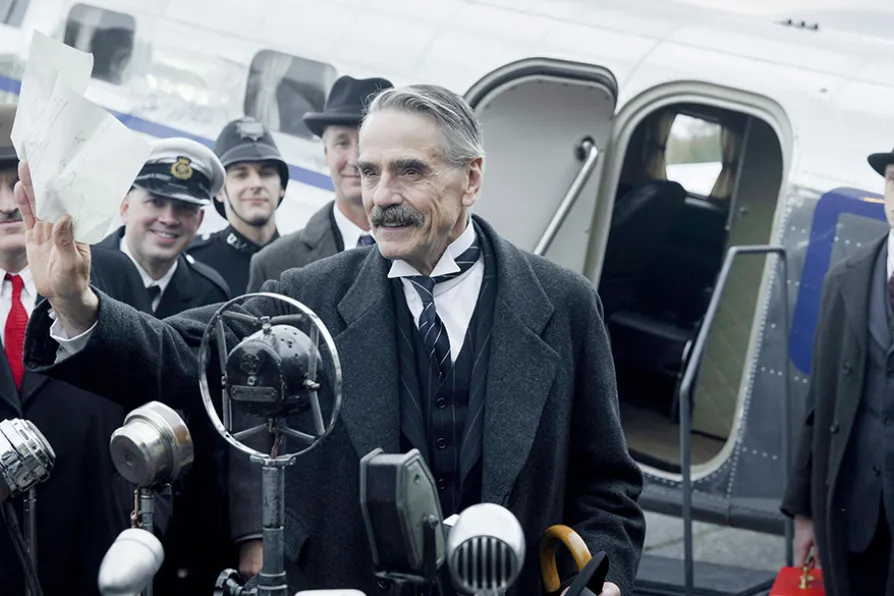 Jeremy Irons as Neville Chamberlain
[IMDb]
Jeremy Irons as Neville Chamberlain
[IMDb]
STEPHANIE BROWN draws attention to the hidden labour of the female embroiderers, and how a 19th century replica made no such error
MIK SABIERS revels in a band that ploughs an idiosyncratic furrow of expletive laden, guitar-driven alt rock
ANDY HEDGECOCK, MARIA DUARTE and ANGUS REID review Synthetic Sincerity, Our Hero, Balthazar, Heartstopper Forever, and A Year In London
The bard invites readers to a gig, raps for Clacton, and lays out the Burnham-Hurzeler conundrum
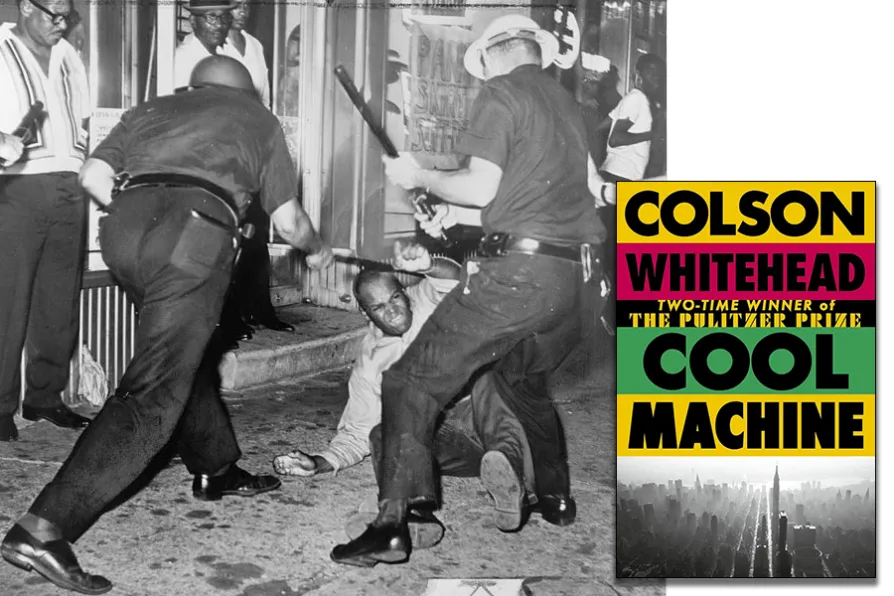
RON JACOBS recommends an important book that enhances the oppositional theories put forth by Fanon and, in doing so, remakes psychology itself


THE film critics of the mainstream media, and surprisingly also of the Morning Star, have all uncritically lavished praise on the new biopic of Neville Chamberlain: Munich the Edge of War.
Of course, filmmakers, just as writers and other artists should be free to interpret history as they see fit, but we should recognise that in the world of globalised media such depictions can and do often replace a more objective and dispassionate handling of history; fake news can easily become historical truth.
Many people don’t read weighty historical tomes but rely on films such as this for their historical knowledge. In addition, authors of fiction films dealing with important historical events, irrespective of how well made they may be or how brilliant the actors are, have a moral responsibility to stick closely to the truth and not play fast and loose with the facts.

Similar stories
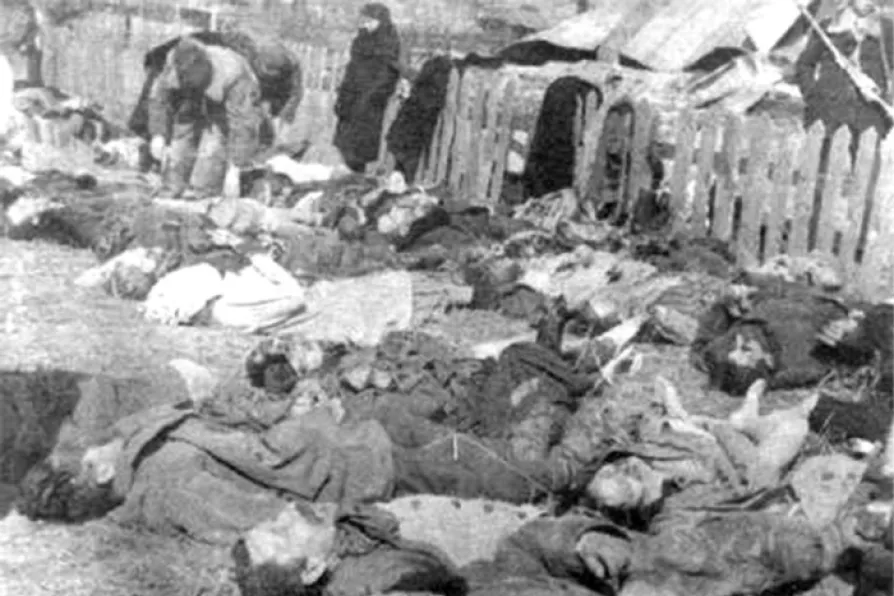
Poland’s anger over Ukraine’s celebration of the Nazi collaborationist UPA reflects more than historical grievance, says KENNY COYLE
![Richard Baxell speaking at the Marx Memorial Library in London [Pic: Karl Weiss]](https://www.morningstaronline.co.uk/sites/default/files/styles/desktop/public/2026-07/RichardBaxell22Jul23.jpeg.webp?itok=HCh8iPRb)
Driven by anti-fascism and anger at Britain’s policy of non-intervention, thousands volunteered to fight in the Spanish civil war. Historian RICHARD BAXELL reflects on their sacrifices and enduring significance
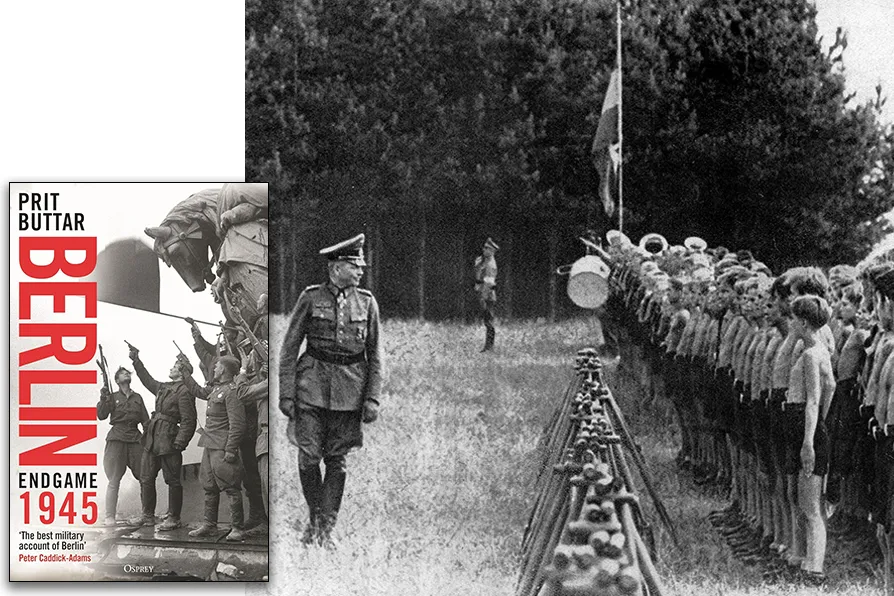
WILL PODMORE admires an account of the liberation of Berlin that overthrows the conventional US army-inspired account
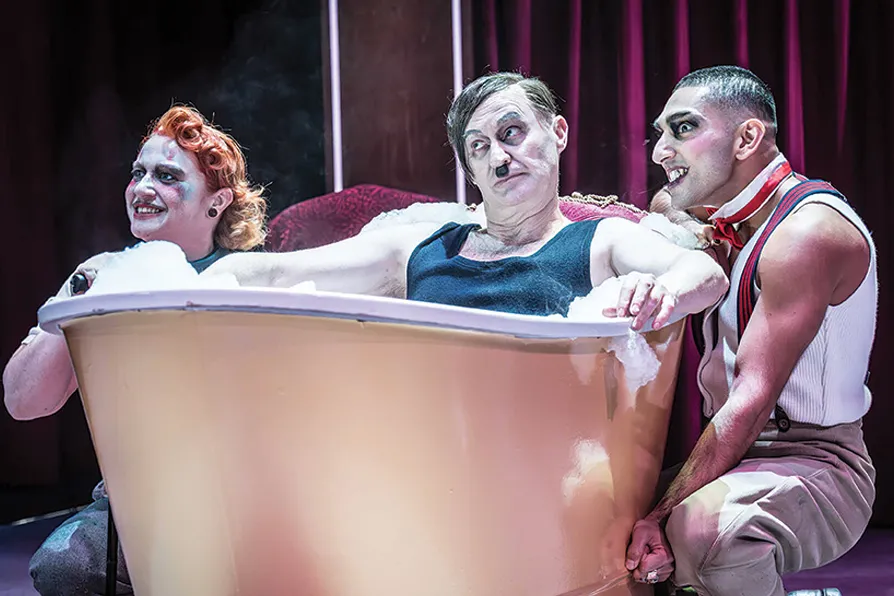
GORDON PARSONS salutes the apt return of Brecht’s vaudevillian cartoon drama that retains the vitality of the boxing or the circus ring