

 Latest editorial
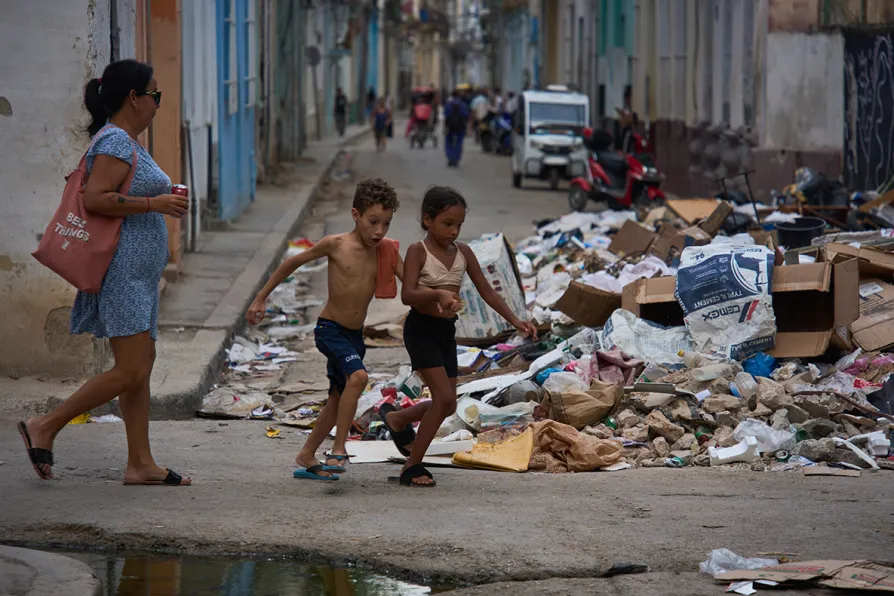 Children run past a pile of trash accumulated on a street during a blackout in Havana, Cuba, July 6, 2026


AN NATIONWIDE blackout hit Cuba on Monday as the country’s fuel reserves dwindle and its electric grid continues to crumble.
The blackout in the country of nearly 10 million people was reported by the state-run Electric Union, which said on social media that the cause is under investigation.
The Ministry of Energy and Mines posted later that it has activated protocols to restore electricity.
Fuel has been running out across Cuba since January, when US President Donald Trump threatened tariffs on any country that sells or provides oil to the island, deepening the island’s ongoing economic and financial crisis.
Public transport has largely been halted, and officials have cancelled tens of thousands of surgeries.
Energy Minister Vicente de la O Levy said microsystems were already operating throughout Cuba a couple of hours after the outage: “Vital services continue to be protected, amid this complex situation exacerbated by the energy blockade we face.”
Meanwhile, Cuban President Miguel Diaz-Canel accused the US of trying to “incite social unrest by strangling Cuba’s fuel supply.”
“The actions of electrical workers in the midst of a genocidal energy blockade are heroic,” he wrote on X.
The outage sparked concern across Havana, with 36-year-old Lina May wondering when the power would come back on so she could cook some rice.
“I just told my dad that we have to buy charcoal because otherwise we won’t eat and we’ll starve,” she said.
Richard Valdes, 40, said the outage is just the latest hit of many. “We’re without power again,” he said. “Now we have no water, no gas, nothing until they restore it.”
Cuba produces only 40 per cent of the fuel it needs, while the 730,000 barrels of oil delivered by a Russian tanker in late March ran out by the end of April.
The government also has been rationing power with intentional outages that can stretch to more than 24 consecutive hours.
A blackout in mid-May affected the island’s eastern provinces, while a blackout in mid-March struck the entire island.
Like many Cubans, Mario Pedroso, a 33-year-old Havana resident, was resigned about Monday’s total blackout.
“Oil hasn’t come in here for a while, and we have no way to solve the problem,” he said. “We have to resist, as we Cubans say. That’s all.”

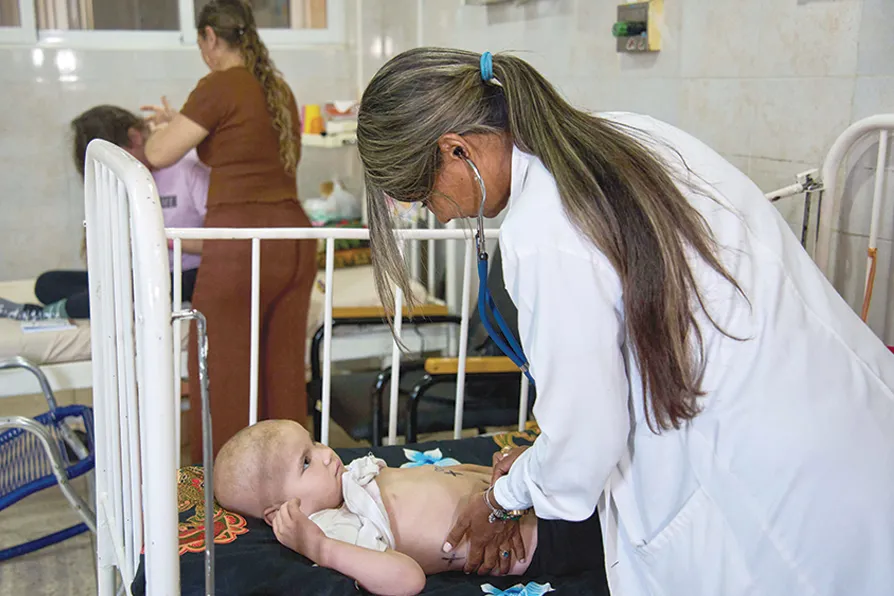
Once a source of national pride, Cuba’s healthcare system declines as energy shortages deepen crisis, writes ANDREA RODRIGUEZ
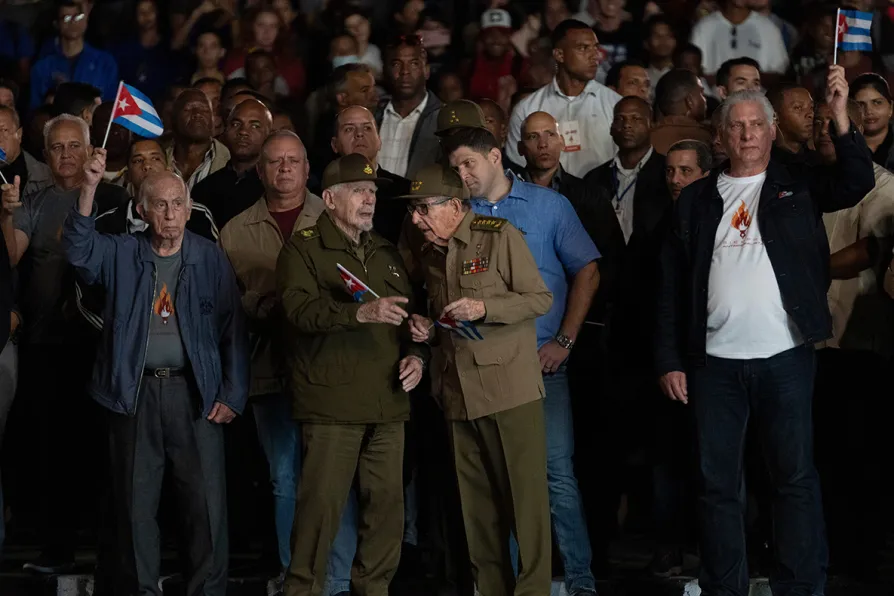
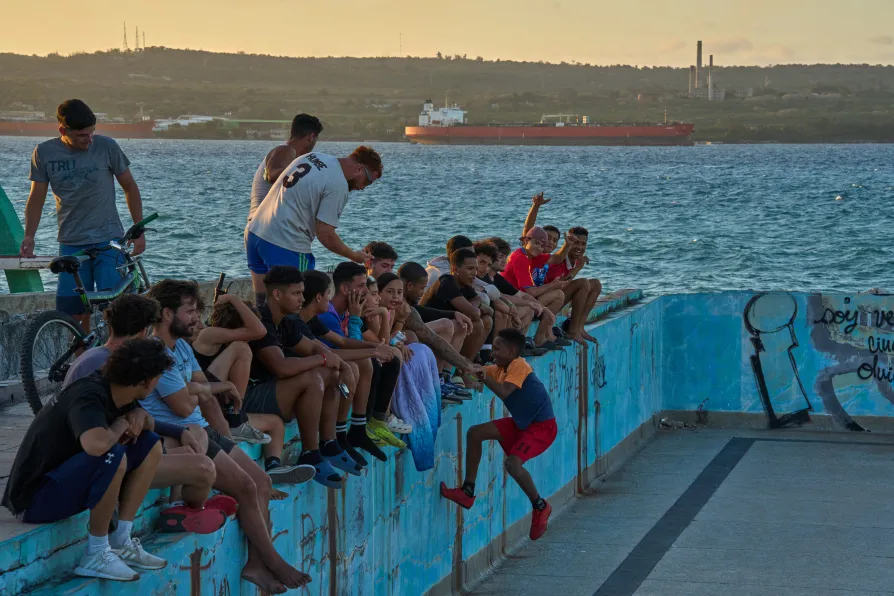
CLAUDIA WEBBE says the US is tightening the noose to destroy Cuban socialism — the need for immediate, international solidarity is urgent
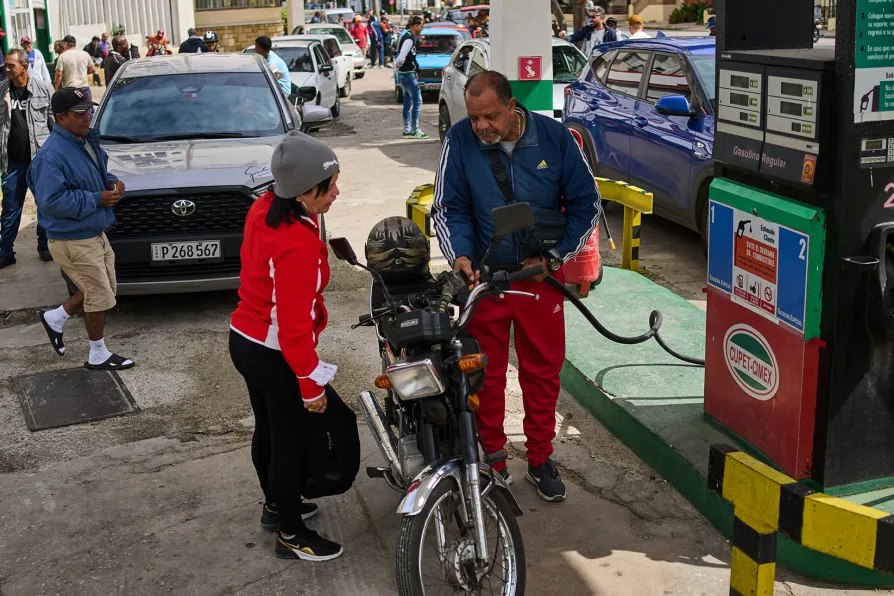
On January 29, US President Donald Trump declared Cuba an ‘unusual and extraordinary threat’ to US national security and tightened the blockade against the island nation MANOLO DE LOS SANTOS reports