

 Latest editorial
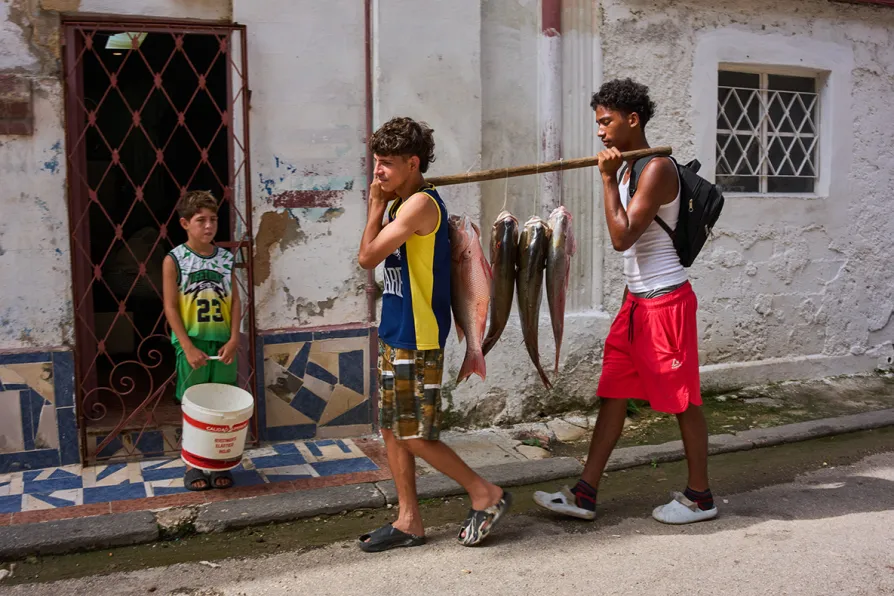 Youths carry freshly caught fish from the sea in Havana, Cuba, June 1, 2026





SOME of Cuba’s sickest people are feeling the effects of the illegal US energy blockade, with operations delayed, kidney dialysis treatments disrupted and children with cancer at higher risk of death, according to a local media report.
The survival rate for children with cancer has fallen to 65 per cent from 85 per cent before the energy restrictions began in January, according to the report published on Monday by Cubadebate.
It also said 100,000 children younger than seven are no longer receiving the daily litre of milk previously provided by the state and that the country’s 16-vaccine immunisation programme for infants is “at risk.”
Additionally, it said, another 100,000 Cubans are on waiting lists for surgery and the treatment schedules of nearly 3,000 patients requiring kidney dialysis have been disrupted.
Some 300 of the 395 essential medicines produced on the island are unavailable due to a lack of chemical components required to manufacture medications.
Cuba provides free and universal healthcare, but the system has been pushed to the brink by resource shortages, fuel scarcity and power cuts that can last more than 20 hours.
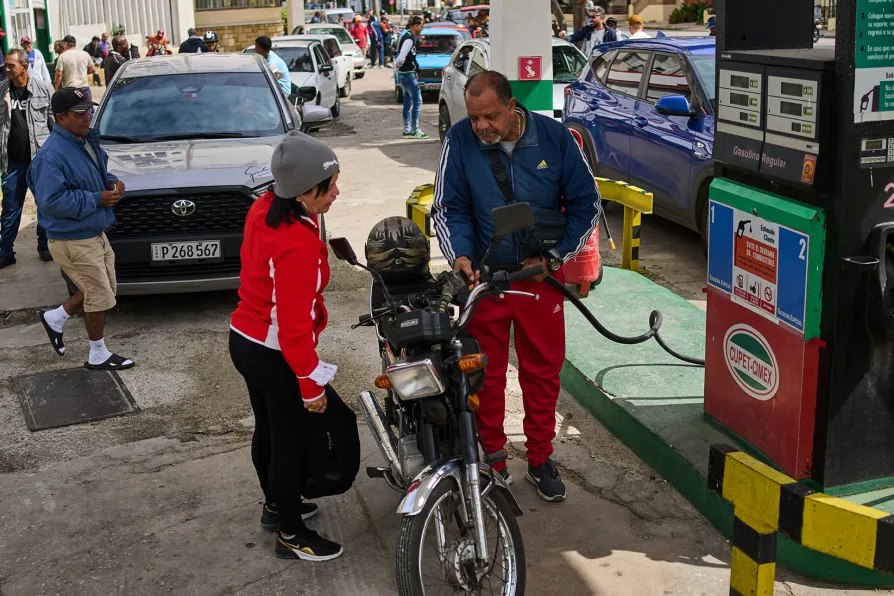
The island went three months without a fuel shipment after the US attacked Venezuela, a key supplier, in January and threatened tariffs on any country that sells or supplies oil to Havana.
Cuba was already suffocating under a sharp increase in US sanctions, some of which have been in place for six decades.
Washington is demanding Cuba change its political system and claimed the socialist island is a threat to its giant neighbour’s security. Cuba has repeatedly said that it poses no threat to the US.
As bilateral tensions escalate, United Nations officials have warned of a looming humanitarian crisis.
In March, the UN launched an emergency appeal to raise funds for the island, but the world body said on Monday that several of its agencies involved with the plan are facing “significant logistical challenges.”
Unicef said seven critical shipments of supplies for newborn infants, valued at $630,000 (£463,000), were stalled in transit, while the World Food Programme said 2,900 metric tons of contracted food aid could not be shipped to Cuba because of limitations imposed by shipping companies.
Monday’s Cubadebate report also stated that about 1,400 megawatts of generating capacity are offline because of shortages of diesel and fuel oil for smaller power plants.
It added that larger thermoelectric plants need spare parts that cannot currently be transported.

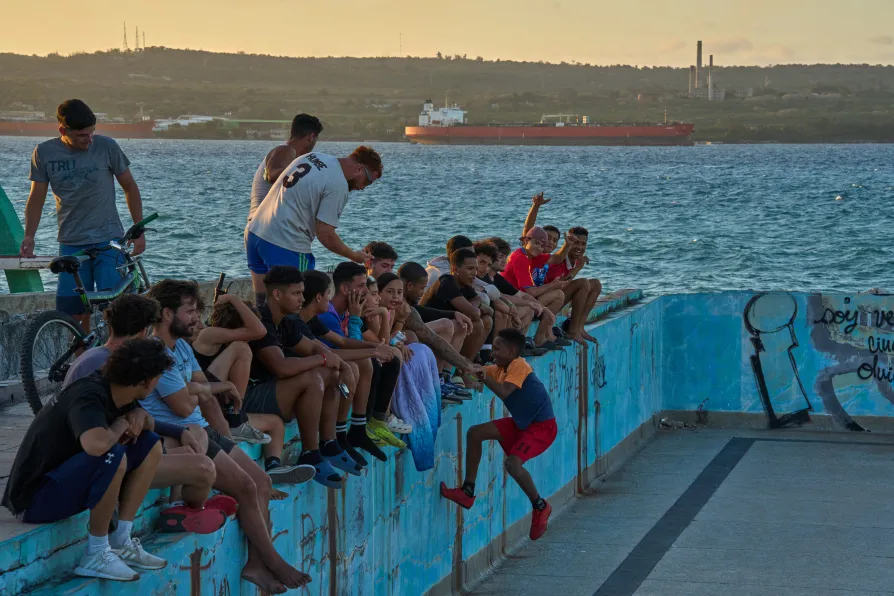
CLAUDIA WEBBE says the US is tightening the noose to destroy Cuban socialism — the need for immediate, international solidarity is urgent
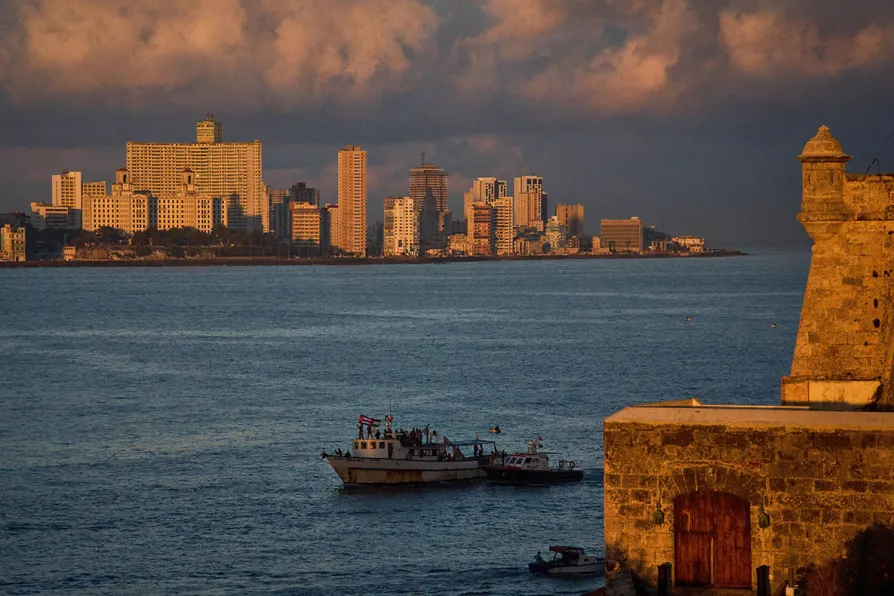
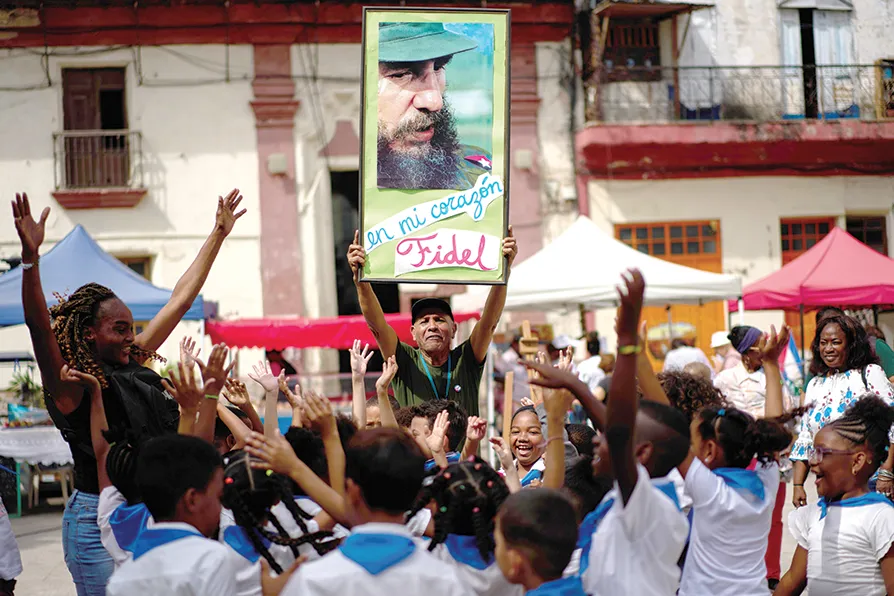
As the US intensifies its economic and political pressure it is now vitally important to demand the British government intervene to end US aggression, writes GEOFF BOTTOMS
On January 29, US President Donald Trump declared Cuba an ‘unusual and extraordinary threat’ to US national security and tightened the blockade against the island nation MANOLO DE LOS SANTOS reports