

 Latest editorial
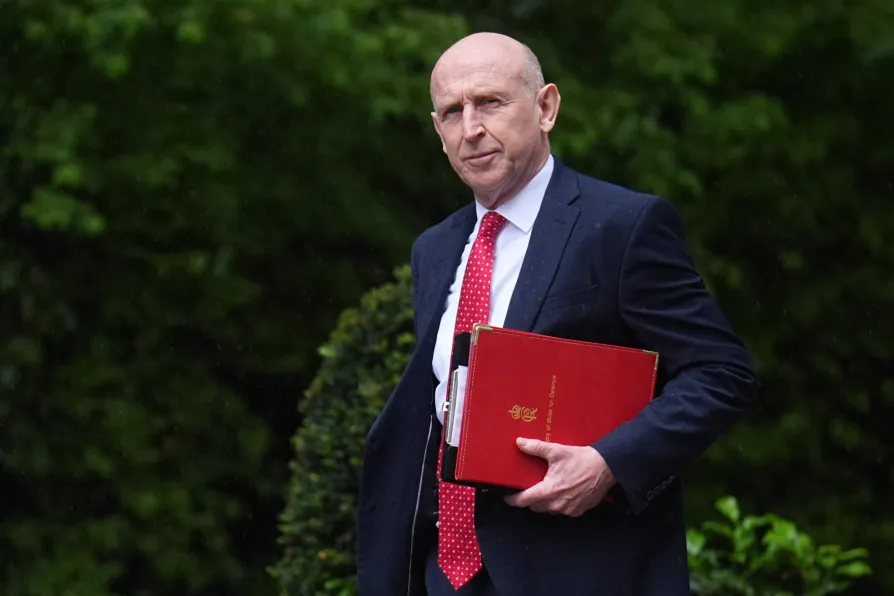 Defence Secretary John Healey arrives for a Cabinet meeting in Downing Street, London, June 2, 2026


NATIONAL security exemptions will be used to ensure British companies are awarded more defence contracts over their overseas competitors, Defence Secretary John Healey said at the GMB conference today.
He outlined plans to ensure more military spending stays within Britain amid ongoing wrangling over the long-awaited Defence Investment Plan (DIP).
The Prime Minister and Chancellor are reportedly arguing for a £15 billion package, far short of the £28bn over the next four years which defence officials have called for.
No 10 has reportedly bypassed the Treasury to tell departments directly to find 1 per cent cuts to their capital budget (used to fund infrastructure and investment) over the next four years, in order to meet the military commitment.
Speaking in Blackpool, he said: “The government will develop a new approach that looks to give credit in future defence contract decisions to British-based companies based on a genuine, substantive presence in Britain and long-term commitments to British communities and British supply chains.
“As part of this drive, I can announce I will make greater use of national security exemptions for defence contracts — which allow the government to require certain capabilities to be built in Britain — supporting our UK industrial base and your members’ jobs.
“We will ensure that, in large defence contracts, there are provisions to require any significant sub-contracts to be placed with UK-based companies, or guarantee competitions so UK competitors aren’t shut out.”
The government, meanwhile, confirmed that armed forces personnel will receive a 3.6 per cent pay rise.
Stop the War convener Lindsey German said: “All public-sector workers deserve a decent pay rise, but the announcement that 1 per cent will be cut from all government department budgets to pay for increased defence spending shows where the government’s priorities lie.
“They want to build the military and spend on arms at the expense of the services we all rely on. Even greater percentage cuts will likely be made to net-zero and transport, as though the climate emergency poses no threat to our security.
“The clamour for militarism and rearmament is being ratcheted up and needs to be challenged as a matter of urgency, which is exactly what the International Anti-War conference in London on June 20 is intended to do.”
