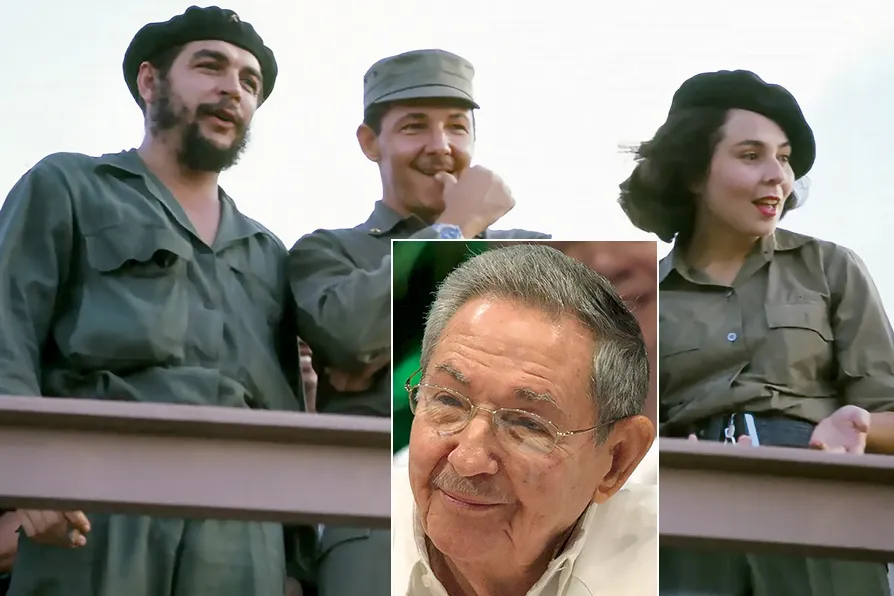
Born on this day in 1931, the heroic revolutionary faces a dangerous new wave of White House aggression. We must treat his birthday as a rallying cry to resist the illegal siege of Cuba, writes ROGER McKENZIE


 Latest editorial
The ‘annexation’ of Crimea: the facts
With the current heightened levels of anti-Russian sentiment and the return of the cold war mindset, it is important to understand the history of this region and why it sees itself as Russian, writes KATE CLARK
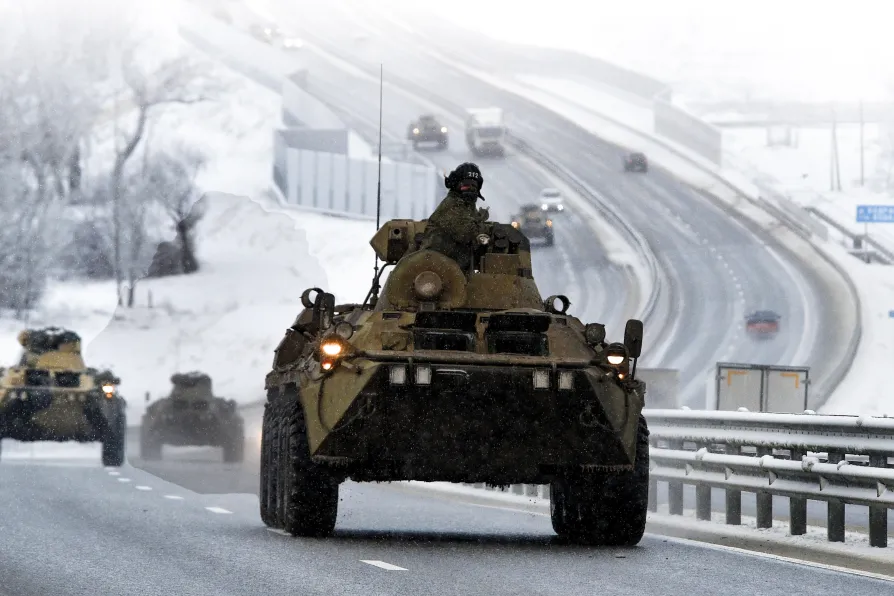 A convoy of Russian armored vehicles moves along a highway in Crimea, Tuesday, January 18, 2022
RAMZY BAROUD decries the rats of Gaza, the rodent and human type. Both abound as profiteering from tragedy reaches obscene levels
When gas company bosses gorged on assets, the GMB union fought back with the help of a 20-stone saddleback sow. MAT COWARD tells the story
JOHN REES looks at why the June 20 international anti-war conference is such a vital initiative
ROGER McKENZIE highlights how health workers in DRC are struggling to contain a deadly Ebola outbreak in a region already suffering conflict, aid cuts and a legacy of imperialist degradation
Associate Professor BUI QUANG TUAN explains how modernisation and growth are helping to unlock new foreign investment in the Vietnamese economy




AT ABOUT the same time as the British Empire laid claim to the Falkland Islands, the Russian Empire claimed Crimea. It was the late 1770s and the time of empires, when a fleet of ships could land on a place and declare it henceforth their territory.
The Falkland Islands, which the Spanish had claimed earlier and named Las Malvinas, are nearly 8,000 miles from London, off the east coast of Argentina. Crimea is nearly 800 miles from Moscow and only a few miles from the border with mainland Russia.
The Crimean peninsula, which had previously been part of the Ottoman Empire, was annexed by the Russian Empire on April 19 1783, during the reign of Catherine the Great.

Similar stories
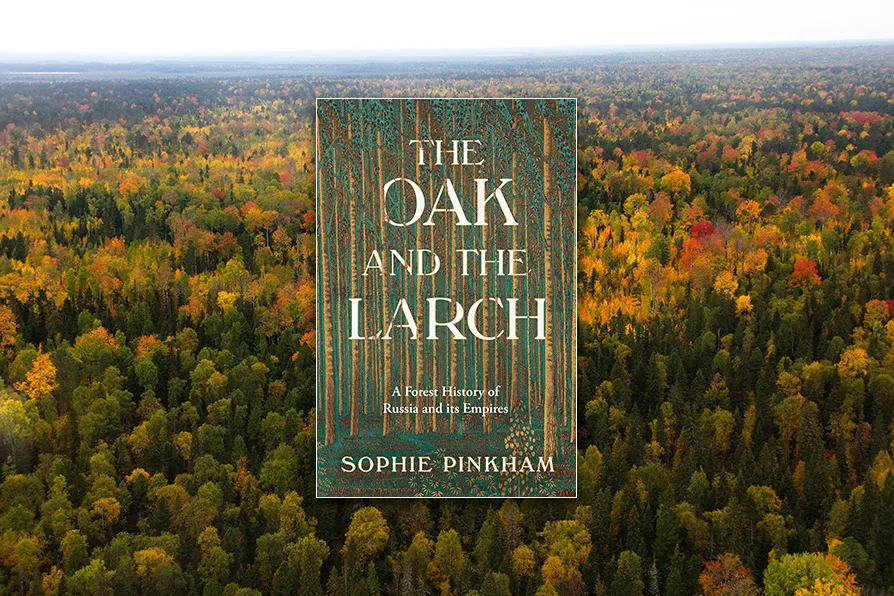
TOMASZ PIERSCIONEK is intrigued by a the changing significance of its vast areas of forest to Russia’s history

JOHN REES replies to Claudia Webbe
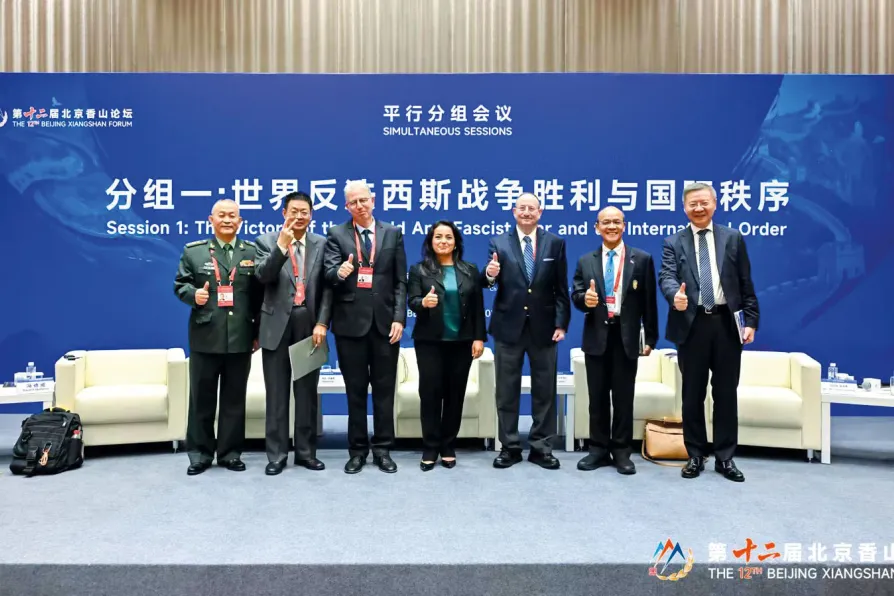
In a speech to the 12th Xiangshan Forum in Beijing, SEVIM DAGDELEN warns of a growing historical revisionism to whitewash Germany and Japan’s role in WWII as part of a return to a cold war strategy from the West — but multipolarity will win out
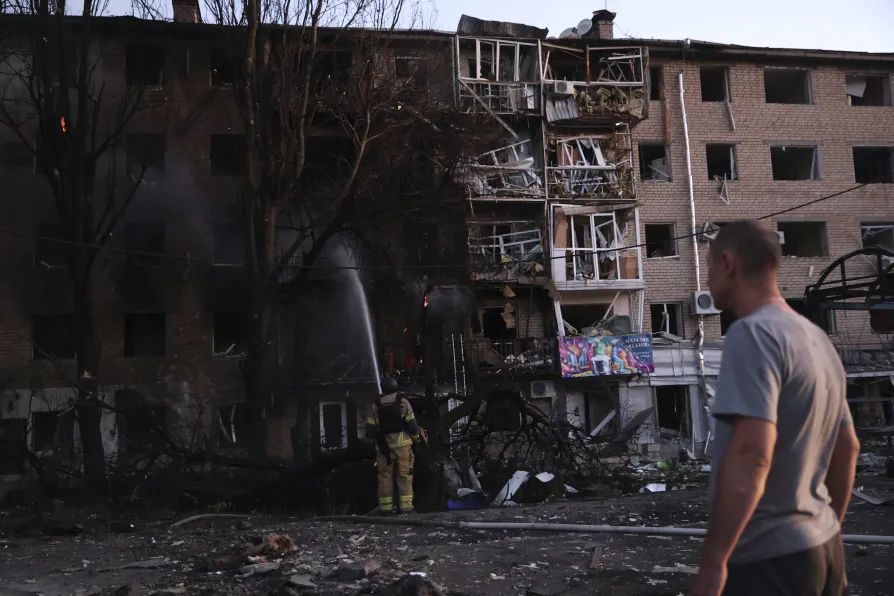
While 69 per cent of Ukrainians want negotiated peace, Western leaders are cynically prolonging the war for their own strategic and economic goals, to the immense detriment of Ukraine and Europe, write BOB ORAM and MAGGIE SIMPSON