History suggests apartheid ends not through appeals to conscience alone but through sustained economic and political pressure, says HUGH LANNING


 Latest editorial
Bahrain — why the silence?
Demanding change in Bahrain is the only fit way to honour the courage of Bahraini human rights activists, writes CLAUDIA WEBBE MP
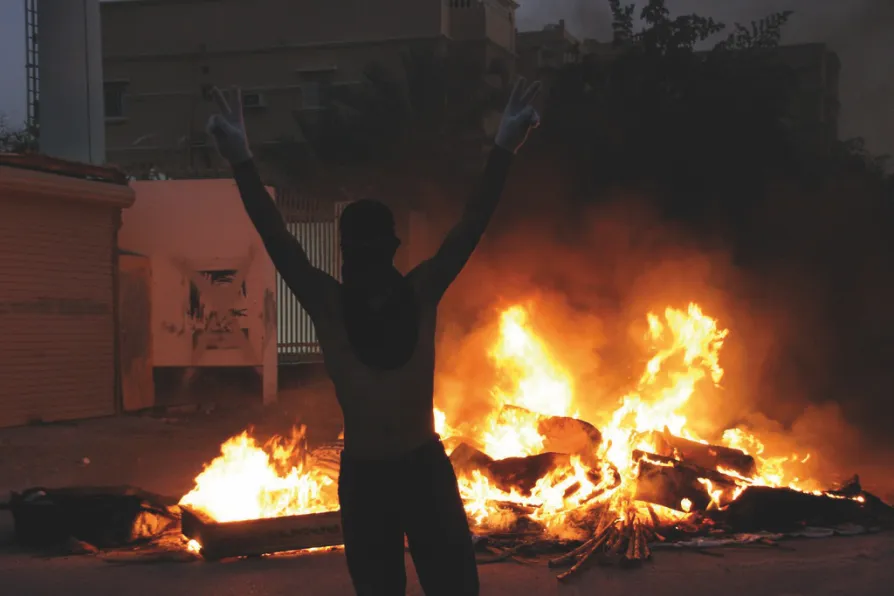 IGNORED: Since 2011, the popular uprising for democracy and equality in Bahrain has been an inconvenience for Western governments looking to do business with the regime
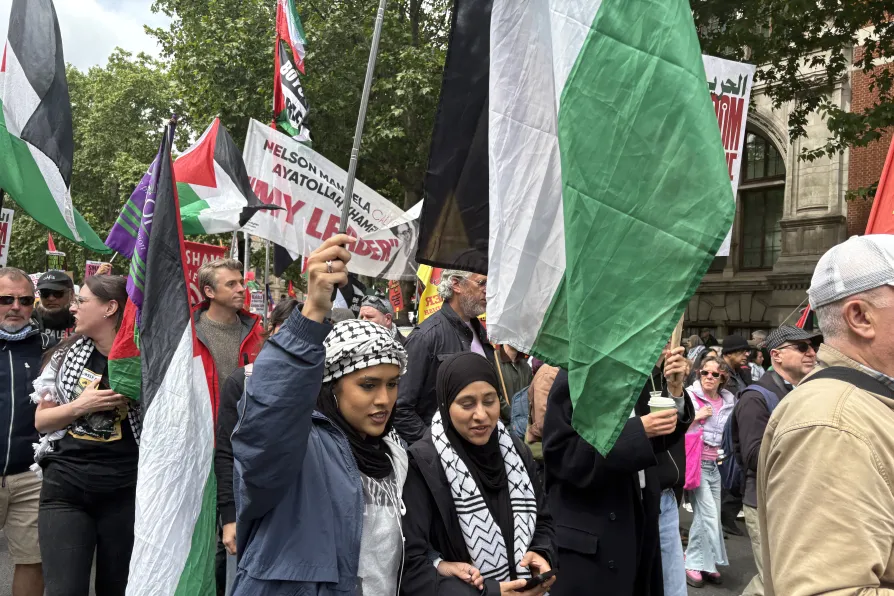
As the US marks 250 years since the Declaration of Independence, the People’s World Editorial Collective argues that the real legacy of 1776 lies not in official celebrations but in centuries of popular struggles to make democracy a reality for all
Once a source of national pride, Cuba’s healthcare system declines as energy shortages deepen crisis, writes ANDREA RODRIGUEZ
Socialists, feminists and trade unionists gathered in Manchester to launch a network committed to evidence-based activism with a renewed emphasis on class and collective struggle. ANNA BARRETT reports
By making it simpler to support workers in struggle, Strike Map’s new Solidarity Fund aims to strengthen strikes when they need it most, write ROBERT POOLE and HENRY FOWLER
Only an ambitious programme of state-led investment can restore growth and improve living standards, argues MICHAEL BURKE




LAST week, in Parliament, I spoke at an event to mark the 12th anniversary of the 2011 uprising, in the presence of some of Bahrain’s most notable and courageous figures in the human rights movement, including Maryam Al-Khawaja, Dr Alaa Alshehabi and Husain Abdulla.
Much of Bahrain’s history has been characterised by remarkable progressive and egalitarian traditions going back a thousand years — a history that has put the people deeply at odds with the authoritarianism they have been forced to live under in recent decades.
And I paid tribute to the guests, as well as to the journalists, academics, prisoners of conscience and others who have fought to extend that legacy despite torture, beatings, imprisonment and repression.

Similar stories
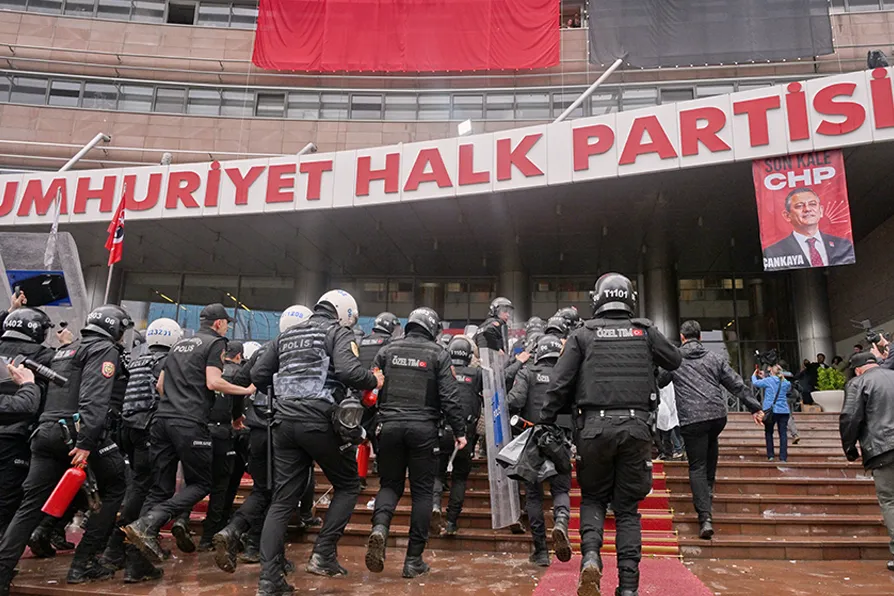
CLAUDIA WEBBE looks at how Britain’s Nato ally has upped the stakes in its effort to silence domestic dissenting voices
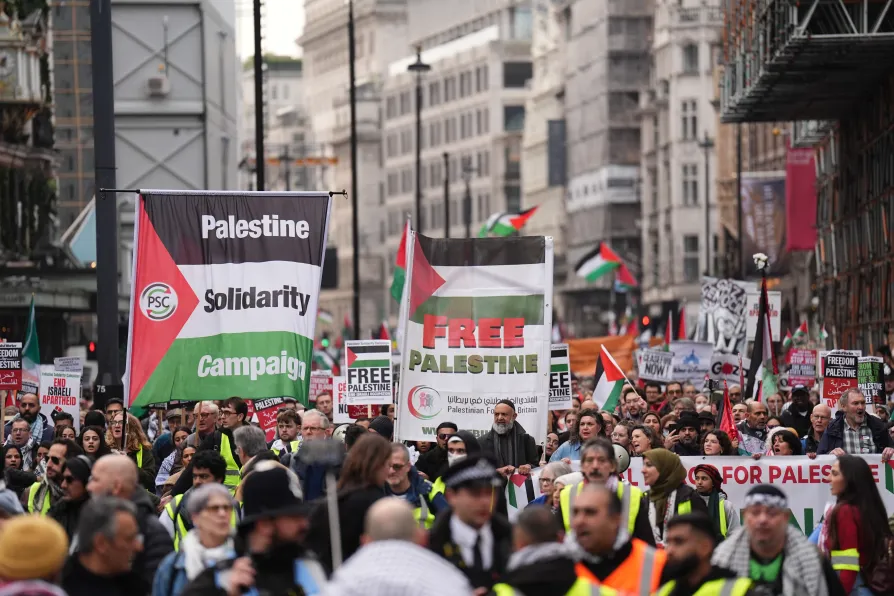
Trade unionists must raise our voices not only for justice and against occupation, but also to protect our fundamental right to protest, writes LOUISE REGAN, ahead of a not-to-be-missed PSC conference

CLAUDIA WEBBE argues that Labour gains nothing from its adoption of right-wing stances on immigration, and seems instead to be deliberately paving the way for the far right to become an established force in British politics, as it has already in Europe
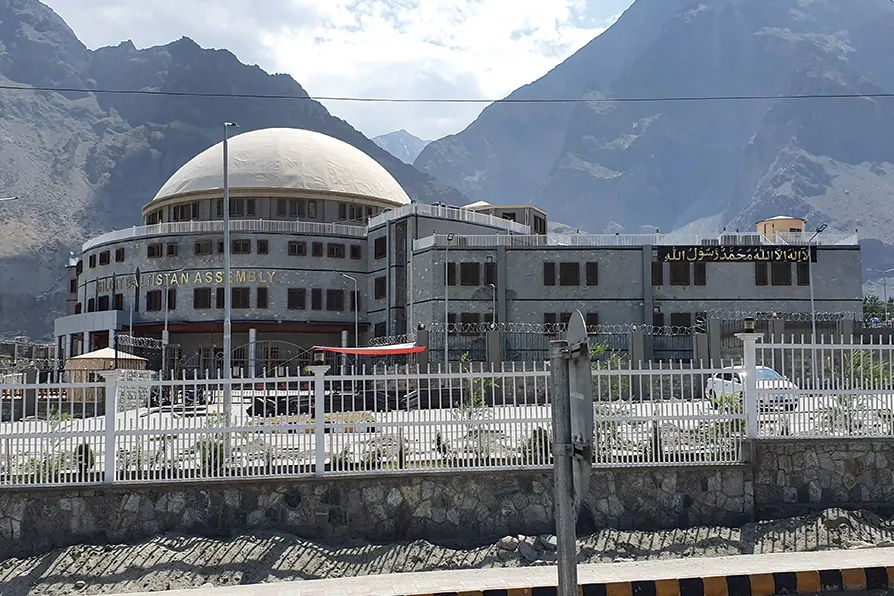
JOE ATTARD explains why trade unionists are rallying in solidarity against the recent arrest of political activists in Gilgit-Baltistan, the northernmost region of Kashmir, administered by Pakistan