Born on this day in 1931, the heroic revolutionary faces a dangerous new wave of White House aggression. We must treat his birthday as a rallying cry to resist the illegal siege of Cuba, writes ROGER McKENZIE


 Latest editorial
Germany and China: their future together v the sanctions regime
Here we reprint an abridged version of a speech by SEVIM DAGDELEN, a die Linke member of the German Bundestag
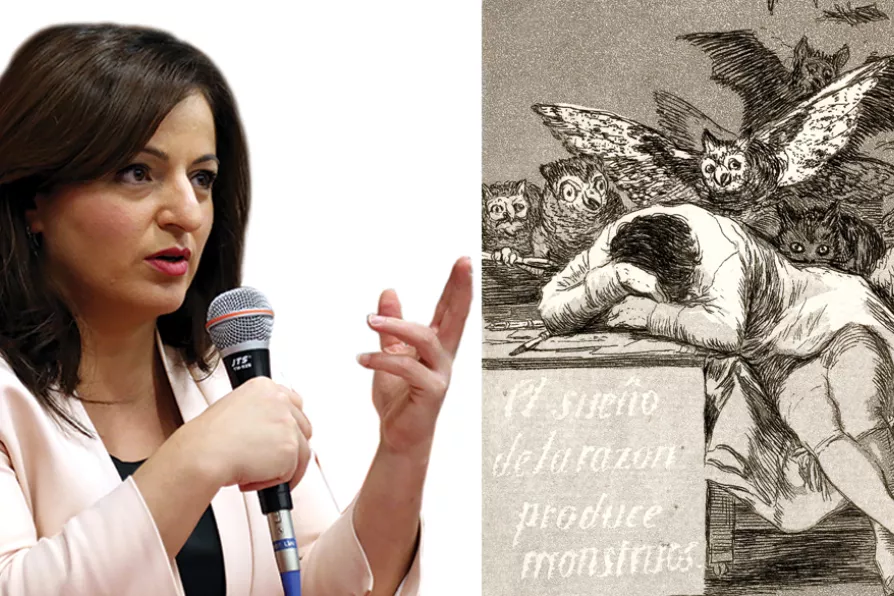 (L to R) Sevim Dagdelen, a die Linke member of the German Bundestag and The sleep of reason produces monsters from Francisco Goya's Los Caprichos/Caprices
[(L to R) DIE LINKE Nordrhein-Westfalen/CC - Public domain]
(L to R) Sevim Dagdelen, a die Linke member of the German Bundestag and The sleep of reason produces monsters from Francisco Goya's Los Caprichos/Caprices
[(L to R) DIE LINKE Nordrhein-Westfalen/CC - Public domain]

RAMZY BAROUD decries the rats of Gaza, the rodent and human type. Both abound as profiteering from tragedy reaches obscene levels
When gas company bosses gorged on assets, the GMB union fought back with the help of a 20-stone saddleback sow. MAT COWARD tells the story
JOHN REES looks at why the June 20 international anti-war conference is such a vital initiative
ROGER McKENZIE highlights how health workers in DRC are struggling to contain a deadly Ebola outbreak in a region already suffering conflict, aid cuts and a legacy of imperialist degradation
Associate Professor BUI QUANG TUAN explains how modernisation and growth are helping to unlock new foreign investment in the Vietnamese economy



WE should begin by discussing a book which is important to understand the present-day situation: The Economic Weapon: The Rise of Sanctions as a Tool of Modern Warfare by Nicolas Mulder, if we are to understand German-Chinese relations in an era of global South emancipation.
He explains the historic development of sanctions as a weapon of modern warfare, beginning with the first world war and described in 1919 by US president Woodrow Wilson as having an effect which was “something more tremendous than war.”
It must be noted that the US, Nato and their allies in Asia, Australia and Europe are not only conducting a proxy war against Russia by supplying weapons — increasingly heavy weapons — to Ukraine, but are also waging economic war with the aim, as stated by German Foreign Minister Annalena Baerbock, of “ruining Russia.”

Similar stories
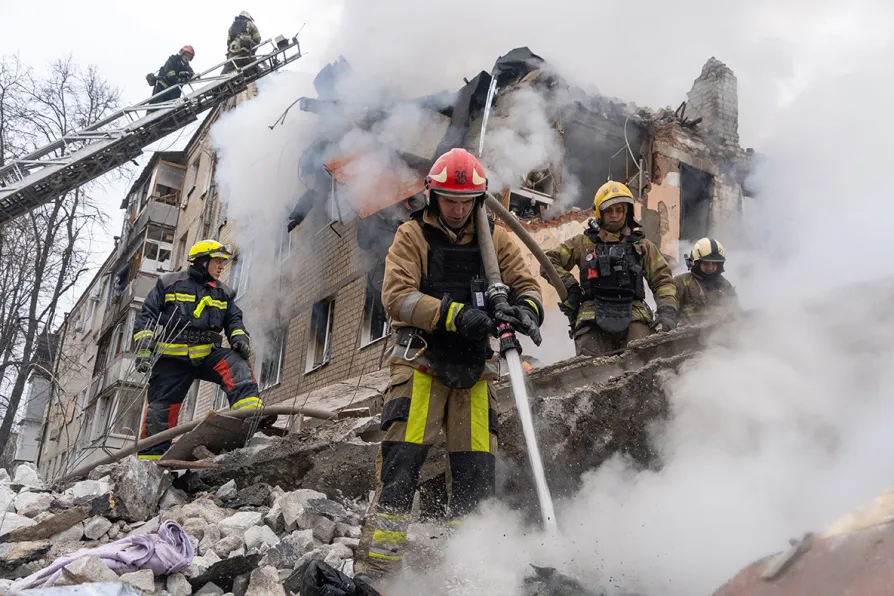
SEVIM DAGDELEN asks why the European Union is targeting the Swiss academic Jacques Baud, cutting off his access to banking services
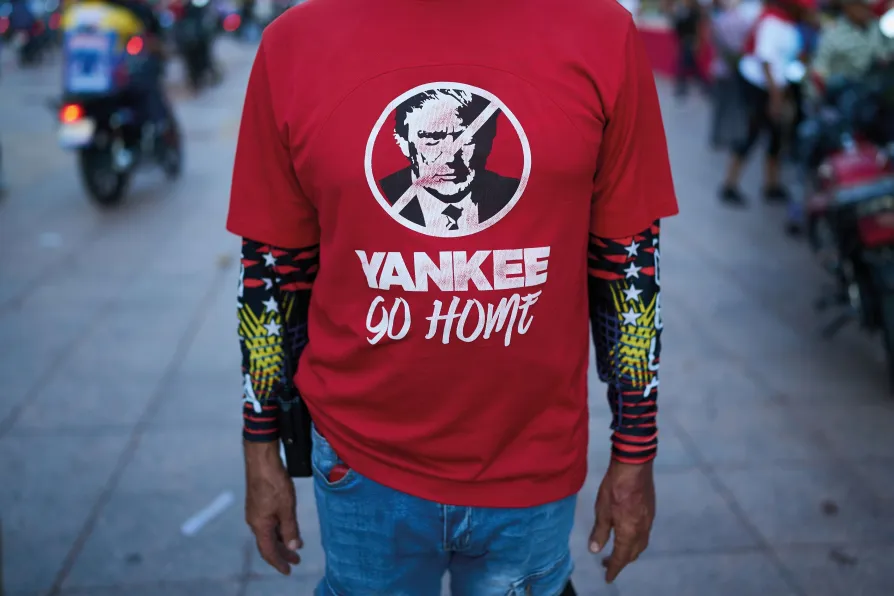
Western nations’ increasingly aggressive stance is not prompted by any increase in security threats against these countries — rather, it is caused by a desire to bring about regime changes against governments that pose a threat to the hegemony of imperialism, writes PRABHAT PATNAIK
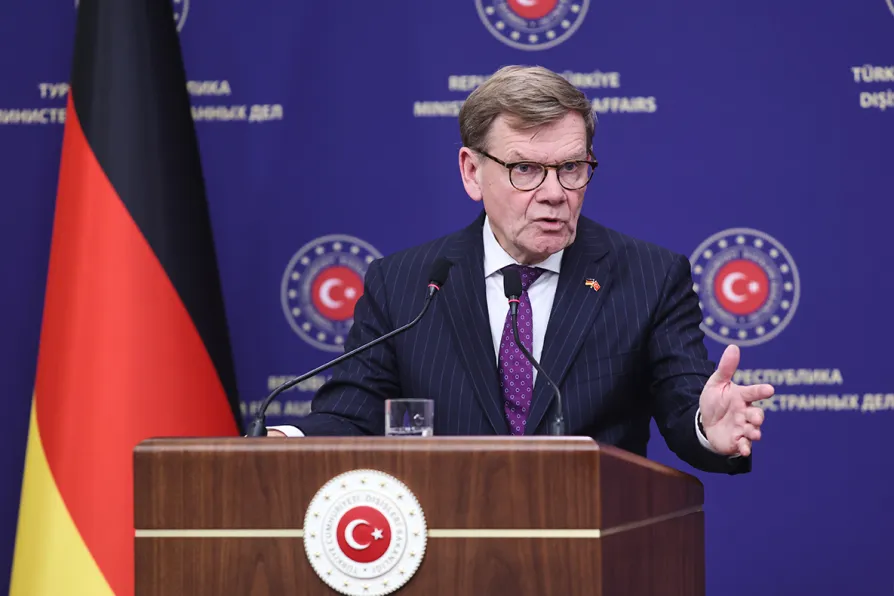
The cancelled China trip of the German Foreign Minister marks a break with Helmut Schmidt’s China policy and drives Germany further into Washington’s confrontation course, warns SEVIM DAGDELEN
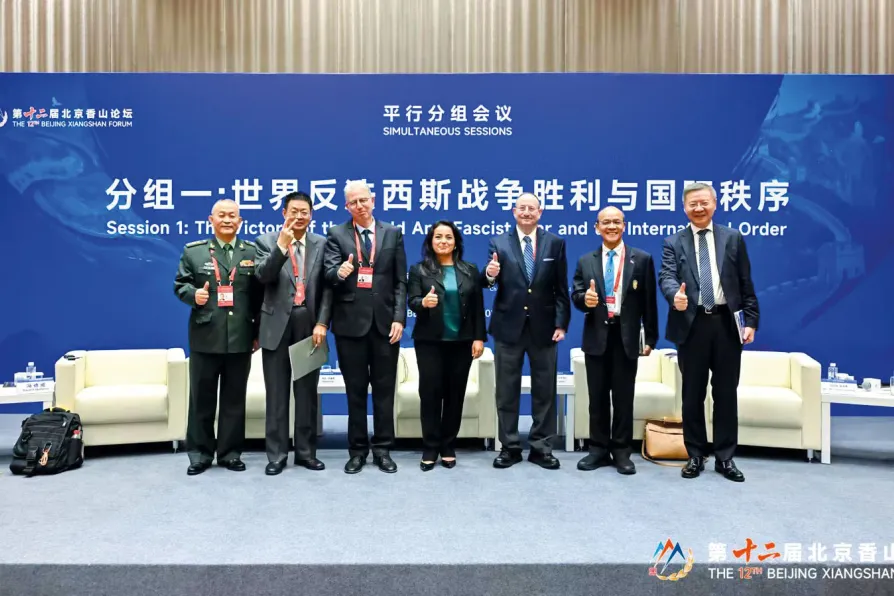
In a speech to the 12th Xiangshan Forum in Beijing, SEVIM DAGDELEN warns of a growing historical revisionism to whitewash Germany and Japan’s role in WWII as part of a return to a cold war strategy from the West — but multipolarity will win out