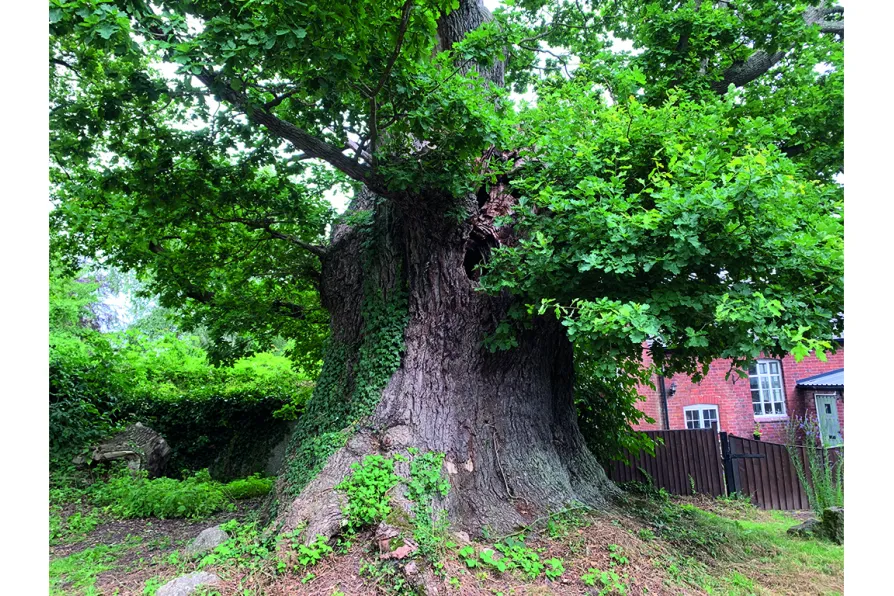
In his fortnightly column MARK SEDDON reflects on the death of Major Oak and why such ancient trees matter to us


 Latest editorial
The Morning Star’s very own unstoppable Beryl Burton Brigade
Star of stage and screen MAXINE PEAKE explains why she and the Pedal4Progress team are raising money for your paper in tribute to one of the most inspiring working-class sportswomen of all time
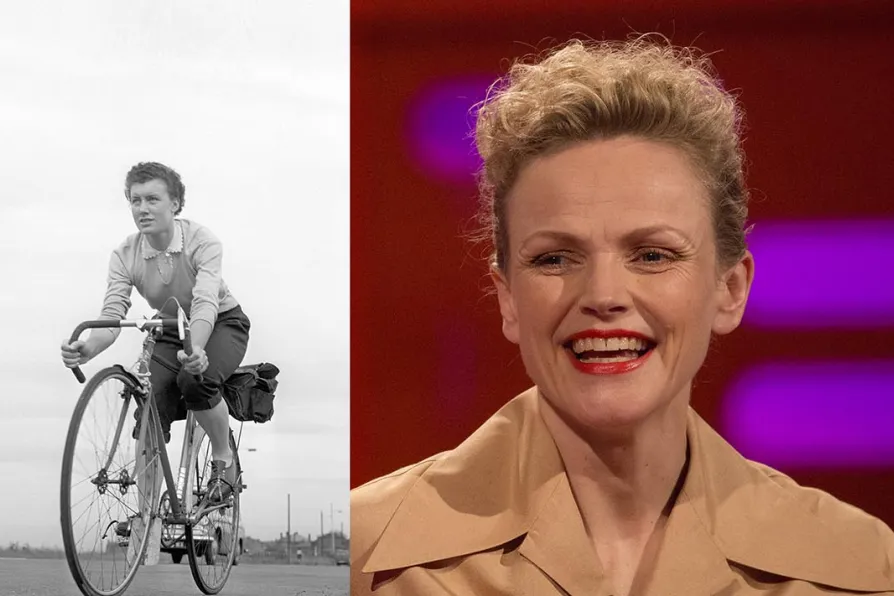 Actor Maxine Peake (right) and cycling champ Beryl Burton
The world’s largest communist party marked its 105th birthday this week — and remains true to its principles and firm in its course, says OLIVER VARGAS
The left has become too reliant on persuasion and too detached from the workplaces and communities it seeks to represent, argues NICK TROY
RAMZY BAROUD highlights how Israel’s ambassador sought to shut down UN officials documenting sexual violence and abuses against Palestinians
The US-Israeli conflict with Iran has had far-reaching consequences, including a boost to Pakistan’s regional standing, argues ROGER McKENZIE
The recent heatwaves revealed how ill-prepared Britain remains for a hotter future – and how unequal the ability to cope with it has become, write ROX MIDDLETON, LIAM SHAW and MIRIAM GAUNTLETT
The drive to strengthen European defence is reshaping relations between France, Germany, Italy and Britain, says NICK WRIGHT




THE 2022 Pedal4Progress challenge is almost upon us. This year’s Morning Star fundraiser will see readers and supporters of the progressive cycling collective start out from Liverpool’s Jack Jones House this Tuesday (the 26th) following the Trans Pennine Trail on a coast to coast journey arriving into Hull at the site of the Spanish civil war sculpture on the Friday afternoon.
This year the team will ride in the name of magnificent and indomitable female cyclist Beryl Burton, in tribute to more women taking part than ever before. There’s also a little nod to that Yorkshire landscape we’ll be traversing (Beryl was Yorkshire born and bred).
But who is Beryl Burton? And why isn’t she a household name? In 2013 I was given a copy of her autobiography, Personal Best, a birthday gift from my partner Pawlo.
It had a little note saying: “Get your hair in a curly perm, there’s a part in this for you.” I looked at the image on the cover.
A lean muscular woman hunched over a metal-framed road bike. She looked impressive, but I had never ever heard of her. Admittedly I didn’t know the names of many male cyclists, I was a commuter cyclist then. In and out of Manchester with one cycling holiday to north Norfolk (it isn’t as flat as you’d think!)
As I flicked through the photos in Beryl’s book, there were images of her being congratulated by Tom Simpson after winning the world road title in East Germany in 1960.
A photo of her taking part in the 24-hours national championship in 1969. One of beating two Soviet cyclists and then one of her working in the rhubarb fields of West Yorkshire.
Straight away I was hooked. An amateur British cyclist thrashing Russians with state funding and structured training programmes. By contrast, Beryl worked the Rhubarb Triangle to train and earn a living?
My mind started whirring. Pawlo was right — this would make a great film, but getting an independent film made in Britain is difficult, unless you have a big star name attached and, selfishly, I wanted to play Beryl, so I had an idea for a radio play.
I approached the director and producer Justine Potter who in turn approached Jeremy Howe, the drama commissioner for BBC Radio 4. Before I knew it, I was attempting to write my first ever radio play.
Beryl Charnock was born in Morley on the outskirts of Leeds in May 1937, and as a young girl she was diagnosed with St Vitus’ dance with rheumatic fever after collapsing during her eleven plus exam.
She was rushed to hospital. After nine months in hospital followed by six months convalescing Beryl was advised that strenuous exercise was out of the question.
On leaving school she started work at the Leeds-based tailors Sir Montague Burtons Ltd. This is where she met her future husband Charlie Burton and the rest as they say is “working-class history.”
Charlie talked Beryl into Joining Morley Cycling Club, of which he was a member. Describing his wife’s early cycling days, Charlie said: “First of all she was handy, but she wasn’t that competent: we used to have to push her round a bit. By the second year she could ride with us. By the third year she was going out in front and leading them all.”
After that she was unstoppable, beating not only her female opponents but male ones too. The most legendary is when she beat Mike McNamara in a record-breaking 12-hour time trial. As she passed him she offered Mike a Liquorice Allsort to soften the blow!
Among the endless list of Beryl’s trophies and achievements are the winner of the National Champion Road Race 12 times; national champion hundred-mile time trial 18 times; Best British All-Rounder 25 years in a row; 100 miles in under four hours; world champion in road race twice and 3,000-metre pursuit five times.
Beryl was a cycling machine. She had a reputation for being down-to-earth and friendly with no airs or graces but with a ferocious determination to win.
While out on her bike delivering invitations to her 59th birthday Beryl had a heart attack and died, her childhood health condition finally catching up with her. Such a tragically poetic ending to the life, I believe, of this country’s greatest sportsperson.
The radio play was finished and broadcast with much help from Beryl’s daughter Denise and husband Charlie. I was then asked to adapt it for stage for Leeds Playhouse.
And since its first outing “Beryl” has had a revival nearly every year for the past nine years. This is all purely down to Beryl Burton, the fascination, respect and inspiration she still continues to conjure up, a true working-class icon and a fitting role model to spur on the sisters and brothers of the P4P team and our bid to raise £10,000 for the daily miracle.
To support us in this challenge please donate by bank transfer to: Merseyside Morning Star, sort code 60-83-01, account number 20428060. Please reference your donation P4P10. Contact [email protected] for information.

Similar stories
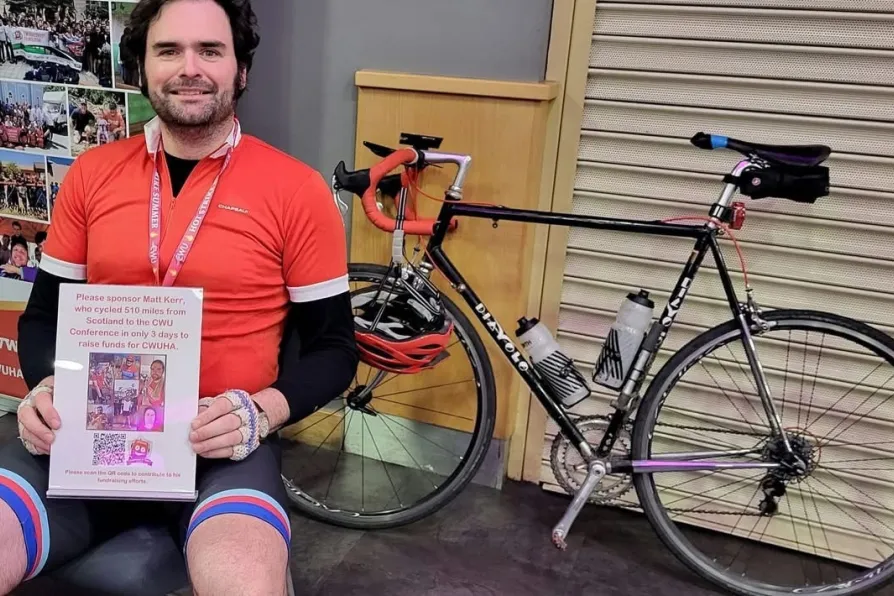
After battling hills, rain and injury in a three-day cycle ride ending at the CWU conference, MATT KERR reflects on why class unity remains the answer to injustice
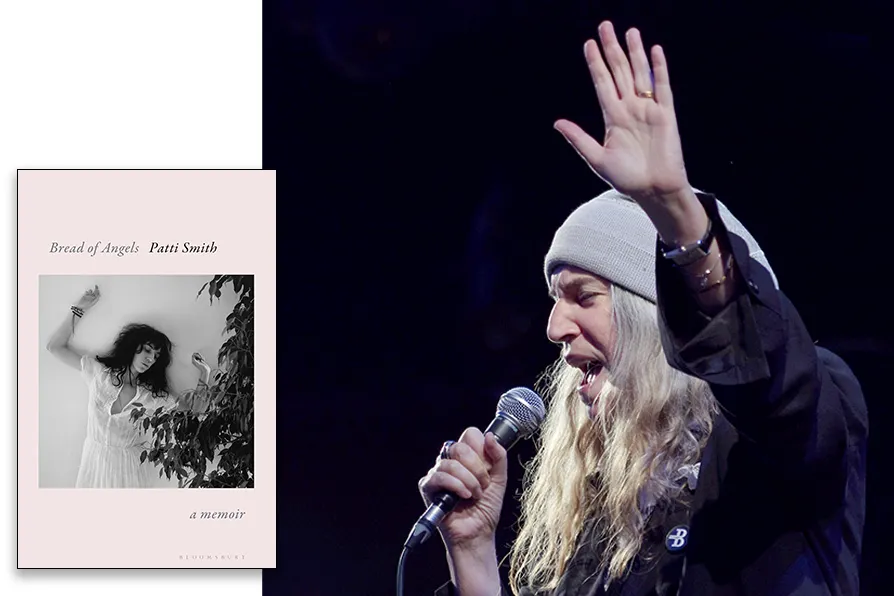
JULIA TOPPIN recommends Patti Smith’s eloquent memoir that wrestles with the beauty and sorrow of a lifetime
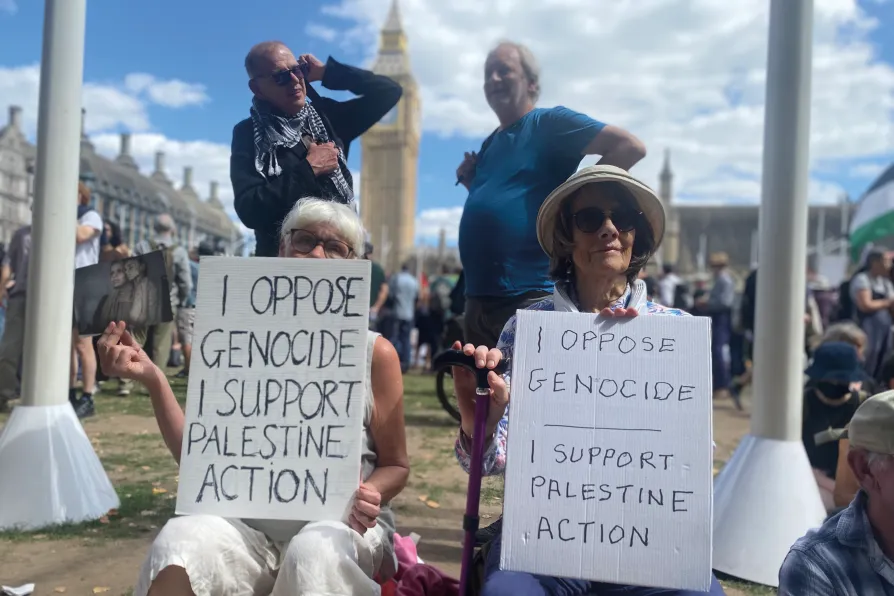
At 80, Elizabeth Morley wished she could join Palestine Action’s ladder-climbing but found her perfect protest at Defend Our Juries, proving Britain’s elders won’t be silenced despite government crackdowns, writes LINDA PENTZ GUNTER
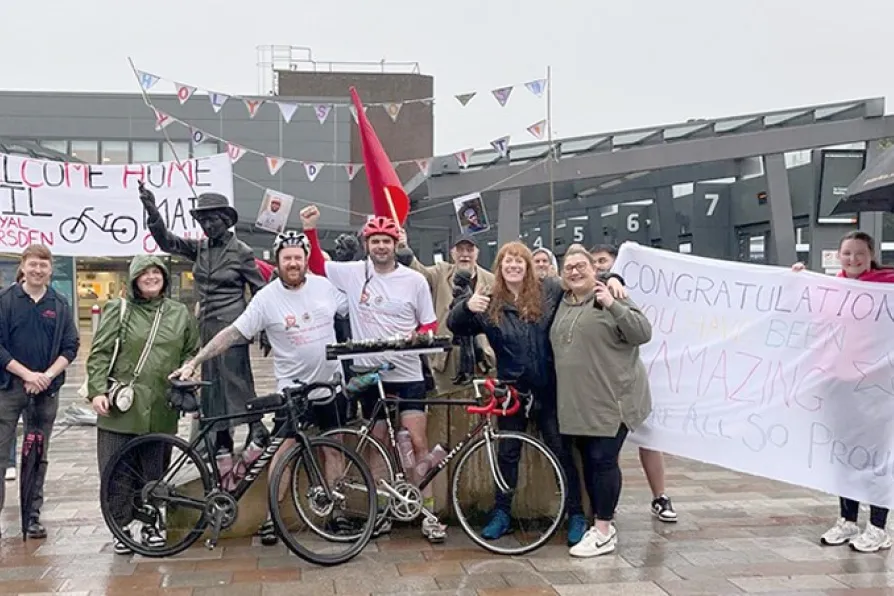
MATT KERR charts his bike-riding odyssey in aid of the Royal Marsden charity and CWU Humanitarian Aid