PCS general secretary FRAN HEATHCOTE explains why opposing war is inseparable from defending jobs, wages and public services – and why readers should come to the London Peace Conference on Saturday June 20


 Latest editorial
Venezuela’s National Assembly elections: an important victory for Chavismo
FRANCISCO DOMINGUEZ assesses the results of the weekend's vote
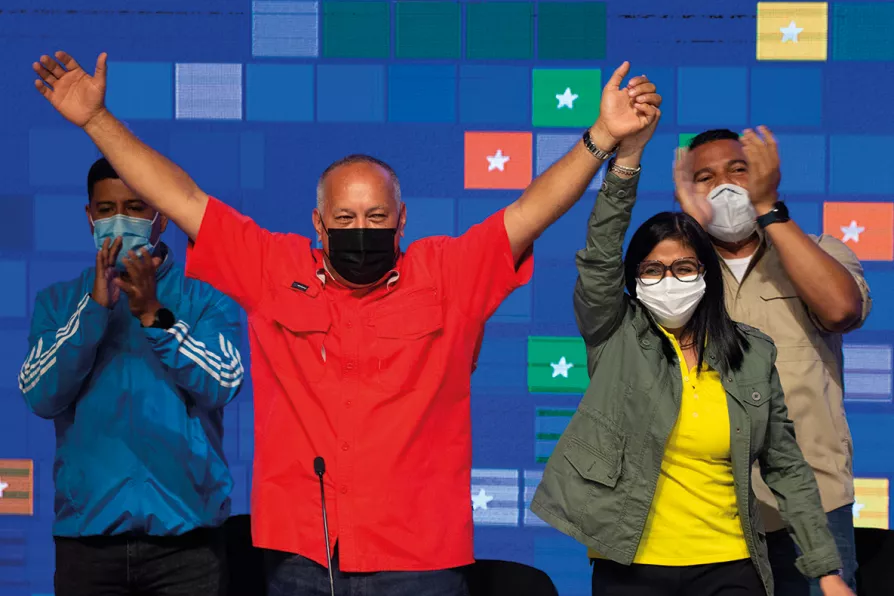 DECISIVE: A landslide for PSUV
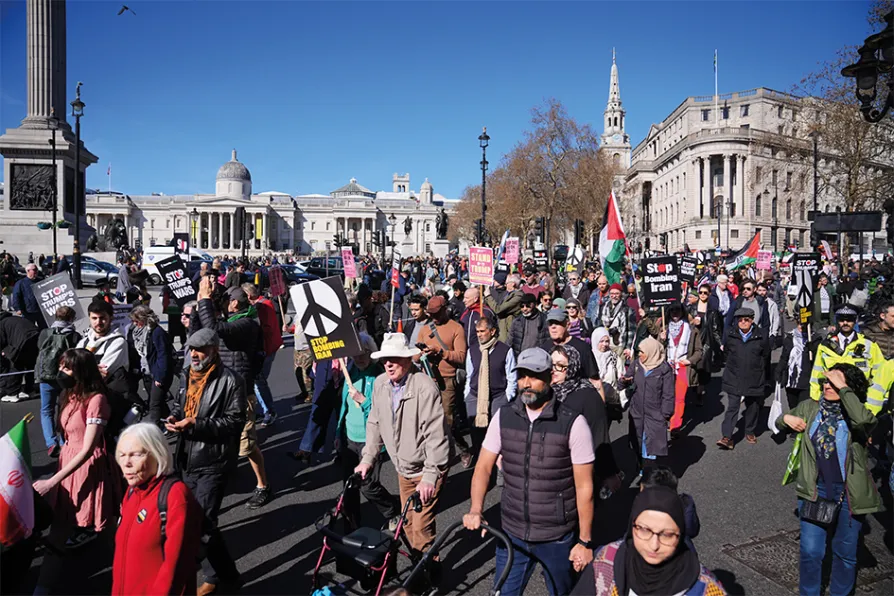
As protests erupt over Henry Nowak’s murder, ANDREW MURRAY argues that anger is being exploited to advance a wider racist and anti-immigration agenda
CARLOS MARTINEZ explains the sound case for car manufacturing co-operation with China
The National Emergency Briefing outlines the need for urgent action to address environmental crisis, says PAUL DONOVAN, warning that there’s no time to indulge the arguments of the fossil-fuel-funded climate-change deniers
Campaigners say criticism of Labour MP Stephen Morgan’s position on Gaza has been met with police intervention and cancelled opportunities for debate. HESTER WOLFE reports
The Committee for the Defence of Iranian People’s Rights warns of escalation danger in Iran war




VENEZUELA’S free and fair elections to the National Assembly, held on December 6 2020, produced a substantial political victory for Chavismo: out the 277 MPs to be elected, the PSUV-led Great Patriotic Pole (the governing coalition, GPP) won with a 69.43 per cent landslide (4,276,926 votes); the Alianza Democratica (opposition) polled 17.72 per cent (1,095,170); Venezuela Unida received 4.15 per cent (295,450); and smaller coalitions got the remainder of the votes cast.
That is, out of the 277 seats contested, the GPP got 177 with the remaining 97 going to the other coalitions. Altogether, 6,251,080 people voted which represents 31 per cent of the registered electorate. This was the 25th election since Hugo Chavez first became president in 1998.
It was the National Dialogue for Peace, integrated by the Bolivarian government and representatives of opposition parties that came to an agreement, which contemplated, among other things, the designation of a new National Electoral Council.
Additionally, as is the normal protocol, the National Electoral Council (CNE), as part of the consensus between government and opposition parties, introduced a number of changes and conducted some extra guarantees. The specifics were as follows:

Similar stories
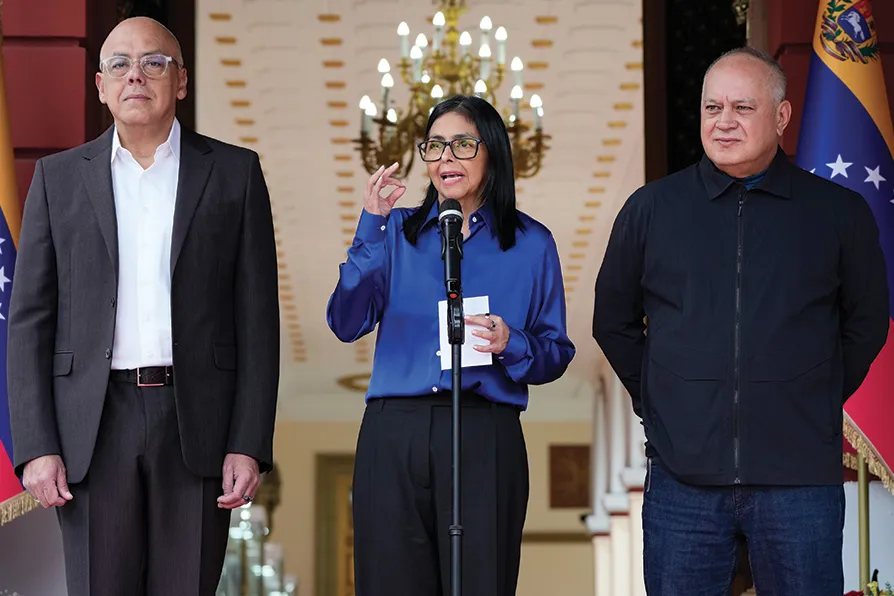
International solidarity can ensure that Trump and his machine cannot prevail without a level of political and economic cost that he will not want to pay, argues CLAUDIA WEBBE
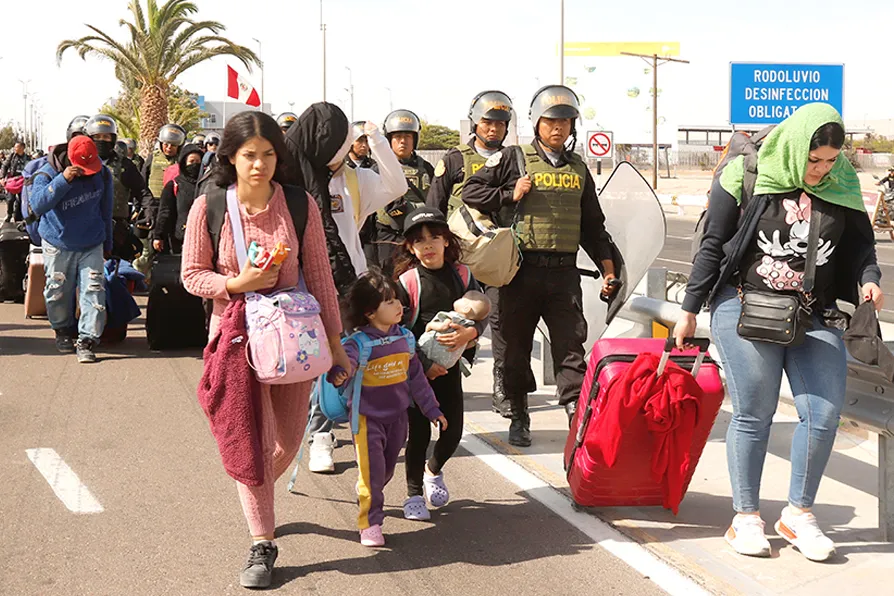
Far-right forces are rising across Latin America and the Caribbean, armed with a common agenda of anti-communism, the culture war, and neoliberal economics, writes VIJAY PRASHAD
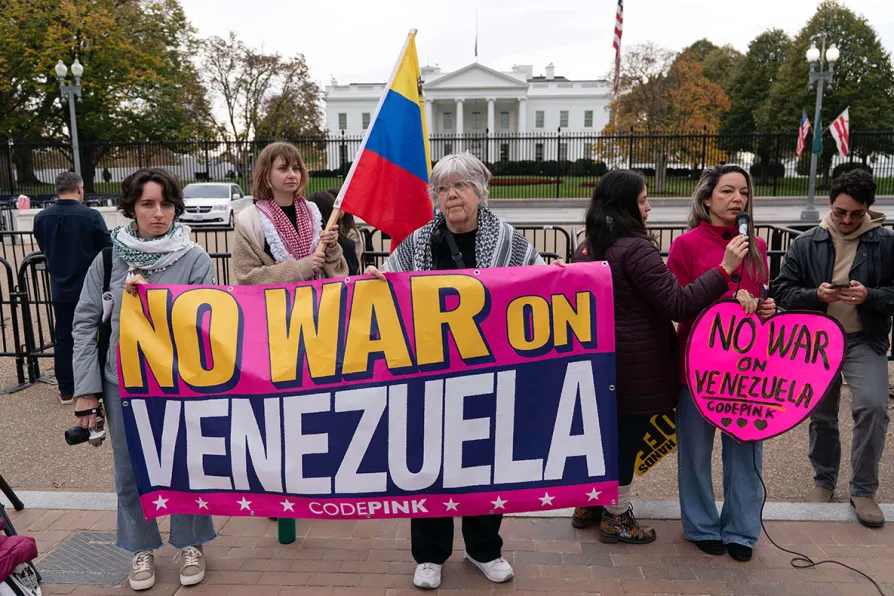
The global left must be unwavering in it is support for Venezuela as Washington increases its aggression, and clear-eyed about the West’s cynical motives for targeting it, says CLAUDIA WEBBE
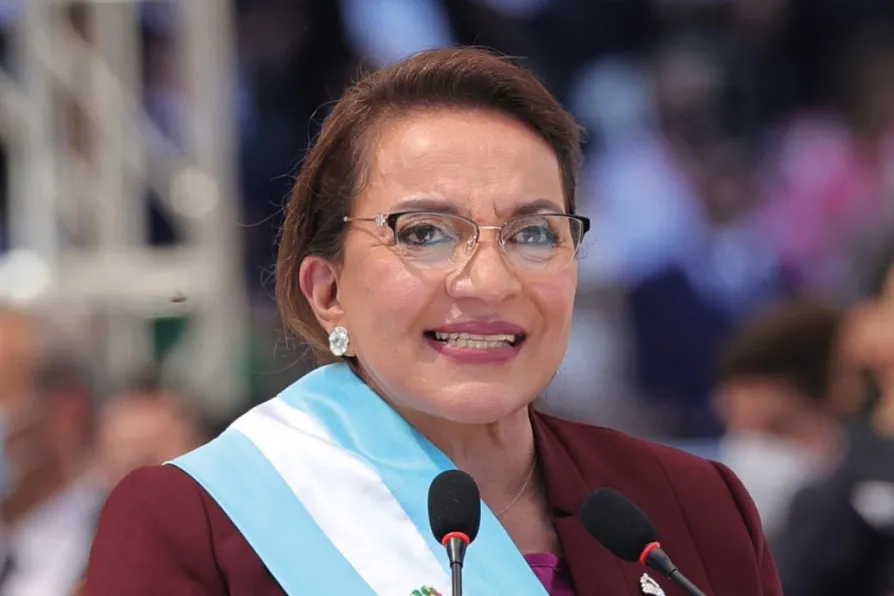
The US is desperate to stop Honduras’s process of social and democratic change, writes TIM YOUNG