

 Latest editorial
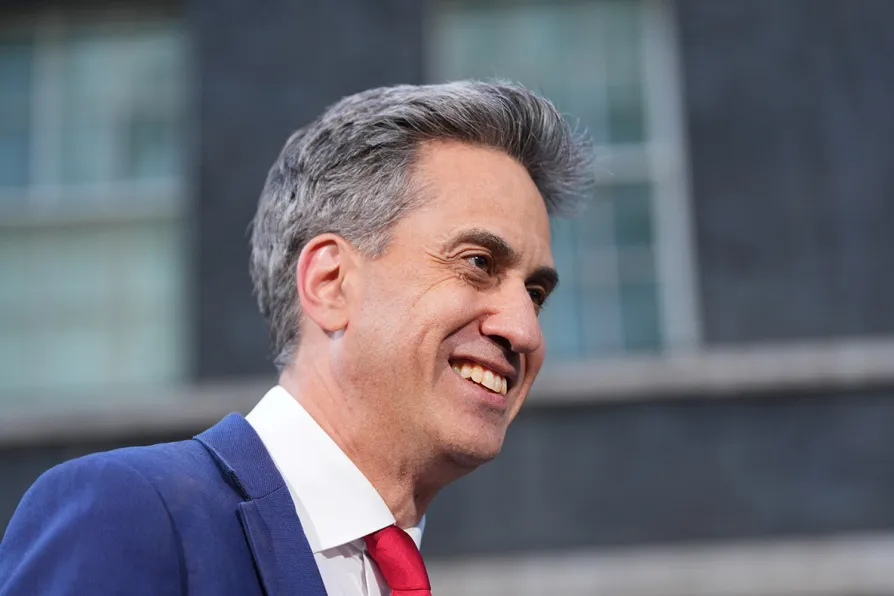




UNITE has hailed a Supreme Court decision on union rights as a “historic” legal judgment after Britain’s highest court backed calls to oppose undermining collective bargaining.
The union said that the outcome of its six-year case will affect union members across the country after Kostal Ltd, a car components manufacturer from Rotherham, sought to undermine union negotiations by offering unlawful inducements.
After Kostal and Unite signed a union recognition agreement, the next round of wage negotiations in October 2015 resulted in a formal union ballot of members in which 80 per cent voted against the offer.


The new Employment Rights Act is a step forward, but restoring collective bargaining and union power remains essential to tackling insecurity, outsourcing and low pay, says PAUL WHITEHOUSE
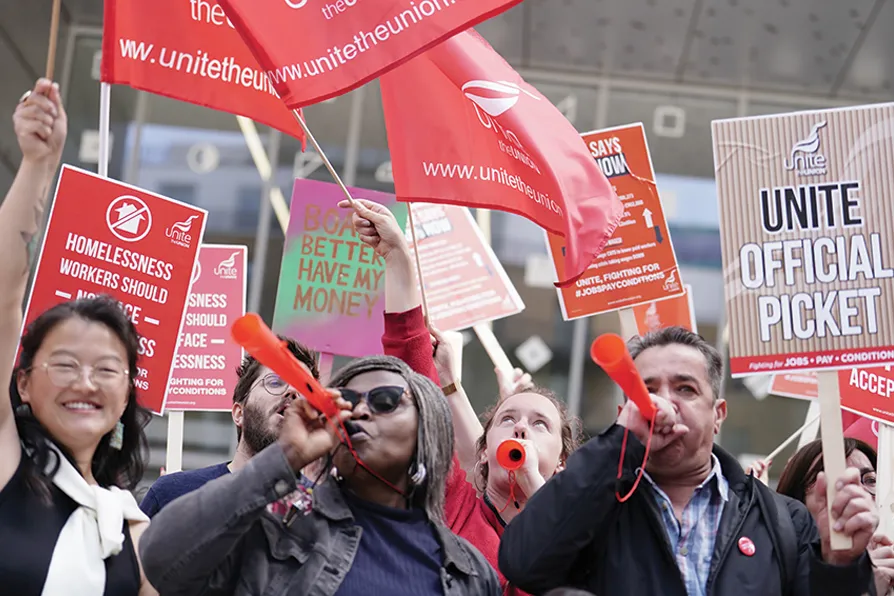
The unions are unhappy with the Employment Rights Act 2025 and with good reason. KEITH EWING and Lord JOHN HENDY KC take a close look at why the Bill promised more than it delivered

Labour’s long-promised Act has scraped through the Lords. While the law marks a step forward, its lack of collective rights leaves workers short-changed — and sets the stage for a renewed campaign for an Employment Rights Bill #2, argues TONY BURKE