Ron's rages are sincere and — according to his wife — healthily cathartic. But can these splenetic outbursts loosen the grip of capitalism at its most monstrous?


Here’s the story, Doc
JONATHAN TAYLOR is moved by the plea to replace mechanistic medicine with a ‘narrative’ approach based on imagination and humanity
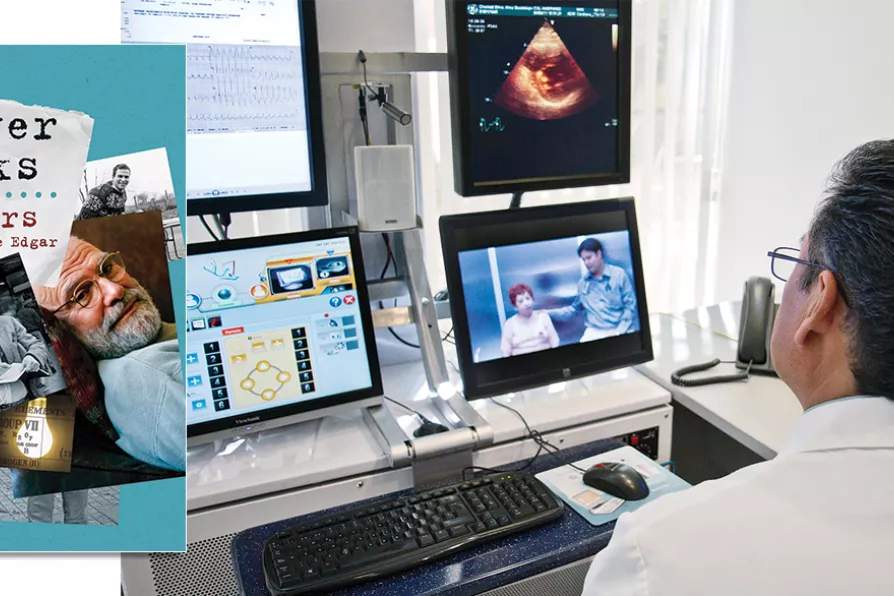
 BEST OF BOTH WORLDS: Cardiologist Juan Manuel Romero at a hospital in Ciudad Obregon in Sonora, Mexico, takes part in pre-op consultation with a patient and her doctor 400 miles away in La Paz, Baja California. Telemedicine does help deliver care to patients in rural and remote locations across Mexico.
[Intel Free Press/CC]
BEST OF BOTH WORLDS: Cardiologist Juan Manuel Romero at a hospital in Ciudad Obregon in Sonora, Mexico, takes part in pre-op consultation with a patient and her doctor 400 miles away in La Paz, Baja California. Telemedicine does help deliver care to patients in rural and remote locations across Mexico.
[Intel Free Press/CC]
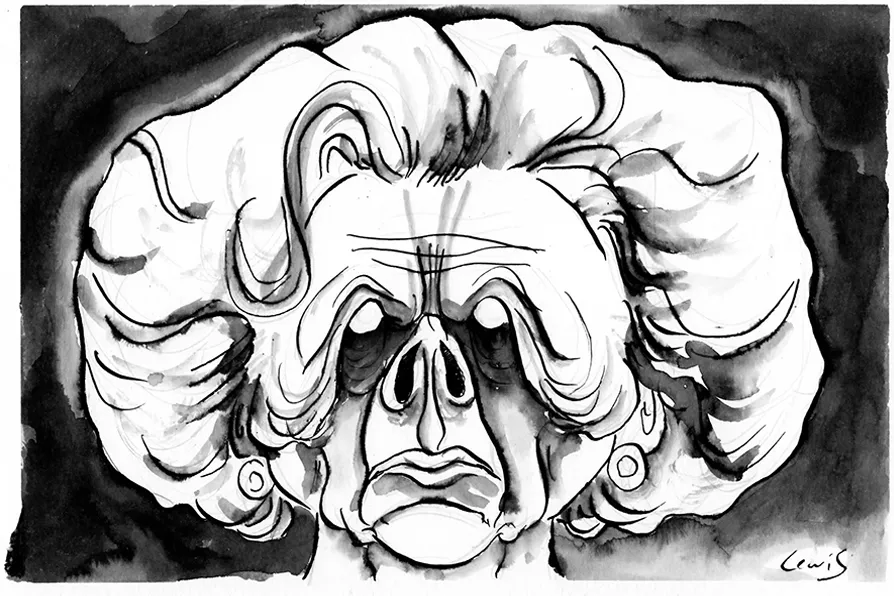
ANGUS REID considers the power of the podcast as a vehicle for consensus building in opposition to mainstream media narratives
GLENN FOSBRAEY recommends a biography worth reading for both existing George Michael fans and those yet to be converted
FRANCIS DEVINE introduces a new collection of essays that draws on Pease McKenna’s example to indicate future paths for the movement
KEVIN DONNELLY and MARIA DUARTE review Shoot the People, The Last One For The Road, Rosebush Pruning, and Moana
JAMES WALSH recommends an exceptional documentary about the experience of Western doctors in Gaza




Oliver Sacks, Letters,
ed. Kate Edgar, Picador, £30
THROUGHOUT his life, the great neurologist Oliver Sacks emphasised the human aspect of medical practice.
Often faced with the most debilitating and apparently dehumanising conditions, Sacks demanded that doctors stopped seeing their patients as “bodies” and instead met them as “human beings”: “We must come down from our position as ‘objective observers’,” he wrote in his famous work Awakenings (1973), “and meet our patients face-to-face; we must meet them in a sympathetic and imaginative encounter.”
This ideal of medical practice runs as a kind of refrain, or perhaps on-going quest, throughout Sacks’s fascinating Selected Letters, brilliantly edited and contextualised by Kate Edgar. Over and over, he rails against the dominant mechanical models of diagnosis, seeking to replace them with something more human.

Similar stories
CAL McBRIDE relishes the lyrical truth of an unstable identity in an over-tidy and conventional social realist treatment
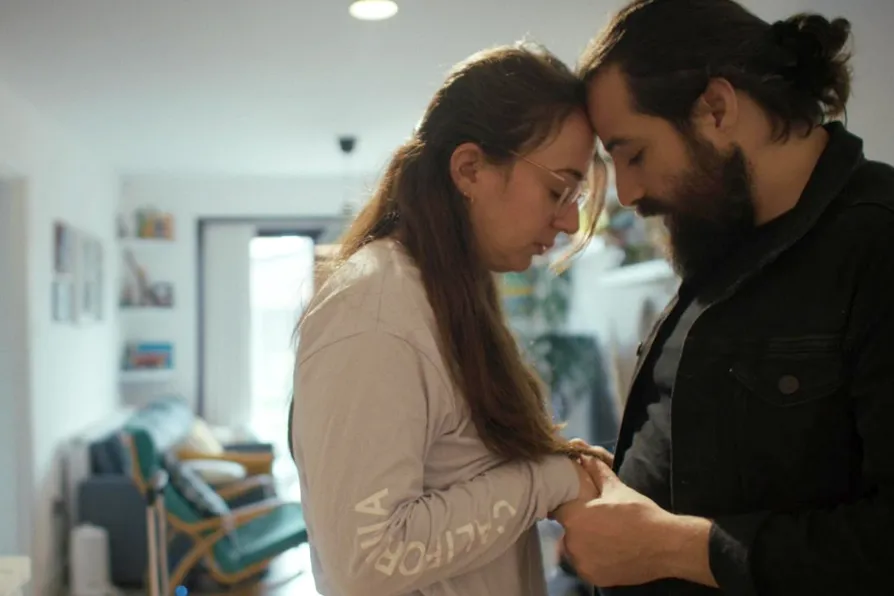
ANGUS REID recommends a very unusual documentary: a love story between two disillusioned journalists
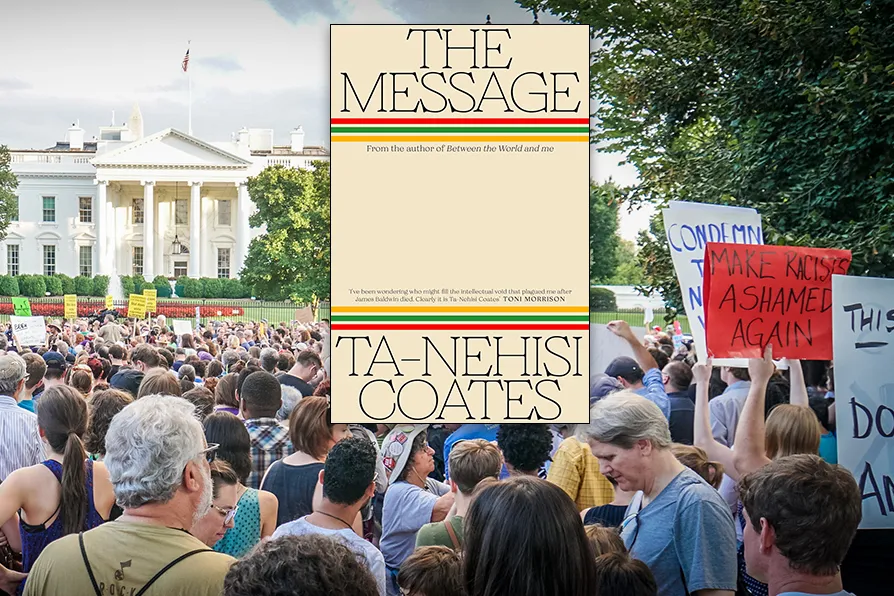
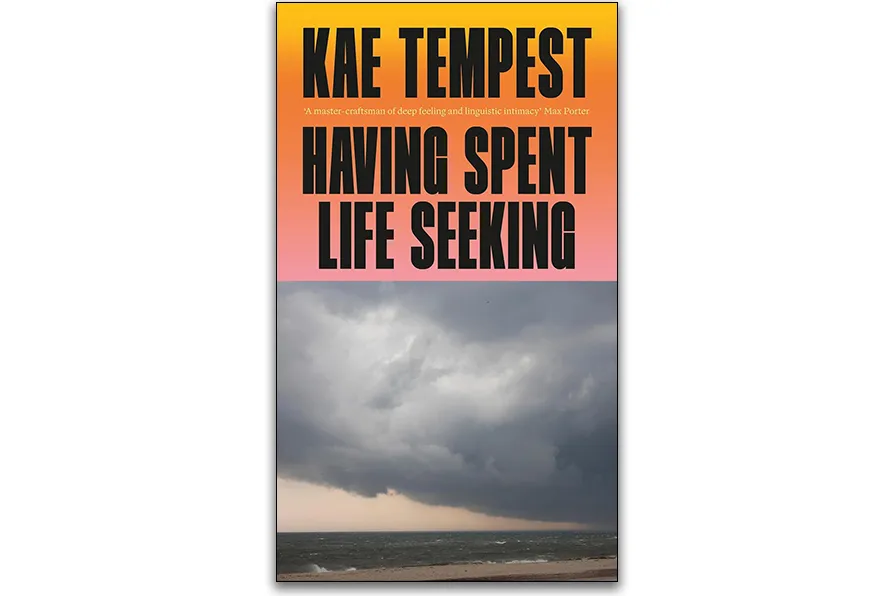
HENRY BELL welcomes a fine demonstration of the need to love the words themselves in the communication of political messages
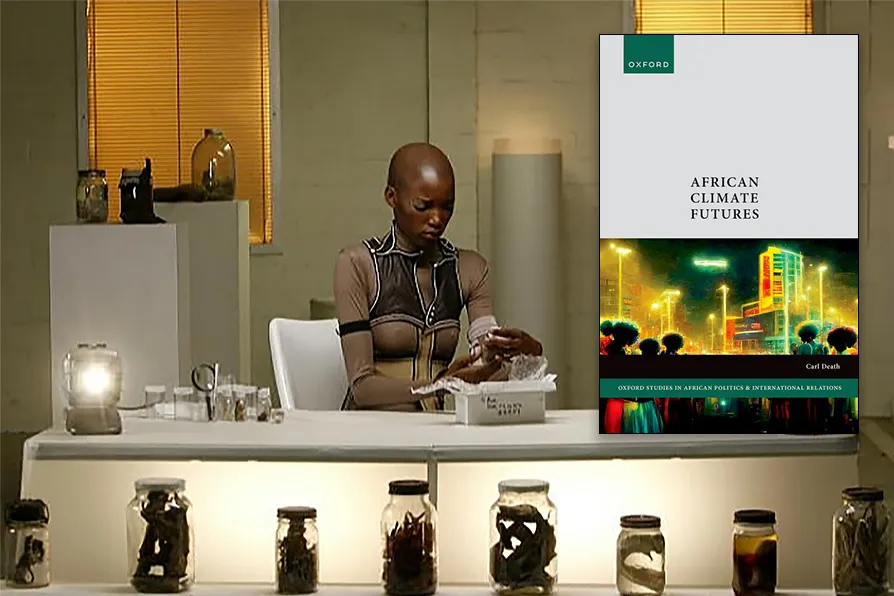
CARL DEATH introduces a new book which explores how African science fiction is addressing climate change