

 Latest editorial
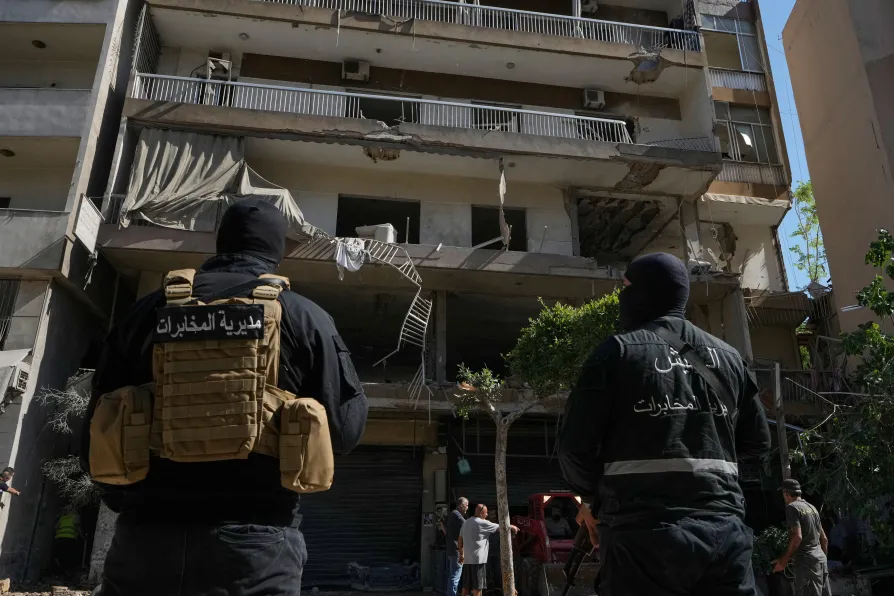 HIT: A burnt-out apartment after Israel’s air strike in Dahiyeh, Beirut
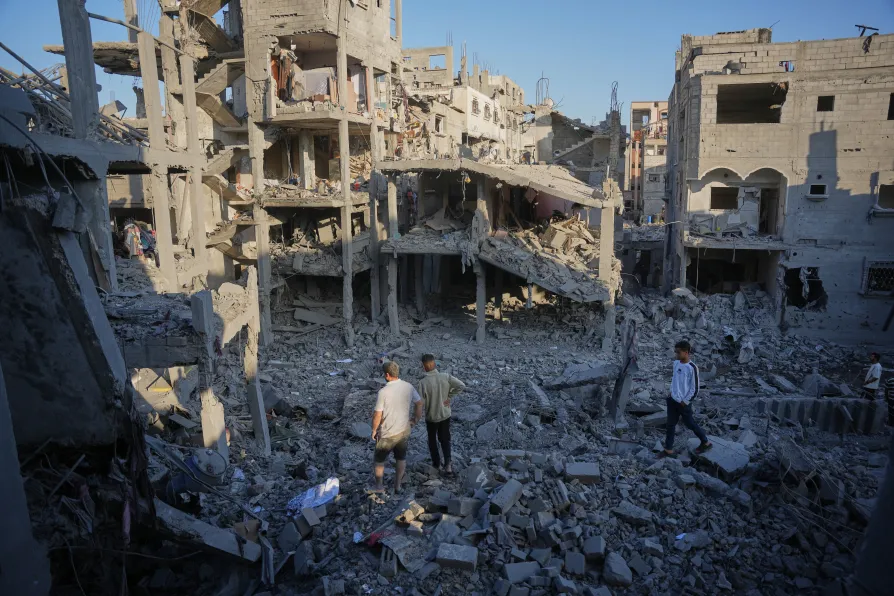



THE Israeli military said it launched air attacks today on what it claims was Hezbollah infrastructure.
This comes despite continuing efforts to negotiate an end to the illegal and unprovoked war Israel and the United States unleashed against Iran.
The strikes threatened to hamper negotiations over a deal, which in its current form has openly been characterised as a deep disappointment by Israel’s government.
The last time Israel struck the Beirut suburbs a week ago, it set off the most serious escalation of fighting between Iran and Israel since the tenuous ceasefire took hold April 7.
The office of Israeli Prime Minister Benjamin Netanyahu said that the strikes were in response to Hezbollah attacks on the north of the country.
Israel’s military said earlier in the day that Hezbollah had launched three projectiles into northern Israel, releasing footage where an audible boom was followed by a column of smoke rising above the tree line.
Israel has been sidelined in negotiations led by Pakistan and others.
“Israel will not tolerate firing into its territory,” a statement from Mr Netanyahu and Defence Minister Israel Katz said today.
There was no immediate comment from Hezbollah.
Qatari mediators traveled to Tehran today to finalise the agreement, according to two regional officials.
The officials expressed cautious optimism that Iran and the US were edging towards an agreement that could halt hostilities which have killed thousands of people and reopen the Strait of Hormuz, whose closure has sent oil prices soaring and the world economy into disarray.
US President Donald Trump and Pakistani Prime Minister Shehbaz Sharif said on Saturday that the deal would be signed today, while Iran’s foreign ministry spokesman Esmail Baghaei said it could happen in the coming days.
President Trump claimed that the Strait of Hormuz would open immediately after the signing.
The deal is expected to be signed electronically, without an in-person ceremony.
The deal does not solve the thorniest issues between Iran and the US, including Iran’s nuclear programme or its frozen assets.
Instead, it offers a 60-day framework for technical discussions on those issues, according to regional sources.
Under the current deal, the US and Israel appear to have fallen short of their original goals of destroying Iran’s missile and nuclear programmes and ending its support for proxies.
Posting to social media President Trump said “when all is calm,” the US would go in and “down blend and destroy” the enriched uranium in Iran or in the US.
