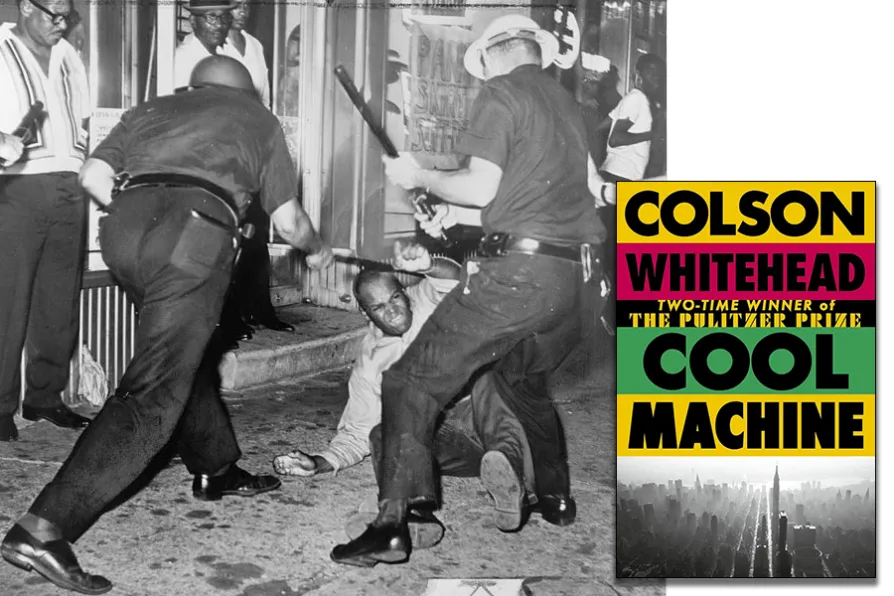
DOUGLAS FIELD relishes the hard-boiled language, satire and humour of the third and last of the Harlem trilogy


 Latest editorial
John Pilger’s mastery of the documentary essay
ANGUS REID reflects on John Pilger's late films as a popular form of political cinema
STEPHANIE BROWN draws attention to the hidden labour of the female embroiderers, and how a 19th century replica made no such error
MIK SABIERS revels in a band that ploughs an idiosyncratic furrow of expletive laden, guitar-driven alt rock
ANDY HEDGECOCK, MARIA DUARTE and ANGUS REID review Synthetic Sincerity, Our Hero, Balthazar, Heartstopper Forever, and A Year In London
The bard invites readers to a gig, raps for Clacton, and lays out the Burnham-Hurzeler conundrum
RON JACOBS recommends an important book that enhances the oppositional theories put forth by Fanon and, in doing so, remakes psychology itself




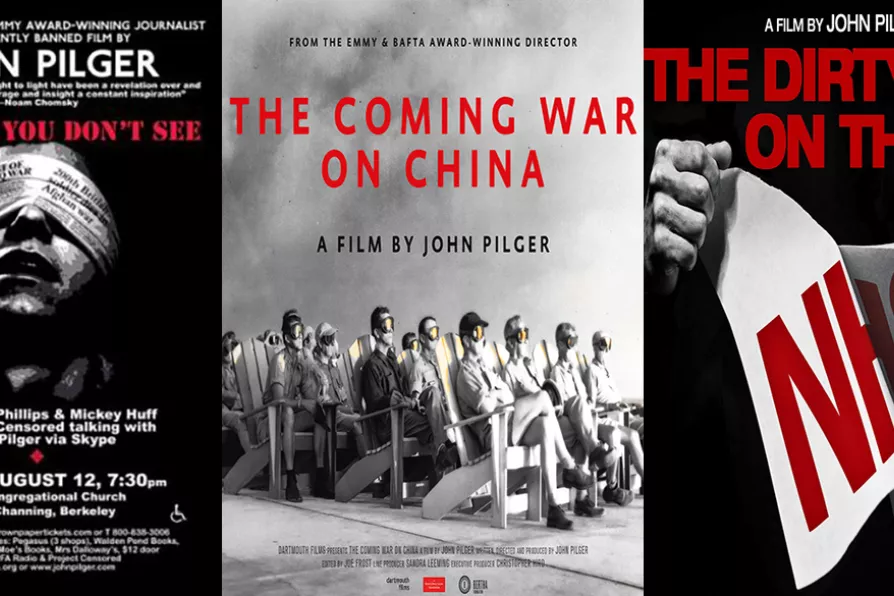
IN 2007 John Pilger, after four decades of producing reportage films for TV, created his first film for cinema, The War on Democracy, and began a series of feature films for cinema that built on his achievement as a journalist and political writer, and surpassed it.
To embrace the longer form allowed him to change his relationship to the viewing public, from one that reported information towards a radical critique of capitalism from within, focusing on the abuse of power, the elimination of human rights and the inevitable tendency towards war.
There are five great films in this late, mature burst of creativity, all of them free to watch on his website johnpilger.com, and they demonstrate the political usefulness of the documentary essay as a form, unlike journalism, that can project analysis into the future and remain relevant beyond the date of production.

Similar stories
RITA DI SANTO talks to Scottish-Irish filmmaker MARK COUSINS about his new panorama of world cinema The Story of Documentary Film
RITA DI SANTO takes us through the prize winners, and takes the temperature of a festival that prioritised narratives of exile, state violence and class division
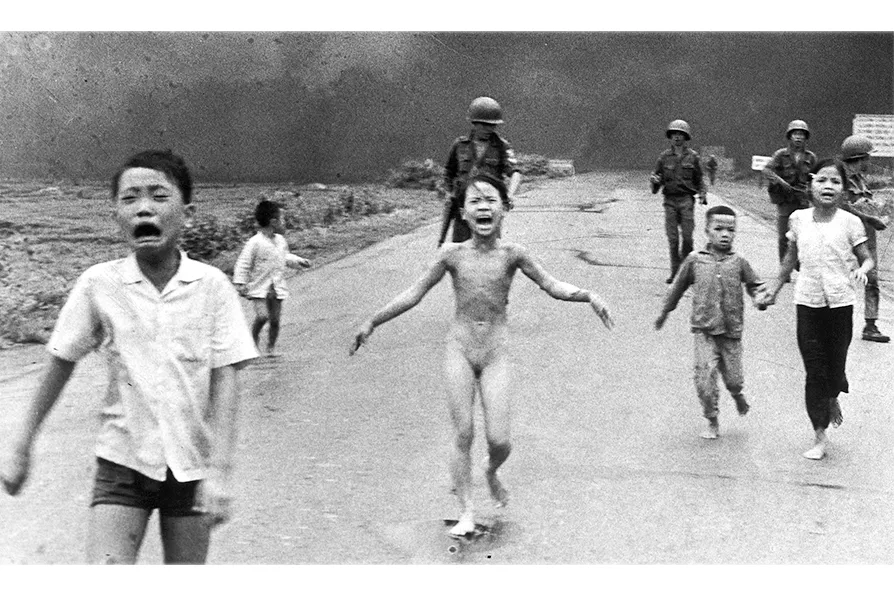
If true, the photo’s history is a damning indictment of the systematic exploitation of non-Western journalists by Western media organisations – a pattern that persists today, posit KATE CANTRELL and ALISON BEDFORD
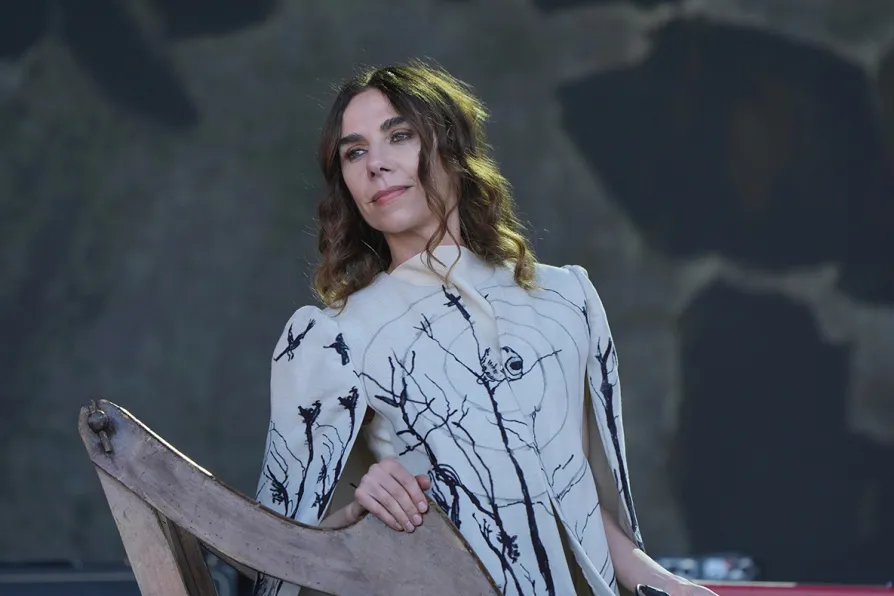
On January 2 2014, PJ Harvey used her turn as guest editor of the Today programme to expose the realities of war, arms dealing and media complicity. The fury that followed showed how rare – and how threatening – such honesty is within Britain’s most Establishment broadcaster, says IAN SINCLAIR