Extreme heat is now one of the defining public health challenges of a warming world, explains Prof IAN WILLIAMS


 Latest editorial
Labour must seize its second chance
Burnham’s Makerfield triumph offers the party the opportunity to reconnect with working people, but only if it rejects business as usual, says CAROL MOCHAN MSP
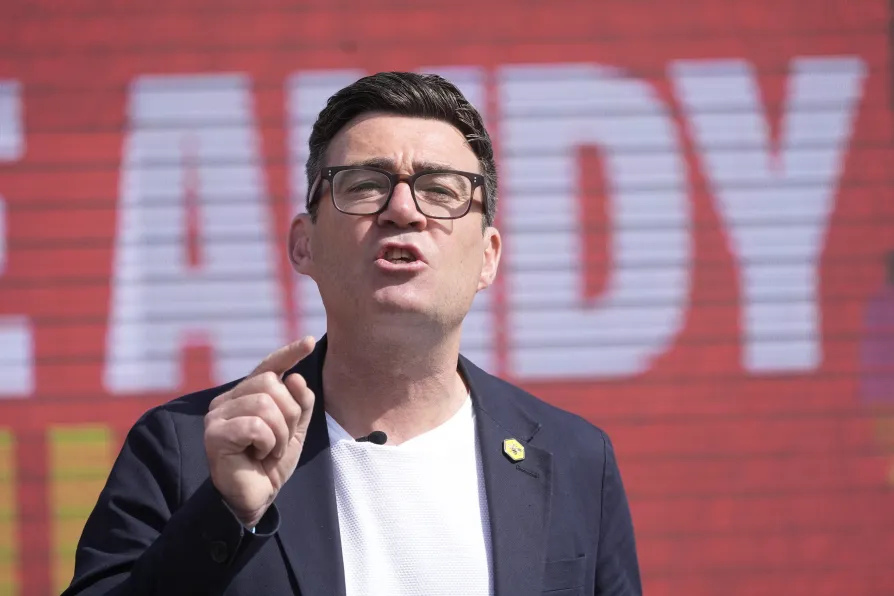 Andy Burnham makes a speech at the launch of his campaign as Labour's candidate for the Makerfield by-election during a press conference at Stubshaw Cross Community and Sports Club in Ashton-in-Makerfield, Greater Manchester, May 22, 2026

19.01.1930-23.04.2026
Kate Clark pays tribute to Ricardo, whose life spanned the hopes of Allende’s Chile, the horrors of military dictatorship and decades of campaigning for justice in exile
The electoral cost of Labour’s stance on Gaza is impossible to ignore – the new leadership must take heed, argues PETER LEARY
After the dismissal of union representatives and years of precarious working conditions, Kimpton Clocktower workers are drawing a line, writes THOMAS BELL
KIERA MARSHALL says there is a gulf between the privileged circles in which most politicians move and the lives of working-class youth in left-behind estates – and as a newly elected Senedd member she’s determined to do something about it




ANDY BURNHAM’S victory at the Makerfield by-election has presented itself as a unique opportunity to inspire hope in the Labour Party and British politics once again.
But if this victory is truly to represent the turning point that many hope it can be, Burnham must be prepared to make bold and meaningful decisions that create a vision and tell the story of the hopes and aspirations of a UK Labour government and what it can achieve. A fundamental shift in the party is the only hope of improving its chances of regaining favour with the British electorate.
While there is hope that Burnham can bring about the change the party desperately needs, many uncertainties and unanswered questions remain around what a potential Burnham UK Labour government would look like and, more crucially, who will play a key part in delivering his vision for the country.
The appointment of his Cabinet, chief of staff and close circle of political advisers is the first consequential decision Burnham will make at the start of his premiership as prime minister.
Recent media reporting would suggest that Burnham is happy to refill the Cabinet with old faces to pacify the right of the party. Whispers of characters like Shabana Mahmood and Josh Simons making an appearance in a Burnham government do nothing to reassure the left of Burnham’s supposed progressive agenda, while the appointment of James Purnell as his chief of staff is deeply concerning.
These appointments will be pivotal in reshaping the political agenda and determining the overall vision of a Burnham government. The left has outlined its terms and hopes for a Burnham government that taxes wealth, facilitates public ownership, furthers workers’ rights and ethical foreign policy that condemns the actions of Israel.
If Burnham truly wishes to detach himself from Starmer’s record and offer a different politics than before, the left’s agenda creates a blueprint to achieve this. Nationalisation, wealth taxes and a shake-up of the current fiscal landscape are, in my view, the only hope Labour has in rebuilding support and reconnecting with the electorate.
Resetting the political landscape at a Scottish level will involve repairing leadership and institutional relationships between Westminster and devolved nations. Burnham has expressed enthusiasm for a shakeup of devolution and has previously made clear his desire to shift power away from Westminster and the UK’s framework of financial centralisation. Good working relations with devolved governments will be imperative to this agenda, and any decisions made need to ensure that the Scottish electorate are brought with us.
Burnham will know more than most that our electoral challenges do not stop at the border. Scottish Labour recorded its worst-ever performance in May, and Burnham’s agenda will be critical to our party’s future. Our defeat in May was made inevitable not only because of Starmer’s unpopularity on the doors, but also because of our lack of a clear message to Scottish voters for what a Scottish Labour government would stand for and how we would make their lives better.
Scotland needs a refreshed alternative on the left that the SNP and Greens have failed to offer, but so far, Scottish Labour has failed to do so. Burnham’s election as an MP and prime minister could be the catalyst for change.
A lot can happen in two-and-a-half years, and the chance of Burnham as party leader offers a fortunate and unique opportunity to reset the government’s agenda, turn things around, and instil a sense of hope in voters that has been missing in recent years.
Burnham’s by-election victory was arguably the most consequential British by-election in modern politics, and as we have seen, it represents far more than a constituency win. It represents a successful fight against right-wing populists, who only six weeks prior had won all eight council wards in the Makerfield constituency in the Wigan Council election. It represents a stance against the current status quo and political agenda. It represents hope and the possibility that Labour can win once again.
The past two years have shown us that the plan for change is not working, and that the government’s agenda and tactics of appeasing to Reform fails to fundamentally tackle the core issues at stake.
The monumental swing of Labour votes and subsequent decrease of Reform votes in the Makerfield by-election demonstrates how Reform can be beaten with the right strategy and integrity. Burnham demonstrated how a campaign run on hope and aspiration can be far more impactful than a campaign which seeks to isolate and divide.
For now, it appears the Burnham has begun to tell his story of a progressive, leftist government that prioritises ambition, hope and tolerance. Let’s hope that his vision and government agenda are backed by socialist policies which only work to serve working people, communities and collective society.
Carol Mochan is Scottish Labour MSP for South Scotland Region.

Similar stories
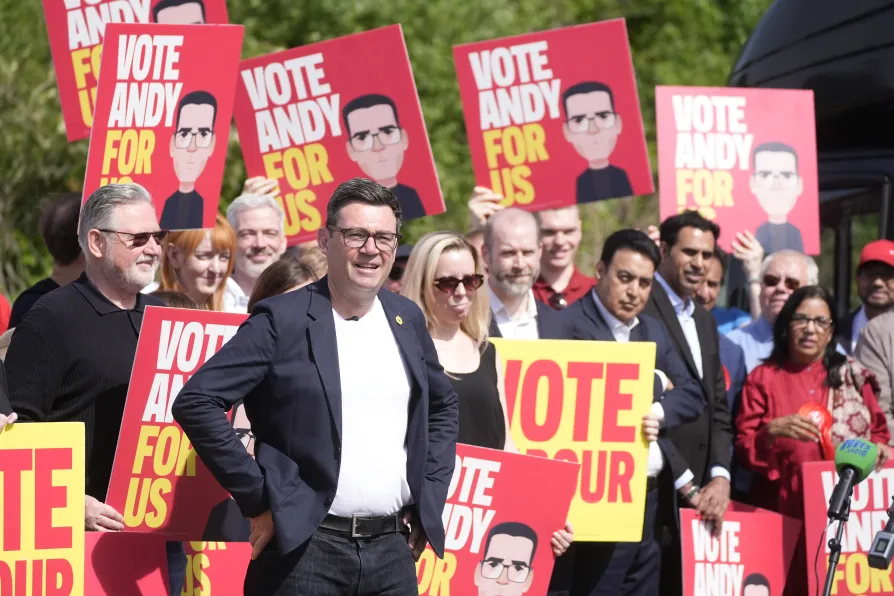
Burnham launches his campaign to return to Westminster
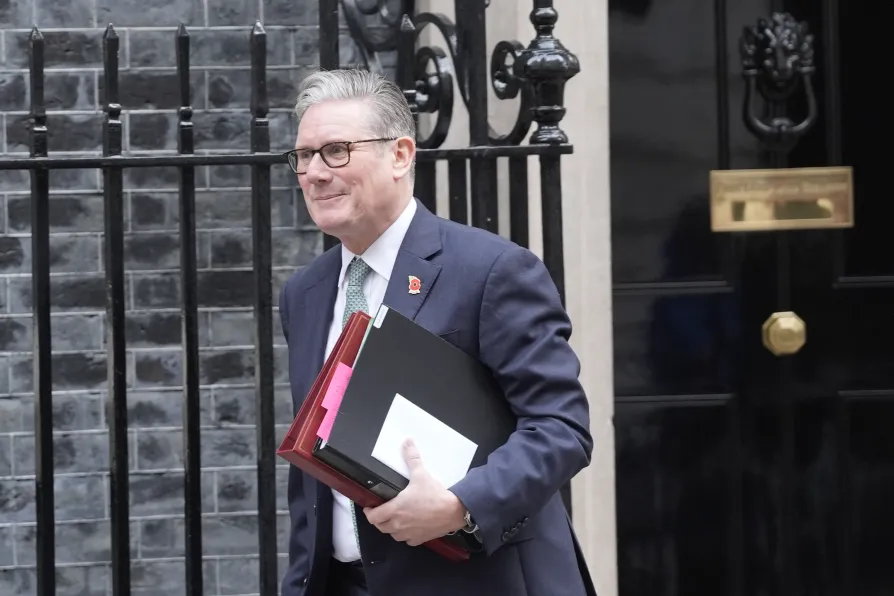
As the PM and his chief of staff’s blunders have mounted up, ANDREW MURRAY wonders who among Labour’s diminished ‘soft left’ might make a bid for the leadership

While Reform poses as a workers’ party, a credible left alternative rooted in working-class communities would expose their sham — and Corbyn’s stature will be crucial to its appeal, argues CHELLEY RYAN