

 Latest editorial





NHS trusts risk being mired in lengthy legal cases defining what a “political badge” is, warned unions after Lord John Mann’s review into antisemitism was published today.
The government’s independent adviser on antisemitism said that NHS staff should not wear political badges at work or take part in political marches while wearing uniform, describing badges professing support for Palestine or Israel as “a problem” in the NHS.
The Department of Health and Social Care accepted the recommendation for a national policy across the NHS on uniform and said the guidance will be published “in due course.”
Unison head of health Helga Pile said: “The review of NHS uniform guidance raises a number of questions and concerns that can’t be answered until it becomes clearer what’s being proposed.
“There are complex legal issues here including staff rights under the Equality Act and human rights legislation.
“There’s a real risk precious time and resources will be spent trying to define a political badge and what staff can wear in their own time.
“No-one wants NHS trusts to be mired in lengthy litigation. This could become a costly distraction from the vital work needed to challenge racist behaviour head-on.”
The Royal College of Nursing (RCN) recently revealed a 78 per cent increase in incidents of racist abuse reported by nursing staff over the last four years.
Its general secretary, Professor Nicola Ranger, welcomed the “renewed focus on tackling antisemitism and all forms of racism” in the NHS.
“It’s absolutely essential that staff are safe at work, but the reality is racism in the NHS is on the rise, as is violence, aggression and sexual harassment. That these behaviours have become so normalised is alarming,” she added.
Just as important as new national guidance to support employers tackle racism is a “commitment from ministers to hold health leaders accountable for rooting it out and making their workplaces safe.
“Key to that will be introducing a standardised method of recording incidents of racial abuse. We cannot hope to stamp out racism in our health service without knowing its true scale or whether any actions are having an impact.
“The true test of these measures outlined today will be if staff and patients alike start to feel safer and more welcome in our NHS.”
BMA deputy chair of council Dr Emma Runswick said: “The BMA agrees on the need to combat abhorrent antisemitism and racism that patients and doctors face in the NHS. The NHS must be inclusive and patients should not fear disclosing their religious identity. We support the review’s recommendations for improved training, monitoring, and shared principles.
“However, some recommendations in this review are deeply concerning. Independent medical tribunals already have powers to suspend doctors and have done so on several occasions based on racist incidents. The Professional Standards Authority (PSA) already has the power to appeal tribunal decisions which it feels do not go far enough to protect the public. We therefore strongly oppose the proposal that the GMC should retain its duplicate power of appeal and gain additional appeal rights. This is unnecessary and will reinforce fear and distrust of the regulator by the profession.
“We are also concerned by the review’s assertion that there should be a restriction on NHS staff displaying political identifiers while at work. Many symbols that could be deemed ‘political’, such as pride symbols, trade union or professional symbols, the Welsh flag, Ukraine and other international flags, demonstrate to patients and colleagues that we are safe, have shared languages, shared values, or are prepared to celebrate our diverse staff and patient populations. A blanket ban on all symbols that could be construed to express a belief would go too far.
“Then there is the question of who gets to decide what counts as political. The review recommends both updated NHS national guidance on uniform and that employers develop local policies about what is acceptable, but gives no recommendation on what happens if these don’t align. We are concerned that employers will take differing views about what is acceptable, leaving doctors and other healthcare staff without the clarity they need. Any new guidance must be consistent across the country, be aligned to NHS national guidance, and must clearly distinguish legitimate expression from misconduct.
“A nationally consistent and clear approach is needed to ensure patients know what to expect when accessing the NHS and staff know what is expected of them. We would welcome the opportunity to engage with the NHS on developing such an approach as they update their guidelines following this review.”

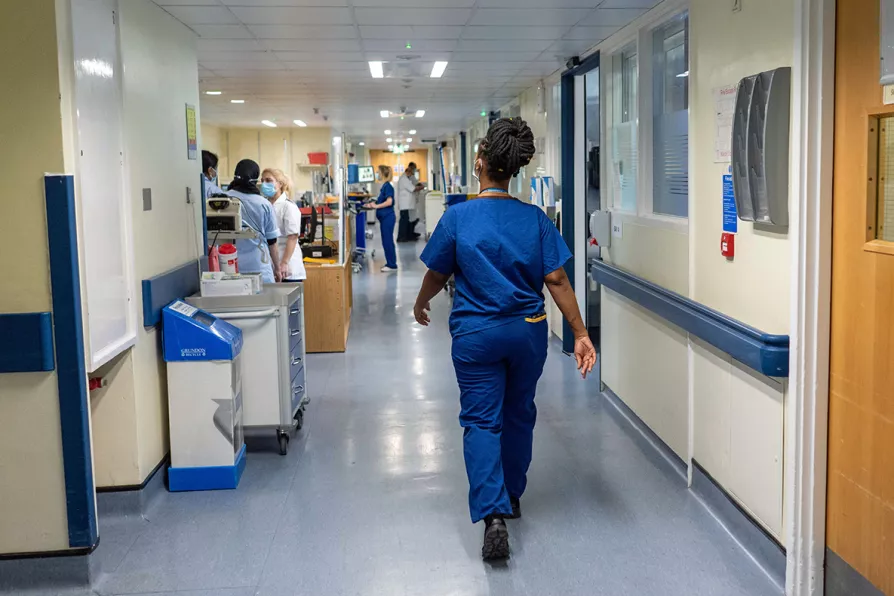
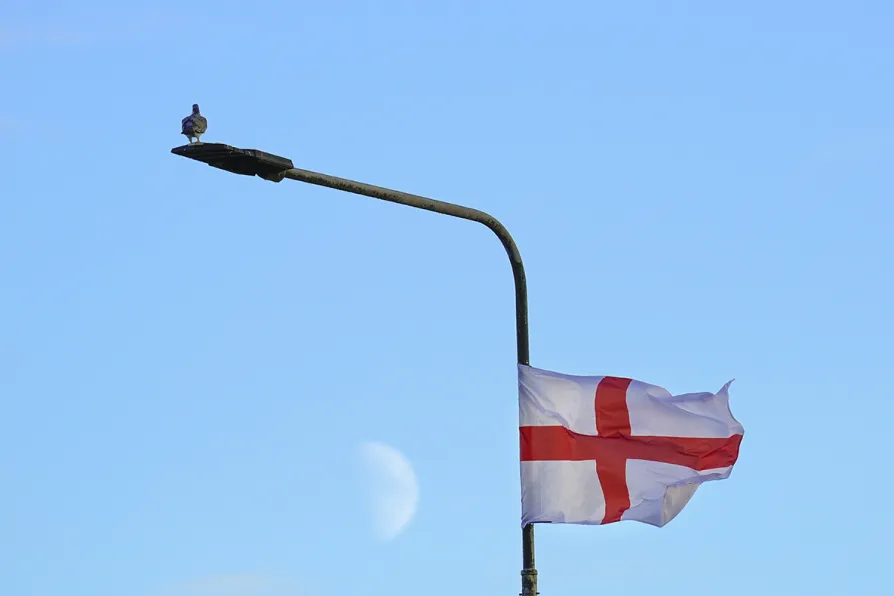
Health leaders caution that flags put up by far-right activists are creating 'no-go zones' for NHS staff
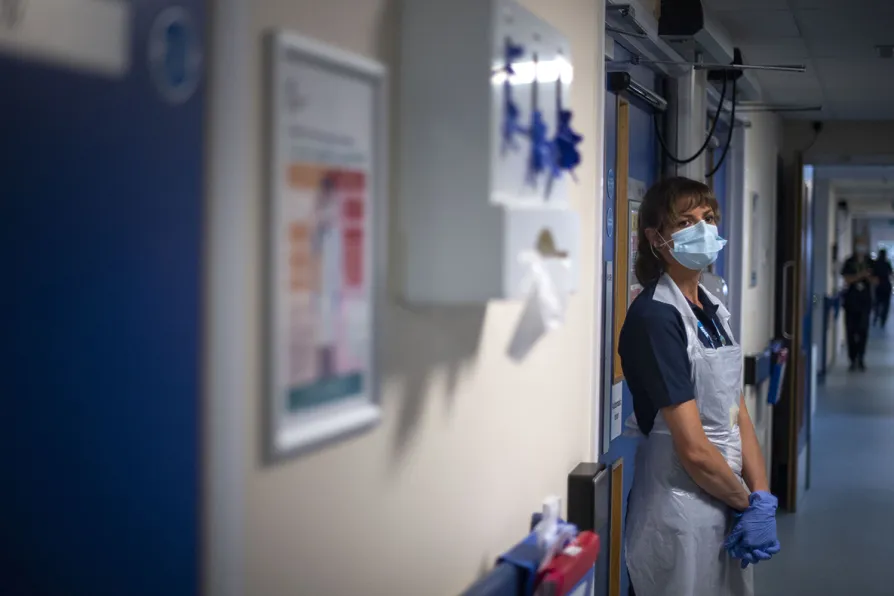
Government urged ‘to tackle the root causes’ of the NHS crisis and improve ‘social care services’
