

 Latest editorial
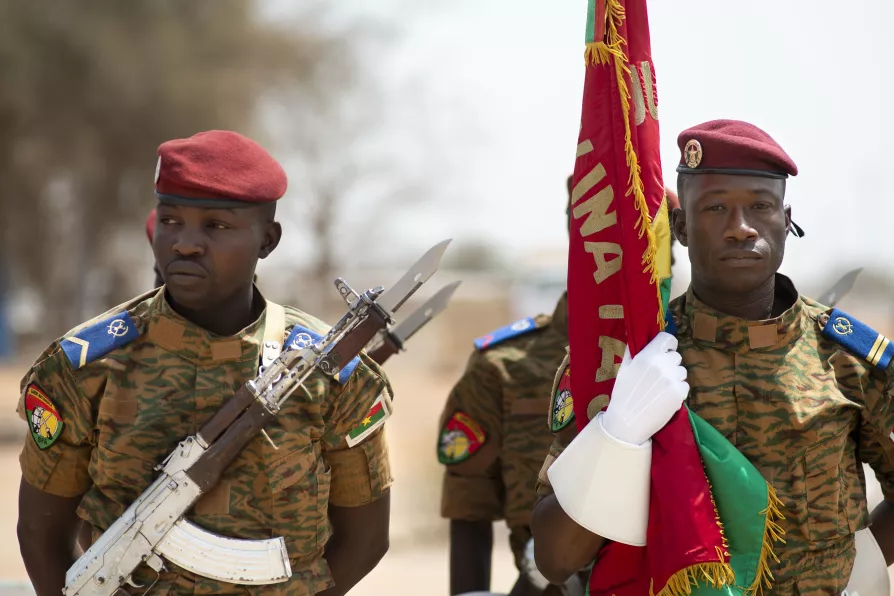 The Burkinabe honor guard in Ouagadougou, Burkina Faso after Flintlock 2019 which brought together troops from the G5 Sahel
[Public Domain / U.S. Navy]
The Burkinabe honor guard in Ouagadougou, Burkina Faso after Flintlock 2019 which brought together troops from the G5 Sahel
[Public Domain / U.S. Navy]
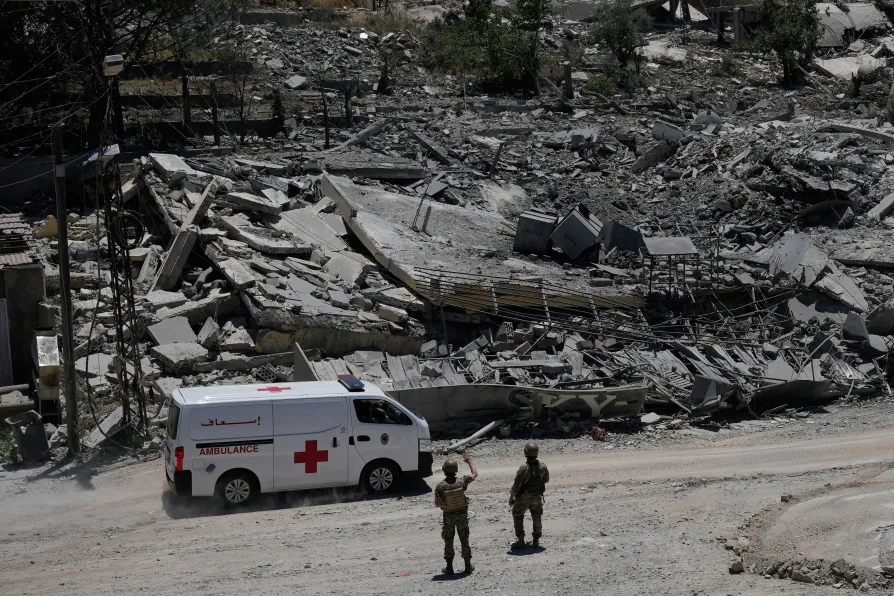




NIGER and Burkina Faso announced their withdrawal from the G5 military bloc of west African states today.
The two countries follow the example of Mali, which like them is governed by a military junta opposed to French colonial influence in the Sahel region. Mali left the G5 last year.
The bloc was set up in 2014 alongside France’s announcement of Operation Barkhane, a military mission tasked with battling Islamist terrorist groups that spread across the region following Nato’s war against Libya.

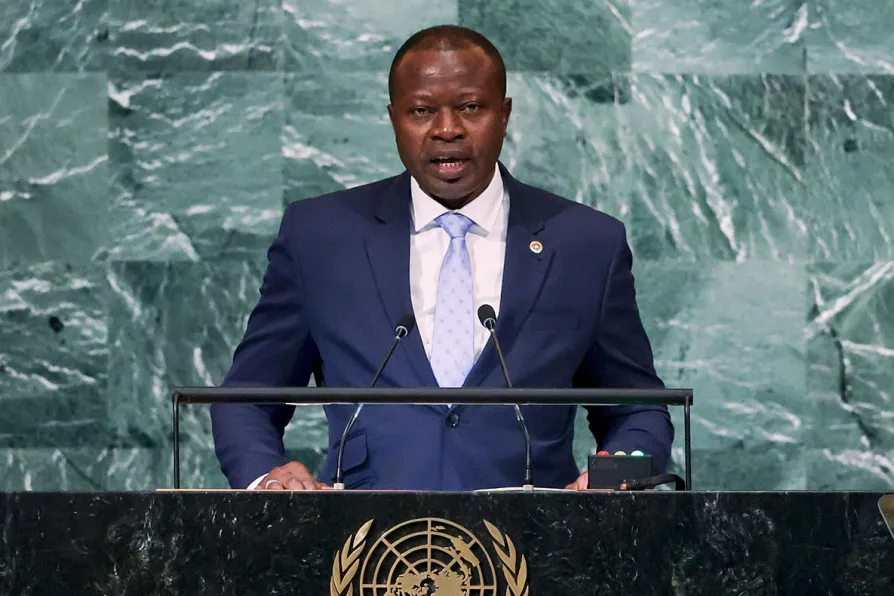
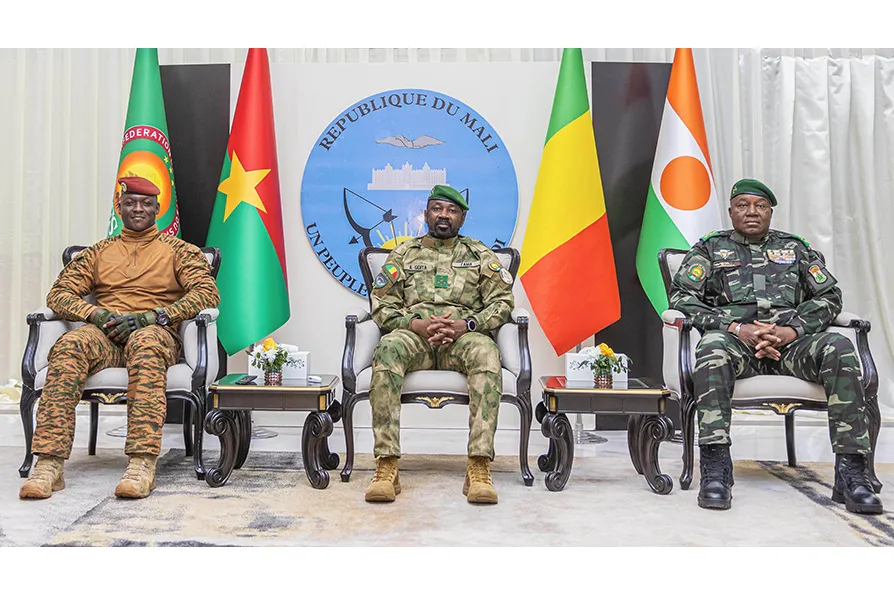
NICHOLAS MWANGI highlights a historic turning point in Sahelian sovereignty, as Burkina Faso, Mali and Niger bolstered their regional security through a unified military force
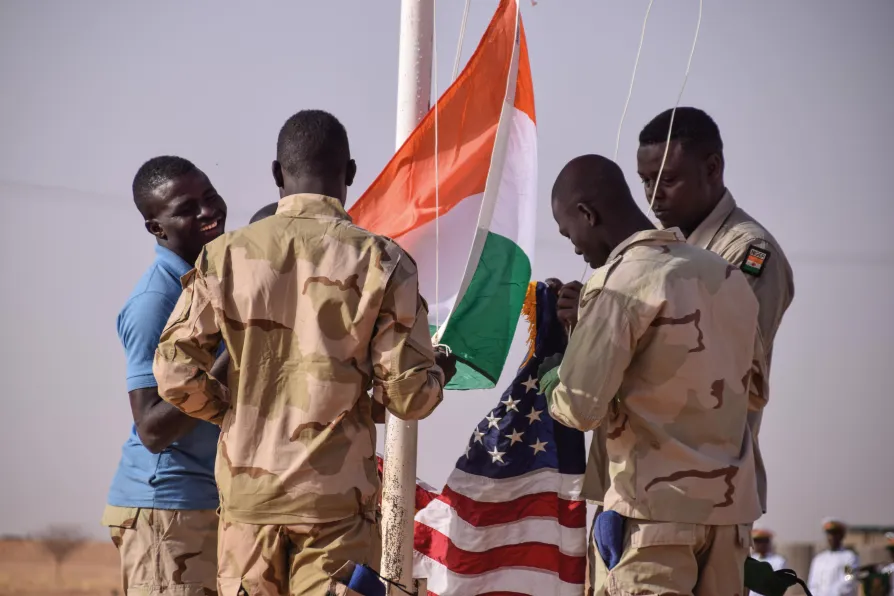
ROGER McKENZIE reports on the west African country, under its new anti-imperialist government, taking up the case for compensation for colonial-era massacres