IAN LAVERY MP warns that decades of neoliberal policies have left former industrial communities behind — but a renewed Labour commitment to working people could change the political landscape


No more cover-up: Orgreave demands answers
The public inquiry is the result of more than a decade of determined campaigning. Now, those who fought for justice want the full story of government involvement and police conduct to be told, says KATE FLANNERY
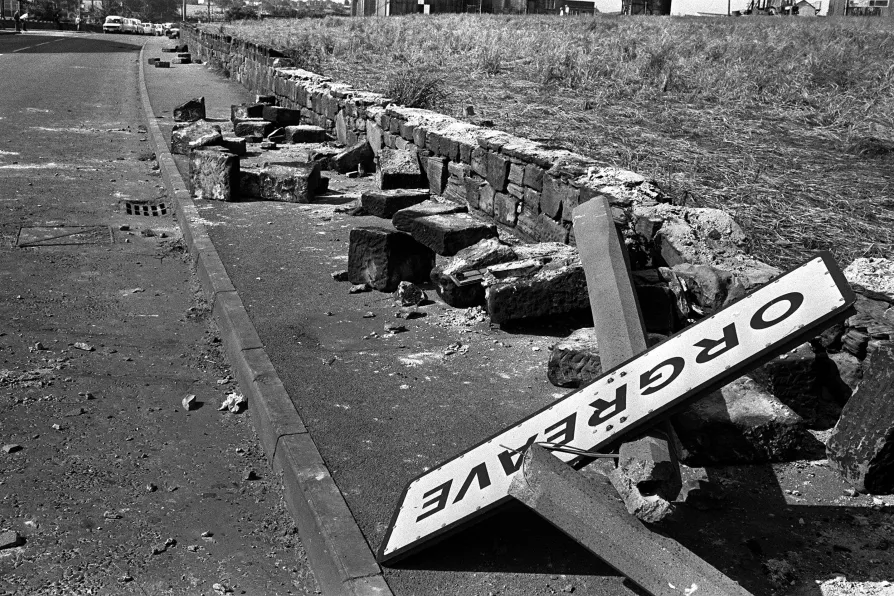
 BITTER END: File photo at Orgreave dated June 18 1984
PAOLO SANTALUCIA reports on how an Italian region defies US pressure to end a Cuban doctors programme
HENRY FOWLER outlines the GFTU’s new 2026-27 education programme and argues that investing in trade union education is essential to building worker power, developing leaders and strengthening collective action
We need a government that invests in saving lives not destroying them, argues SOPHIE BOLT
More expensive by weight than gold, saffron is surprisingly simple to grow. MAT COWARD explains
The Durham Miners’ Gala is a celebration of working-class culture, but also a call to action — to rebuild workers’ collective strength, says KIM JOHNSON MP




TODAY we really look forward to meeting up with comrades and friends, old and new and marching with our banners together to the wonderful sound of the brass bands.
The Durham Miners’ Gala — The Big Meeting — is a wonderful day celebrating miners, mining communities, unity, comradeship and the strength and resilience of our movement, reaffirming the importance of love and solidarity and commitment to the class struggle.
It is a day to show our determination for truth and justice for the miners treated brutally by the state in the 1984-5 miners’ strike. We also remember the incredible gains and employment rights that the National Union of Mineworkers (NUM) fought long and hard for and won for the workers who powered Britain and the rest of the world.
This year we celebrate the start of the Orgreave Inquiry which was announced in July 2025 and launched in March 2026. Thank you to everyone who has supported this campaign. We could never have done it without your solidarity and support.
Now that the government has finally set up the Orgreave Inquiry we are relieved that work has begun to start to establish the truth about the Tory government involvement and police conduct at Orgreave on June 18 1984.
The establishment of this inquiry is a victory for our movement after years of dedicated and persistent campaigning. Every Tory government since our campaign started in 2012 has rejected any kind of inquiry but the Labour Party made a manifesto commitment from 2017 onwards that an Orgreave inquiry would be held when they were elected to govern.
It is a scandal it has taken 42 years to happen and we now need to make sure the inquiry delivers the truth and justice so long overdue. This is an important and momentous time and we encourage anyone who was at Orgreave or was involved in organising getting people there or witnessed what happened or was affected by what happened, to contribute to the inquiry.
The Tory government made secret plans to develop a more militarised police force to stifle dissent and smash the British trade union movement, introduce mass privatisation and legislate against workers and human rights.
They had never forgiven the NUM for the victory at Saltley Gate and winning the strike in 1972. Ninety-five striking miners were arrested at Orgreave on June 18 1984 after police in full riot gear with shields, truncheons, dogs and charging horses, brutally attacked miners gathering at the NUM picket at the Orgreave coking plant.
This followed many other arrests and assaults by police at Orgreave on previous days in May and June. The miners, many of them seriously injured, were later charged with either riot or unlawful assembly with threats of a life prison sentence.
Almost a year later when the cases went to trial in May 1985, it became clear that the police had lied in their evidence and that they had perjured themselves in court. The trial collapsed after 48 days of hearings, the prosecution abandoned the case when it was obvious that many officers had large parts of their statements dictated to them. These miners were men who were striking to protect and save their jobs and communities, not just for themselves but for all of us. We owe so much to those who were fighting for the right to work and against the government’s planned vandalism of mass pit closures. They sacrificed everything throughout that year-long strike.
This inquiry is not just about setting the record straight. It needs to ensure that the false narrative perpetuated by government and the media dispels the myth that the miners were the violent ones.
It needs to examine what the police did at Orgreave and why they did it. This will provide a better understanding of the political policing in Britain today and why successive governments have repeatedly sought to increase police powers.
If 95 miners at Orgreave in 1984 endured trumped-up charges of riot and unlawful assembly based on fabricated police evidence, and had to stand trial before being acquitted, what does this say about our legal and political system?
Neither government or the police have ever been held accountable for what they did. The Tories were keen to talk about arrests, the violence of the strikers, mob rule and how those facing trial should face the full weight of the law, and the mass media was keen to repeat this.
Tory prime minister Margaret Thatcher, home secretary Leon Brittan, chancellor Nigel Lawson, trade and industry secretary Norman Tebbitt and many other Tories used the mainstream media to vilify and demonise the miners and the NUM and to recite this over and over again.
The government interference in the miners’ strike and Orgreave emboldened the police to commit terrible acts of cruelty against innocent people throughout the strike and all over Britain and then lie about it and cover up what they did.
This lack of accountability over state-ordered political policing has benefited the government and police and those who are involved in suppressing dissent now. The amount and pace of recent anti-protest and policing legislation is the legacy of Orgreave, the miners’ strike, the political policing and impunity of police brutality.
Current laws are criminalising many peaceful protesters opposing the ongoing Israeli occupation of Palestine, with many being prosecuted and sentenced as terrorists. Has nothing been learned from what the Tory government did to the miners over 42 years ago?
Despite government and police deception, the truth will out. We have seen this with Hillsborough and Shrewsbury among many others. Those campaigners never gave up and neither did we.
We send solidarity to all those who continued their fight for justice. There is plenty of evidence in the public domain to confirm what we have always known, that the policing of the miners’ strike was controlled by the government.
There are still crucial documents that have been embargoed well into the future. Although many papers and files are not going to be released until 2066 and 2071, including the police’s secret manual, the Orgreave Inquiry panel will be able to access them as part of the inquiry. Many documents relating to Orgreave and the miners’ strike have recently been destroyed by Northumbria police and possibly other police forces.
Please come along and say hello to us as we march through Durham and come to our stall in the marquee. We look forward to seeing you.
Kate Flannery is secretary of the Orgreave Truth and Justice Campaign.
Contact the Orgreave Inquiry: website: www.orgreave.public-inquiry.uk; email: [email protected]; write to:
Freepost ORGREAVE INQUIRY.

Similar stories
The Morning Star here publishes a speech that would have been given by Stop the War officer and longtime NEU and NUT activist Alex Kenny on the eve of the verdicts handed to Chris Nineham and Ben Jamal this week. He also explains why he couldn’t give it
A past confrontation permanently shaped the methods the state will use to protect employers against any claims by their employees, writes MATT WRACK, but unions are readying to face the challenge
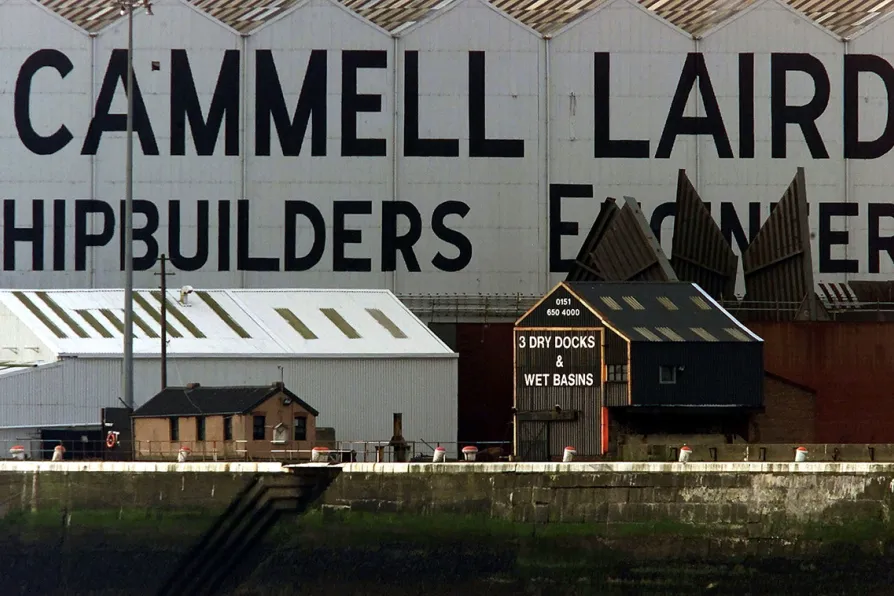
KIM JOHNSON MP places the campaign in the context of the history of the working-class battles of the 1980s, and explains why, just like Orgreave and the Shrewsbury Pickets before it, justice today is so important for the struggles of tomorrow
ANSELM ELDERGILL examines the government’s proposals to further limit the right of citizens to trial by jury