Latest editorial
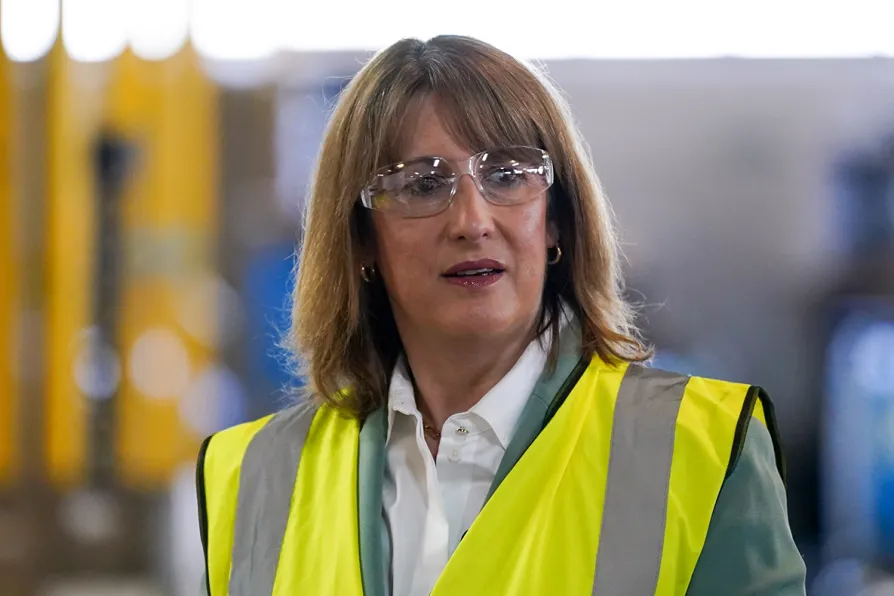 Chancellor of the Exchequer Rachel Reeves during a visit to OES Group Ltd in Gateshead, July 13, 2026





CHANCELLOR Rachel Reeves mounted a desperate defence of her record today as she prepared to exit the Treasury.
Ms Reeves is certain to lose her present job when incoming Prime Minister Andy Burnham forms his cabinet next week, but she is still angling for another senior role.
Burnishing her credentials, she told City bigwigs that the British economy had “beaten the odds” during her time at the helm.
In a remarkable display of bombast given the political disaster of the last two years, all with Ms Reeves’s fingerprints on them, the Chancellor said: “Because of the choices I have made, I’m proud to report that the British economy is strong.
“At the start of this year Britain had the fastest economic growth in the G7. Last year, borrowing fell from 5.2 per cent to 4.3 per cent, its lowest level in six years. Investment is up, productivity is up, and wages are up too.
“Waiting lists are falling faster than at any time in the last 17 years and half a million children will be lifted out of poverty by the end of this parliament.”
She urged her successor — most likely to be Energy Secretary Ed Miliband — to continue with her approach.
“This government has made huge strides in delivering on the promise of change,” she claimed.
“That change is only possible if we maintain the credibility that we have earned, and the stability that we have built, with growth and opportunity in every town, city and region of the UK,” she added in an attempt to echo Mr Burnham’s rhetoric.
In an interview with the BBC, Ms Reeves declined to take responsibility for the worst decisions of the last two years, including the early move to axe winter fuel benefit for millions of older people.
She did acknowledge that “people are impatient for change. I totally get that people want to see their lives changed faster” and urged Mr Burnham to enter Downing Street with a clear plan of action, something she and Sir Keir Starmer notably lacked.
While Ms Reeves was hymning her own praises, Bank of England governor Andrew Bailey was telling a Commons committee that the economy was heading into turbulence.
He said financial risks were higher due to “developments in the world economy and particularly developments in the Gulf.”
Government borrowing costs rose to their highest level in two months today, a sign of the poor inheritance which will greet Ms Reeves’s successor on arrival at the Treasury next week.