

 Latest editorial
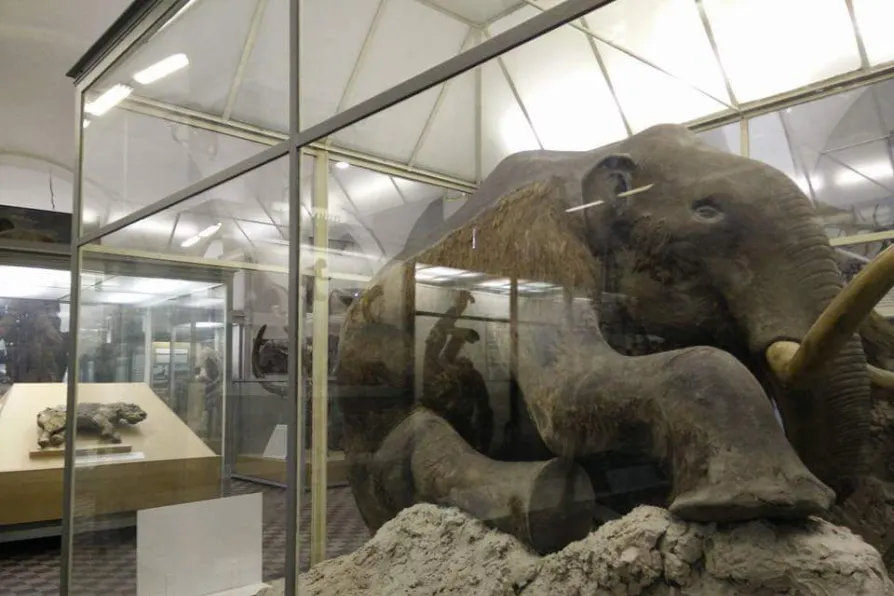 A woolly mammoth in the St Petersburg Natural History Museum. A number of astonishingly well preserved mammoths have been found in the Siberian permafrost




RUSSIAN boffins are engaged in an ambitious project to bring back the woolly mammoth from extinction in a groundbreaking cloning experiment.
Scientists are searching for and studying cells in the remains of well-preserved ancient animals, exploring the possibility of cloning them after they have become extinct.
Experiments are underway in Yakutia, in the Sakha Republic, which could also see the cloning of extinct cave lions and ancient horses in a joint venture with a team from South Korea and Japan.


JOHN GREEN’s palate is tickled by useful information leavened by amusing and unusual anecdotes, incidental gossip and scare stories

BEN CHACKO welcomes a masterful analysis that puts class struggle back at the heart of our understanding of China’s revolution
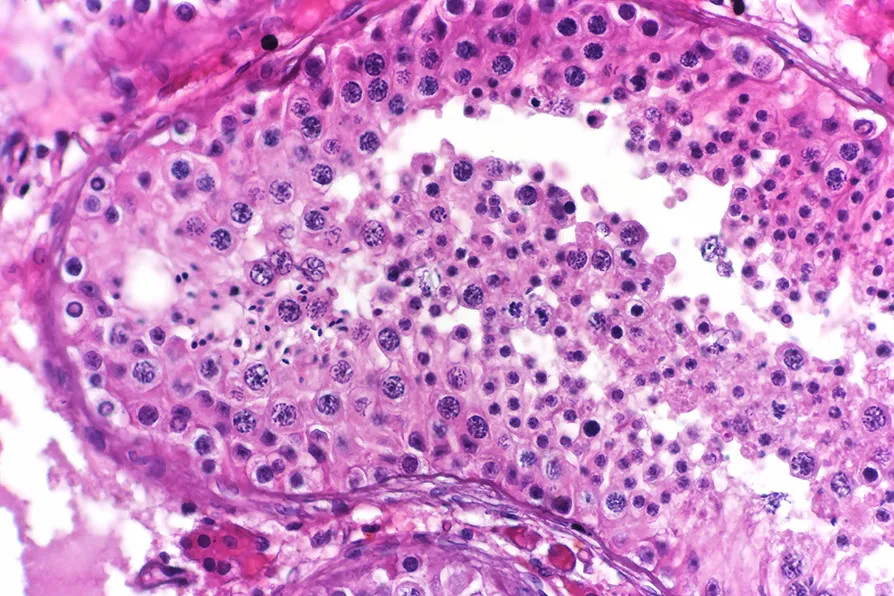
New research into mutations in sperm helps us better understand why they occur, while debunking a few myths in the process, write ROX MIDDLETON, LIAM SHAW and MIRIAM GAUNTLETT

One of the major criticisms of China’s breakneck development in recent decades has been the impact on nature — returning after 15 years away, BEN CHACKO assessed whether the government’s recent turn to environmentalism has yielded results