

 Latest editorial
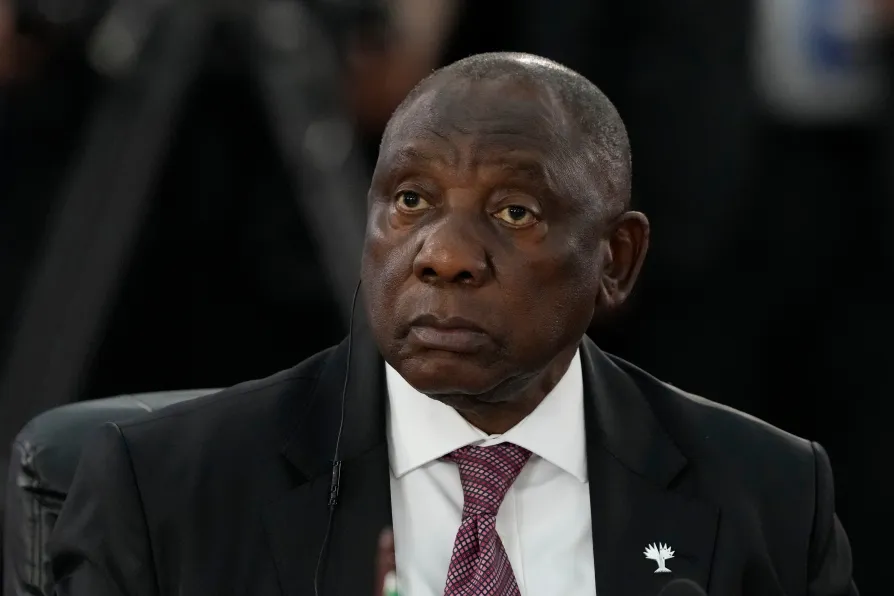 South Africa's President Cyril Ramaphosa attends the 17th annual BRICS summit in Rio de Janeiro, July 6, 2025



SOUTH AFRICA’S president promised on Sunday to act on what he called concerns over illegal migration following a rise in anti-immigrant protests and sentiment in Africa’s most advanced economy.
This comes as other nations have claimed that their citizens have been targeted in xenophobic attacks.
President Cyril Ramaphosa’s comments in a speech on national television dedicated to the issue were an acknowledgment of the tensions.
Anti-migrant protest groups have said they’ve set a June 30 deadline for foreign nationals who are in South Africa illegally to leave and have requested talks with the government.
South Africa has a history of violence sparked by anger over the presence of migrants, including in 2008 when more than 60 people were killed in what international rights groups called xenophobic attacks on foreigners.
Groups calling for a new crackdown on immigration have gained attention in recent months with a series of protests. They say foreign nationals in South Africa illegally are making its extremely high unemployment levels worse and placing more pressure on already strained public health and education services.
“Many South Africans are raising difficult but legitimate questions,” President Ramaphosa said. “These concerns are real. They deserve to be heard, and they deserve to be addressed.”
But President Ramaphosa added that “only authorised government officials can act against violations of our law,” warning that some groups were “inciting” tensions.
Ghana, Nigeria, Kenya and Mozambique said recently that their citizens have faced threats and violence in South Africa because they are foreigners.
Ghana repatriated about 300 of its citizens from South Africa last month and said more will be offered the chance to return home because of what it called threats against them.
Mozambique’s government said this week that five of its citizens were killed in what it referred to as xenophobic attacks in the town of Mossel Bay on South Africa’s south coast.

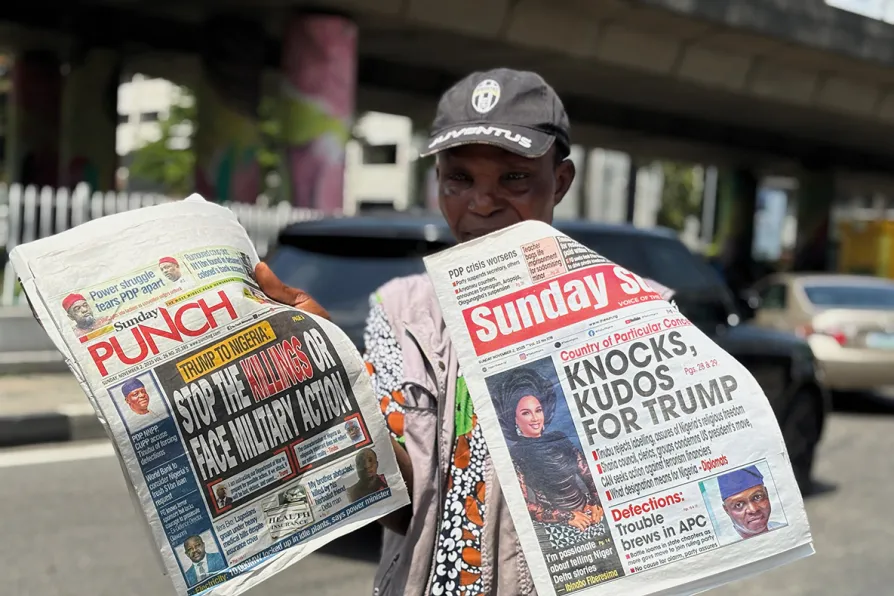
Nigeria’s presidential spokesman grovels to the West in response to Washington intimidation, writes PAVAN KULKARNI

The charter emerged from a profoundly democratic process where people across South Africa answered ‘What kind of country do we want?’ — but imperial backlash and neoliberal compromise deferred its deepest transformations, argues RONNIE KASRILS