

 Latest editorial
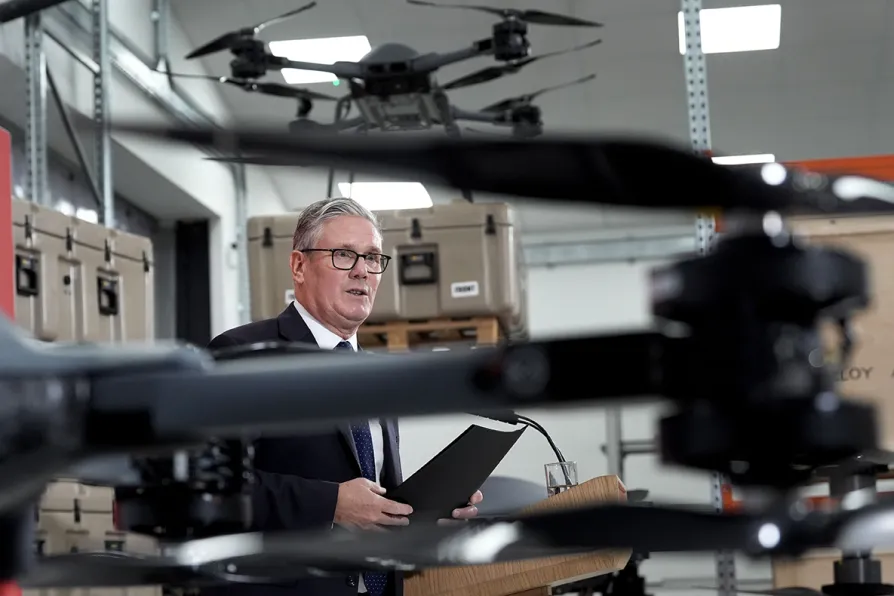 Prime Minister Sir Keir Starmer delivers a speech in Berkshire, following the publication of long-delayed defence investment plan (Dip), June 30, 2026
![Pregnant: [Pic: freestocks / Creative Commons]](https://www.morningstaronline.co.uk/sites/default/files/styles/desktop/public/2026-06/freestocks-ux53SGpRAHU-unsplash.jpg.webp?itok=4FVGVcVv)




WARFARE before welfare is Keir Starmer’s chosen legacy as the outgoing Prime Minister deluged the military with cash today.
The long-awaited defence investment plan boosts military spending by £15 billion, an increase of £1.5bn over the last two weeks, extra cash wrung out of the Treasury by new Defence Secretary Dan Jarvis.
And Mr Jarvis confirmed that the figure will rise further to 3 per cent of gross domestic product in the next parliament, and to 3.5 per cent by 2035.
The extra cash is to be splurged on drones above all, as well as fighter jets, nuclear arms and a larger weapons stockpile.
Investment in roads and energy projects are the immediate victims of the military increases, Sir Keir announced, amid rumours that his next stop after Downing Street may be as secretary-general of Nato.
Campaigners condemned the announcements, which were also designed to tie the hands of premier-presumptive Andy Burnham.
Stop the War Coalition vice-chair Chris Nineham said: “Never mind the cost-of-living crisis or the collapsing services he leaves behind, Starmer wants to be remembered as the man who ramped up spending on weapons to record levels.
“He claims he doesn’t want war, but that the best way to avoid it is to be prepared for it. This is a transparent lie.
“It is clear that security, defence and the fantasy and implausible threat from Russia, which is constantly talked up by ministers, generals and arms companies, are now the main ways that the ruling classes are justifying attacks on social programmes, on welfare and working-class living standards in favour of still more missiles.
“And that is why any effective campaign against public sector and welfare cuts needs to be making anti-war arguments.
“There is strong minority opposition to any increase in defence spending, but polls show this opposition surges to big majorities across Europe when it is presented as a question of choices between wages and weapons, between welfare and warfare.
“This is why we must urgently build a popular movement that has these arguments at its heart.”
Green Party leader Zack Polanski warned: “Starmer’s plan won’t be worth the paper it’s written on if it doesn’t address long-term threats we face: not just aggressive foreign powers but cyber attacks, food and water insecurity, pandemics and climate breakdown.”
Your Party parliamentary leader Jeremy Corbyn said: “We need to get serious about the crises facing us all: climate change, inequality and war.
“In a few years’ time, will we look back and be grateful that we spent billions on weapons? Or will we look back and wish we had the common sense to invest in a greener, fairer world,” he asked.
And Labour left campaign group Momentum commented: “Government departments have been forced to make budget cuts to ramp up military spending.
“Voters want to see real change in their communities and a genuine end to austerity, not more funding for wars overseas.”
Mr Jarvis made clear to MPs that there was much more to come. “The UK made a promise to our allies as they did to us — 3.5 per cent by 2035 — and in a more dangerous world, our commitment to Nato is absolute,” he said.
He added that he had given his word to incumbent Nato boss Mark Rutte “and to all our allies that promise will be met and a credible plan will be produced to ensure that it is.
“We will reach 3 per cent in the next parliament, with funding set out at the next spending review, in which defence will be the number one priority.”
And Sir Keir earlier boasted that he had delivered “the biggest sustained increase in defence spending since the 1980s, £270bn over the spending review period,” with the fresh £15bn on top.
“Some capital projects, for example on roads and energy, which are important but not immediately vital, will no longer go ahead as planned,” he conceded.
Russia was the Prime Minister’s target, he again made clear. “As Russia’s losses mount and their economy struggles, the mood in Moscow is turning against Putin’s war.
“So this is the moment to ramp up the pressure, backing Ukraine’s defence and turning the screws on Russia’s economy. And that is what we’re doing,” he said.
However, this was not enough for some Labour MPs, with Wes Streeting and Commons defence committee chair Tan Dhesi both urging the government to spend more, faster.
The plan was welcomed by the GMB union, with national officer Matt Roberts, saying the “Defence Investment Plan provides some stability for a sector besieged by insecurity.
“The challenge now is delivery — workers will judge this plan on real jobs, real investment, and real outcomes.
“GMB welcomes renewed focus on defence investment, but the real test is whether this delivers jobs, skills, and secure work here in the UK,” he said.

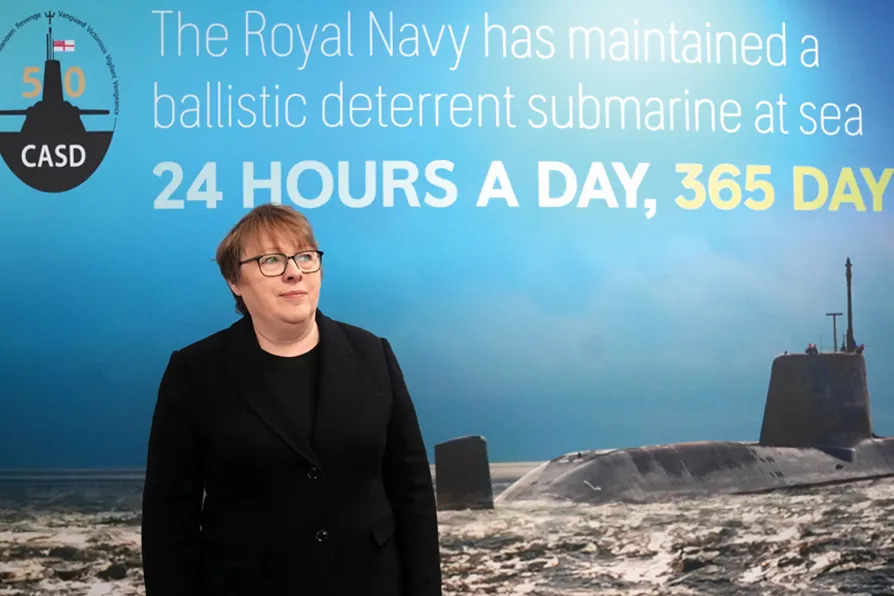
Expanding Britain’s nuclear capability increases the risk of nuclear confrontation. It does not keep us safe – it makes us a target, argues CAROL TURNER
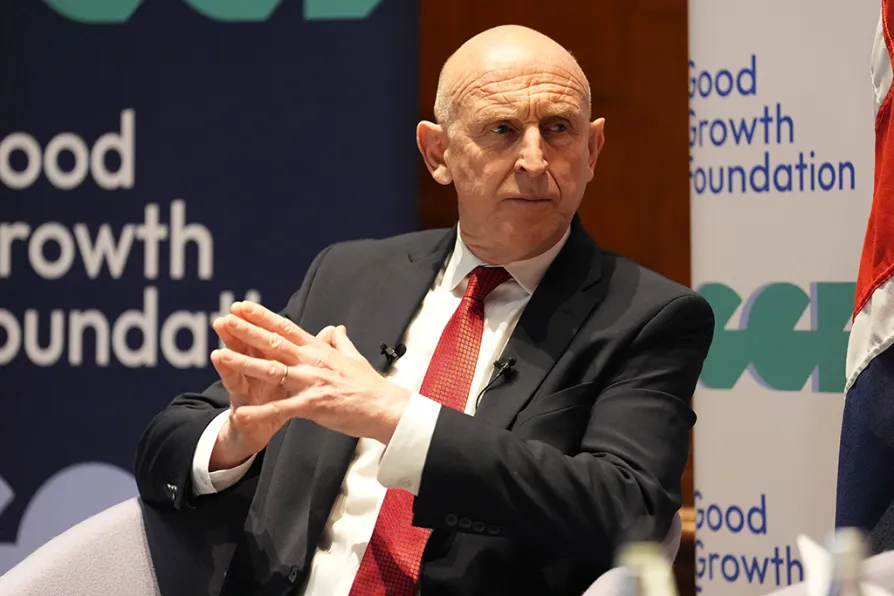
The defence secretary’s resignation reveals not a split over principle but a dispute over pace of military spending, as Britain’s political Establishment unites behind deeper Nato commitments, argues NICK WRIGHT
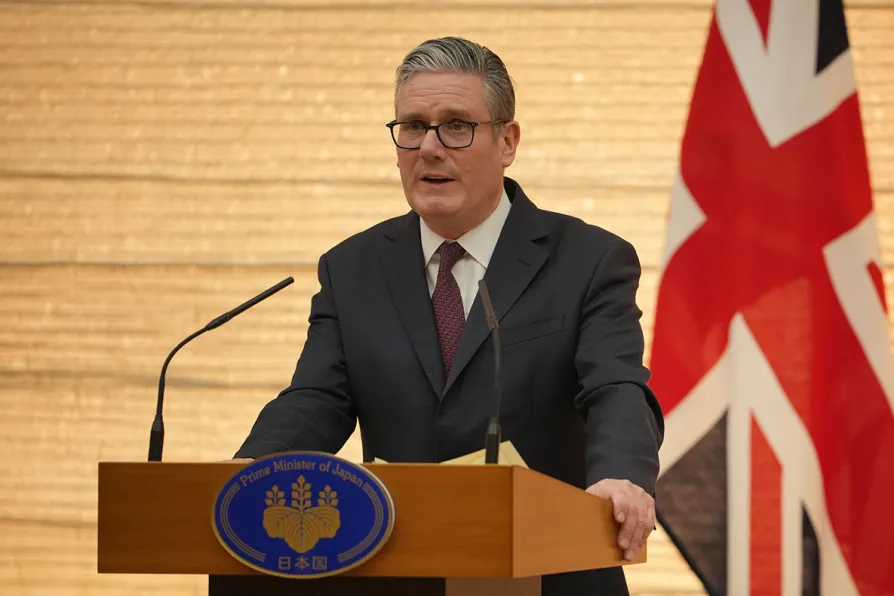
In an address to the Communist Party’s executive at the weekend international secretary KEVAN NELSON explained why the communists’ watchwords must be Jobs not Bombs and Welfare not Warfare