Latest editorial
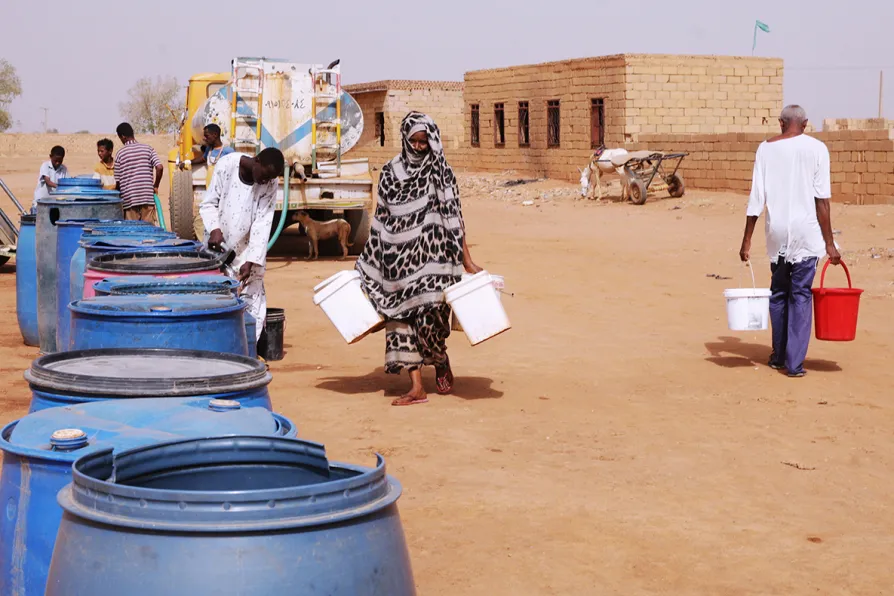 People fill water containers at a free distribution point amid water outages in Khartoum, Sudan, May 18, 2026
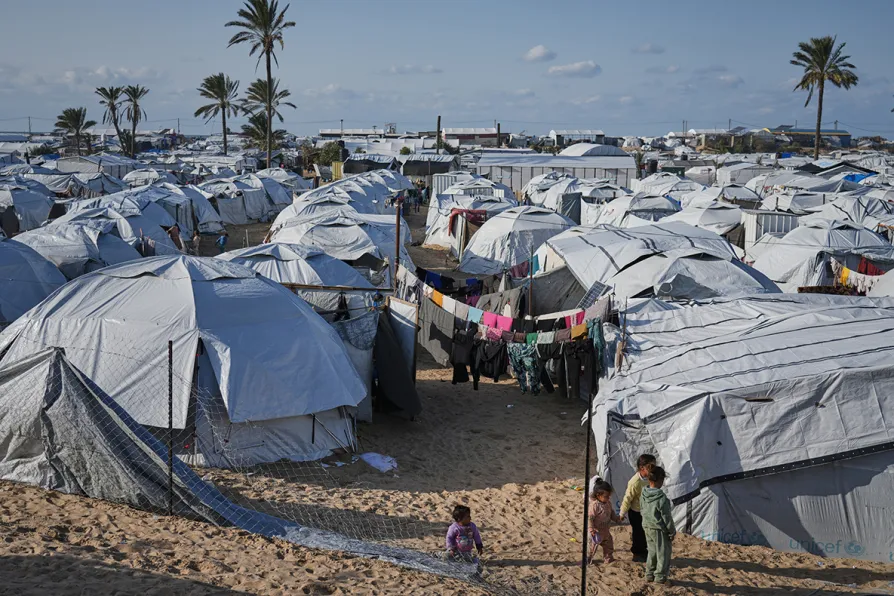




THE United Nations’ food agencies warned on Wednesday that acute hunger is set to worsen across 13 global hotspots in the coming months, with conflict, funding shortages and climate shocks pushing millions closer to famine.
The Food and Agriculture Organisation (FAO) and the World Food Programme (WFP) said in a new joint report that conditions are expected to deteriorate between June and November 2026, with around 266 million people already facing high levels of acute food insecurity, and called for urgent action.
WFP acting executive director Carl Skau said: “The warnings in this report cannot be ignored.
“Without action now, millions more are expected to face worsening levels of hunger in the months ahead, pushing some closer to famine.”
Sudan, South Sudan, Yemen and the Gaza Strip remain the hotspots of greatest concern, the report said, while Nigeria and Somalia have been newly added to that category as conditions worsen and famine risks rise. Seven other countries are also on the hotspot list — Afghanistan, Congo, Myanmar, Haiti, Mali and new additions Lebanon and Madagascar.
The agencies said conflict and violence are the main drivers of hunger in nearly all the hotspots, compounded by economic shocks, deep cuts to humanitarian funding and the expected impact of an El Nino weather pattern, which could bring droughts and floods to vulnerable regions.
Funding for food assistance and related programmes has dropped sharply by about 59 per cent since 2022. This comes even as needs have surged, the report said.
WFP’s more than $10 billion (£7.3bn) appeal for 2026 still remains severely underfunded.
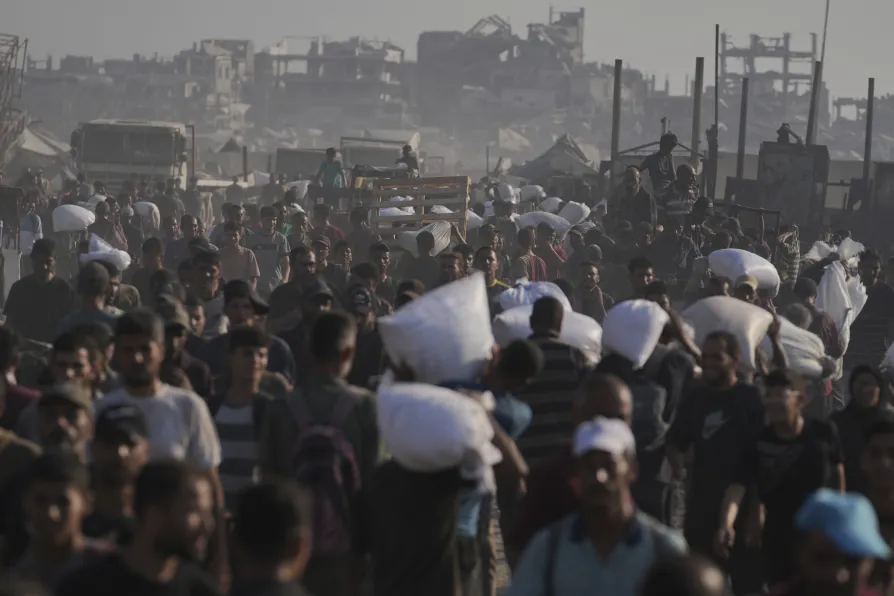
Assessing the global hotspots, the report said in Gaza around 1.6 million people, roughly 77 per cent of the population, were acutely food insecure earlier this year and in need of urgent assistance, including more than half-a million in emergency levels and a smaller number facing catastrophic conditions.
Yemen remains “one of the world’s worst food security crises,” hosting the largest population facing emergency or catastrophic levels of food insecurity, it said.
And the threat of famine looms over people in Nigeria’s Borno state and Somalia’s Burhakaba district as well as in South Sudan’s Jonglei and Upper Nile states, and in Sudan’s North Darfur, South Darfur and South Kordofan regions.
The FAO and the WFP called for swift, co-ordinated international action to scale up aid, protect livelihoods and prevent further deterioration, warning that without swift intervention, millions more could face catastrophic hunger in the months ahead.

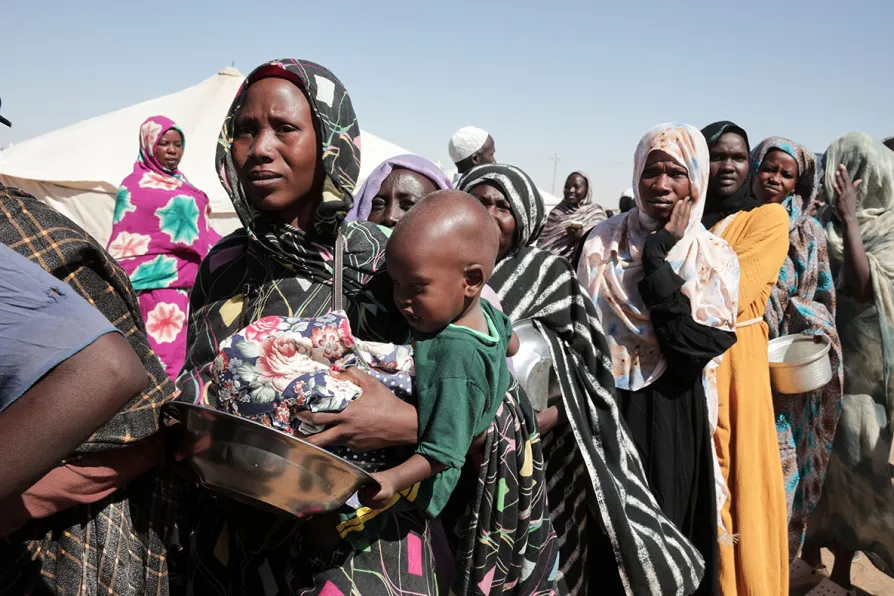
MAISSON HASSAN highlights how amid bombed-out cities and collapsing hospitals, women-led initiatives are keeping communities alive