

 Latest editorial
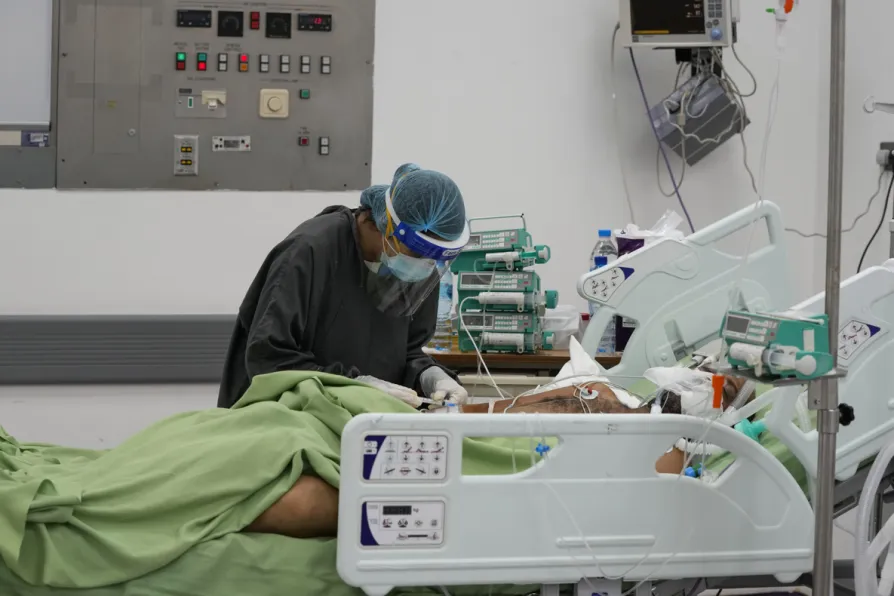 Medical staff assists with oxygen supply to a COVID-19 patient at the intensive care unit of the government-run Rafik Hariri University Hospital in Beirut, Lebanon, Saturday, August 14, 2021
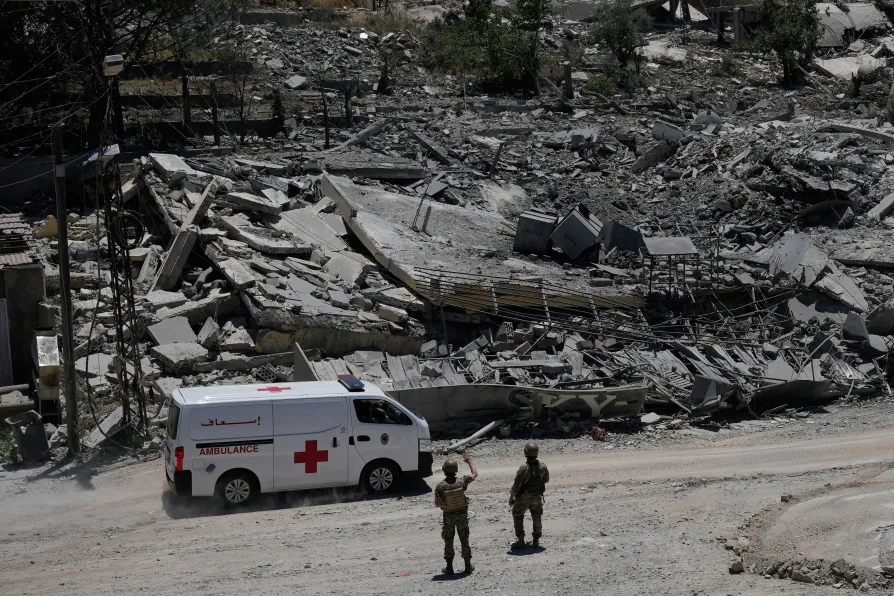



HOSPITALS in Lebanon are at a breaking point as supplies run low, health workers said today while desperately fighting to keep abreast of a surge in coronavirus cases.
Doctors at Rafik Hariri University Hospital, the country’s largest public-sector health facility, reported that they are drenched in sweat while checking patients lying on stretchers in the reception area as the air conditioning has been turned off to save fuel.
Though they are exhausted, medical staff must scramble to find scarce supplies as well as treating patients. As of today, the hospital has been running on its back-up generators and relies on donations from political parties and international aid groups for diesel.


Fertiliser chaos triggered by Gulf conflict could send prices soaring and leave millions facing devastating hunger, writes DYLAN MURPHY

SWEE ANG, the founder of Medical Aid for Palestinians, is a big believer in the power of small actions, and she is the living proof it works, writes Linda Pentz Gunter
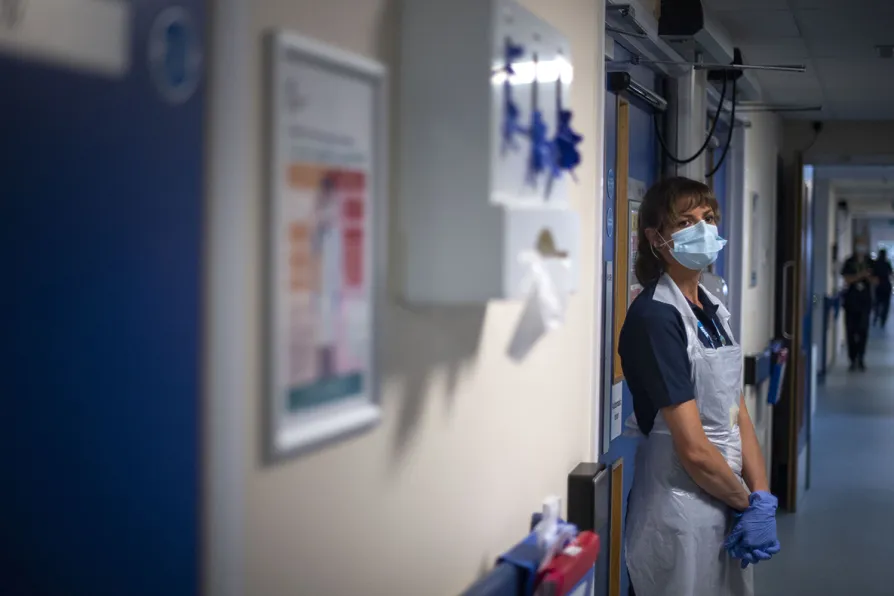
Government urged ‘to tackle the root causes’ of the NHS crisis and improve ‘social care services’