
From Barry McGuigan and Carl Frampton to Tyrone McKenna and Lewis Crocker, the city’s fighters carry a complex history into the ring, writes JOHN WIGHT


 Latest editorial

Why the 2026 World Cup can't be considered a success
A World Cup full of memorable moments was also marked by exclusion, exploitation and unprecedented political meddling, writes JAMES NALTON
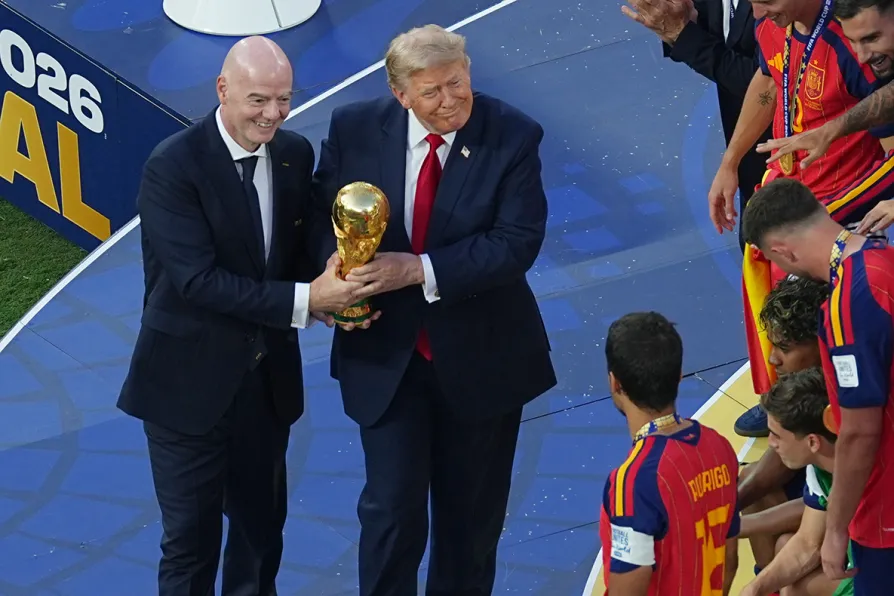 Fifa President Gianni Infantino and US President Donald J Trump present the trophy to Spain's Rodri (16) after the World Cup final between Spain and Argentina in East Rutherford, New Jersey, near New York, July 19, 2026


ANOTHER World Cup has been and gone, providing thrills and spills, sporting entertainment and plenty of storylines involving countries from across the globe. Amid the post-tournament glow, the numerous issues that transpired over the past month, in what was one of the most controversial World Cups of all time, are being overlooked in some quarters.
Surface-level assessments related only to the games themselves, and declarations that this was a successful World Cup which proved pre-tournament naysayers wrong, ignore the many predictable problems that occurred.
Even on top of those, there was an unpredictable, unprecedented instance of political interference directly with the sporting aspect of the competition, which further brought it into disrepute.
There were positives and plenty of encouragement to take from certain aspects of this World Cup, as people came together and certain cities shone as hosts to produce numerous positives, but fundamental issues mean any assertions that it was an unmitigated success would be wide of the mark.
The US, regardless of which party is in government, has always had problems with the movement of players and teams when it comes to international tournaments. Such movement is a basic requirement of a World Cup and a prerequisite for an international gathering of this scale.
As it turned out, the warning signs seen in previous regional competitions were magnified as Iran were greatly disadvantaged due to not being allowed to remain in the US for extended periods, and had to move their training base from the US to Mexico.
A World Cup can’t be considered a success if teams are treated in this manner and they are not permitted to move freely around a host country.
On top of this, fans from multiple countries were not allowed into the US, and in some cases Canada, to support their team.
The most high-profile instance of this was the famous DR Congo fan Michel Kuka Mboladinga, known widely as Lumumba Vea, who attended a game in Mexico, but was then refused entry to the US for Congo’s big games against Uzbekistan and then England.
Fans from Haiti, Senegal and Ivory Coast were also banned.
A World Cup that doesn’t allow fans in to support their teams can’t be considered a success.
It’s often the case in US sports culture that an event selling out with high ticket prices is considered a success, and Fifa used this ticketing culture for its own ends.
The World Cup should be accessible to as many people as possible, not just in terms of being able to enter the host country at a basic level, but also being able to afford tickets for games.
There is an idea going around that the games being well attended justify the high ticket prices, but this ignores that this issue was not about filling the stadiums, but about ensuring all had an equal opportunity to attend.
A World Cup that prices out so many fans, exploits those who have saved up for the event and allows for the resale of tickets way above face value can’t be considered a success.
In terms of attending the matches themselves, this World Cup was less a football tournament and more an exclusive entertainment event with a velvet rope, VIP and celebrity culture at its core.
We are seeing a gradual move towards this across the game at the top level, especially in the Premier League, which itself has many of the traits of US sporting events, but this World Cup was peak, unabashed fan exploitation mixed with the worst aspects of corporate hospitality culture.
Social media “influencers” filmed themselves in their seats, alternating shirts depending on which audience they were targeting, as others travelled the country, currying favour with the White House by presenting an idealised view of the US while ignoring the issues at hand.
If online promotion such as this was seen at any previous World Cups, such as in Russia and Qatar, it would have been labelled as the government propaganda of a corrupt regime.
In the US, even at the matches where there were relatively big atmospheres, such as the one the Ecuador fans provided during their memorable win against Germany, there was still an edge missing among it all. Any footage of fans celebrating in the stadium was less a celebration and more other people recording other people, recording the celebrations on their phones.
A World Cup that was the biggest example yet of football as an entertainment product, rather than a game for players and supporters, can’t be considered a success.
Though many of the issues around this World Cup existed off the pitch, one instance of corruption moved from the surrounding politics to the sport itself.
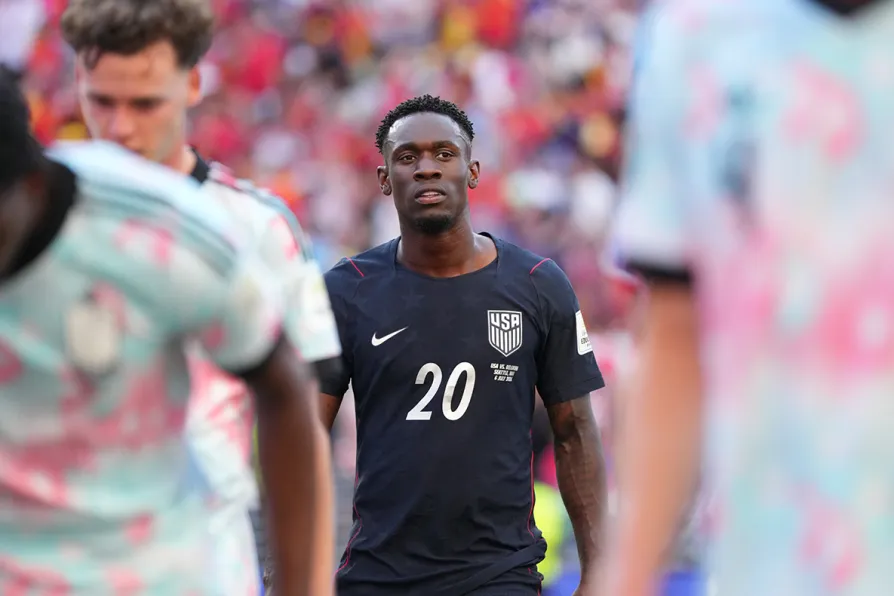
US President Donald Trump contacted Fifa to overturn a one-game ban for the United States striker Folarin Balogun after he picked up a red card, and was successful in doing so.
It was a suspension of a match ban unprecedented within a tournament itself in the modern game and the fact the US went out to Belgium in the subsequent match shouldn’t make this any less of a scandal.
In the end, Trump’s intervention distracted the USMNT players and motivated Belgium, so in some ways he ended up being responsible for his country’s World Cup exit.
A World Cup in which a host country’s president meddled with the sporting process can’t be considered a success.
This being the World Cup, there were still many positives. Football, once it starts to be played, invariably throws up moments of joy, drama, and intrigue. From emerging players and nations to entertaining games and the rollercoaster ride experienced by supporters around the globe.
Pretty much all of the best supporter-related moments at this World Cup occurred away from the stadiums.
Whether this be the Algeria fans forging a lasting bond with the people of Lawrence, Kansas, or the Scotland supporters charming Boston, and particularly the Boston Red Sox baseball team, with their presence, there were many positive stories of camaraderie between locals and fans from around the globe.
It’s noticeable that the majority of good things about this World Cup, were the things the Trump administration and their ilk in political parties across the globe don’t like.
Seattle was one of the cities Trump heavily criticised before the World Cup, even threatening to strip them of hosting after a democratic socialist mayor, Katie B Wilson, was elected in January.
In the end, Seattle was hailed as one of the World Cup’s outstanding host cities, and even the White House itself posted a scene from its stadium to boast about the World Cup in America, presumably forgetting Trump’s threat and previous comments.
There were many good things about this World Cup and even about the United States as a country, its impressive landscape and its many welcoming people, but its government, along with Fifa, made sure that this World Cup cannot objectively be considered a success, even though many will continue to declare it so.

Similar stories
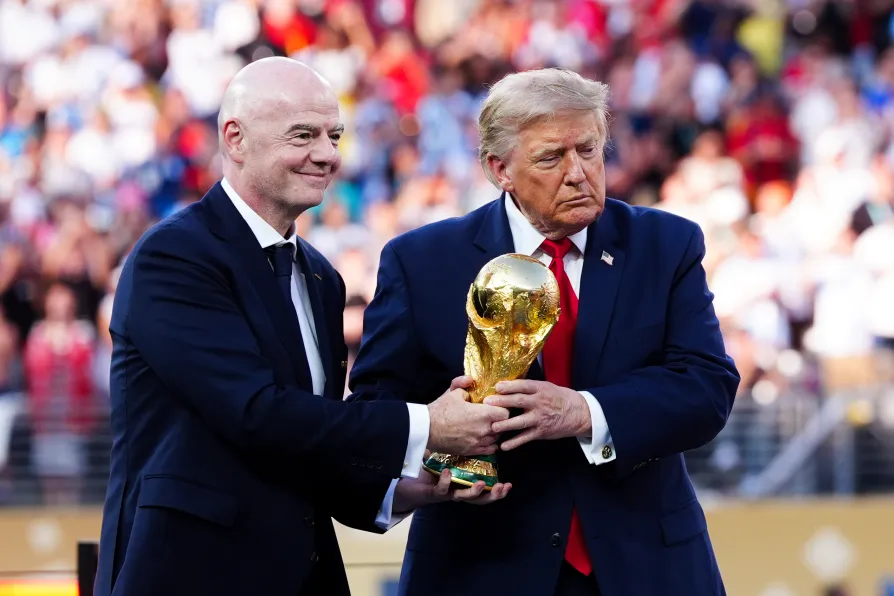
The World Cup, Olympics and rise of sports betting reveal how the playing field is increasingly shaped by power and inequality, writes DENNIS BROE
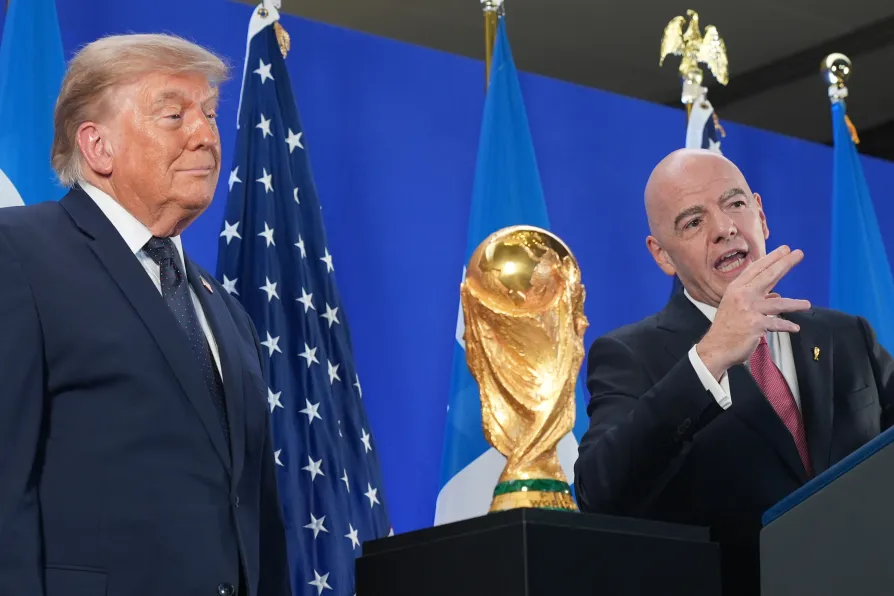
Council of Europe says Fifa must help to protect 2030 tournament
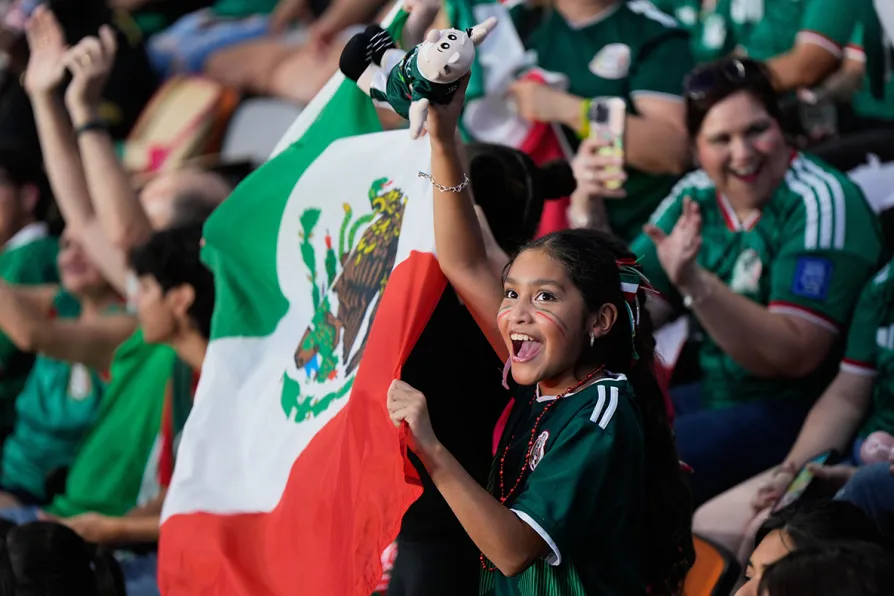
England survived a thrilling Azteca encounter, but the stadium and its supporters created one of the tournament’s defining nights, writes JAMES NALTON
Pochettino says ‘politics and manipulation’ overshadowed the football