Ron's rages are sincere and — according to his wife — healthily cathartic. But can these splenetic outbursts loosen the grip of capitalism at its most monstrous?


Anti-fascist class-conscious art
CHRISTINE LINDEY welcomes a fascinating survey of the work of the communist and socialist artists who founded the AIA in the 1930s
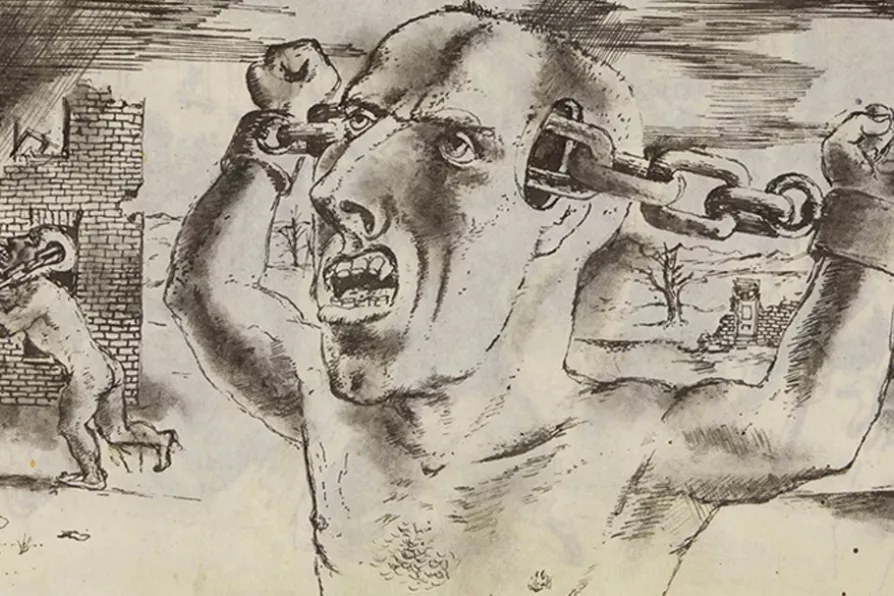
 James Boswell, Two studies of a man with a chain through his head, c.1943, detail
[© The estate of James Boswell / Tate]
James Boswell, Two studies of a man with a chain through his head, c.1943, detail
[© The estate of James Boswell / Tate]
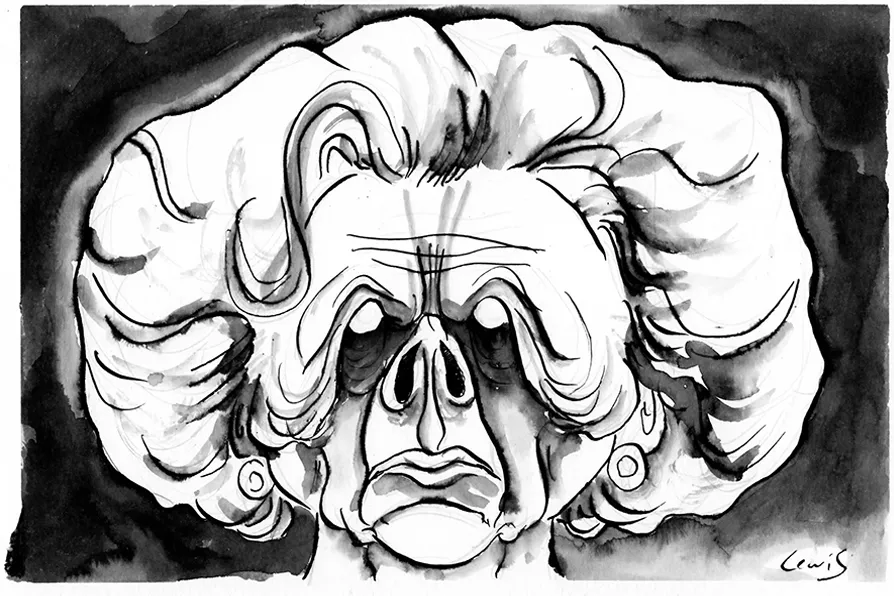
ANGUS REID considers the power of the podcast as a vehicle for consensus building in opposition to mainstream media narratives
GLENN FOSBRAEY recommends a biography worth reading for both existing George Michael fans and those yet to be converted
FRANCIS DEVINE introduces a new collection of essays that draws on Pease McKenna’s example to indicate future paths for the movement
KEVIN DONNELLY and MARIA DUARTE review Shoot the People, The Last One For The Road, Rosebush Pruning, and Moana
JAMES WALSH recommends an exceptional documentary about the experience of Western doctors in Gaza


The Artists International Association
Tate Britain, London
UNLIKE most working-class children, when Cliff Rowe left school in 1918 aged 14 he went to the local art school rather than going straight to work. Aged 19 he was earning a living as a commercial artist, but painting in his own time. He accepted the profession’s competitive, individualist values, until someone loaned him the Communist Manifesto. Convinced of its logic he became one of Britain’s most principled, lifelong communist artists.
In 1930 he travelled to the young USSR, then a beacon of hope to his generation ravaged by the Hungry Twenties, and where there was plentiful illustration work. Inspired by Soviet cultural policies and the USA’s John Reed Clubs, Rowe initiated the founding of the Artist International (AI) in 1933.

Similar stories
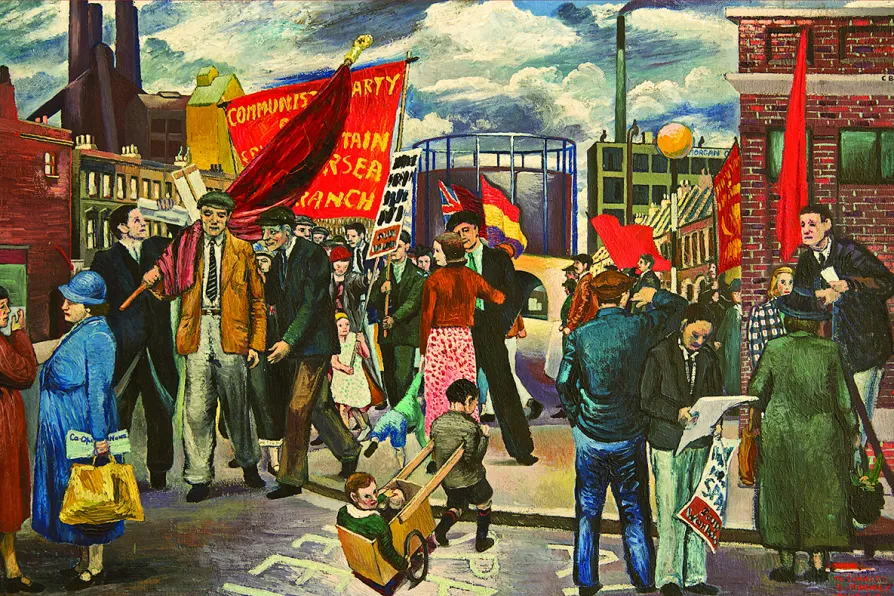
JIM JUMP describes how artists in Britain rallied to the anti-fascist cause
![Meirian Jump with MML archivist Matt Dunne [Pic: Marx Memorial Library]](https://www.morningstaronline.co.uk/sites/default/files/styles/desktop/public/2026-07/image.png.webp?itok=EO4HHX_7)
The Marx Memorial Library’s Spanish Collection remains a powerful tool for the working-class movement today, writes MML director MEIRIAN JUMP
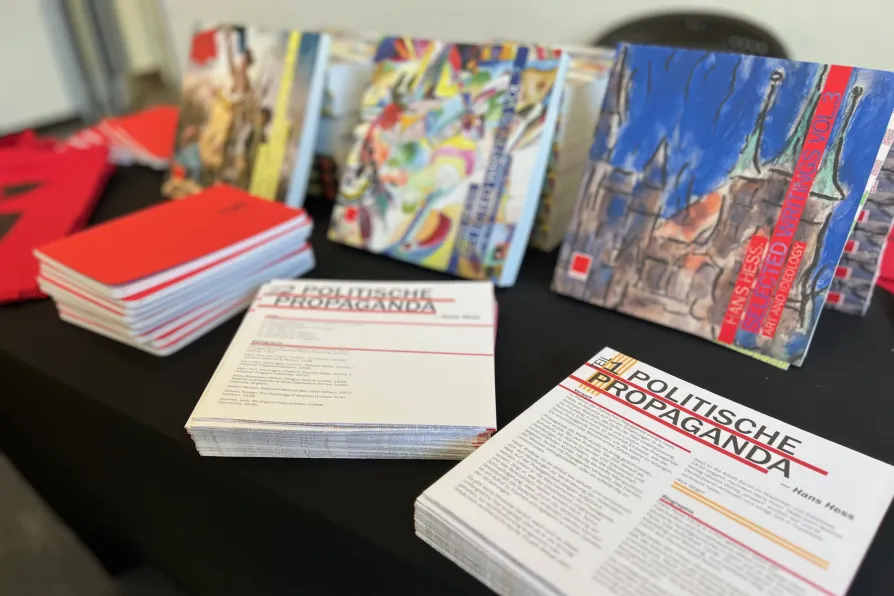
CHRISTOPHE IMMER of the Morning Star’s German sister paper Junge Welt reports on a Berlin conference on the politics of art and the legacy of Marxist critic Hans Hess
Paul MacGee of Manifesto Press invites you to a special launch on Saturday August 2.