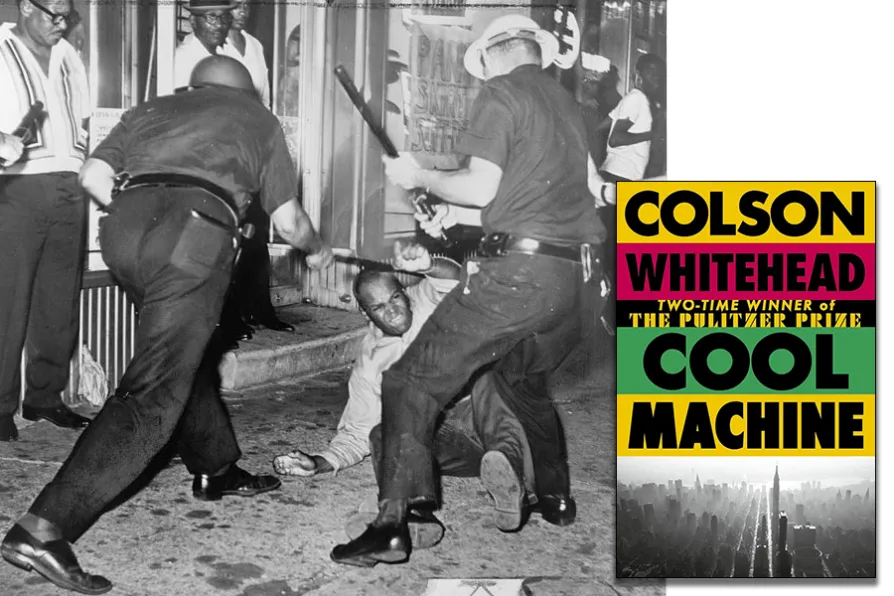
DOUGLAS FIELD relishes the hard-boiled language, satire and humour of the third and last of the Harlem trilogy


 Latest editorial
I was always code-switching
RITA DI SANTO interviews Kaleem Aftab, director of the Red Sea Film Festival
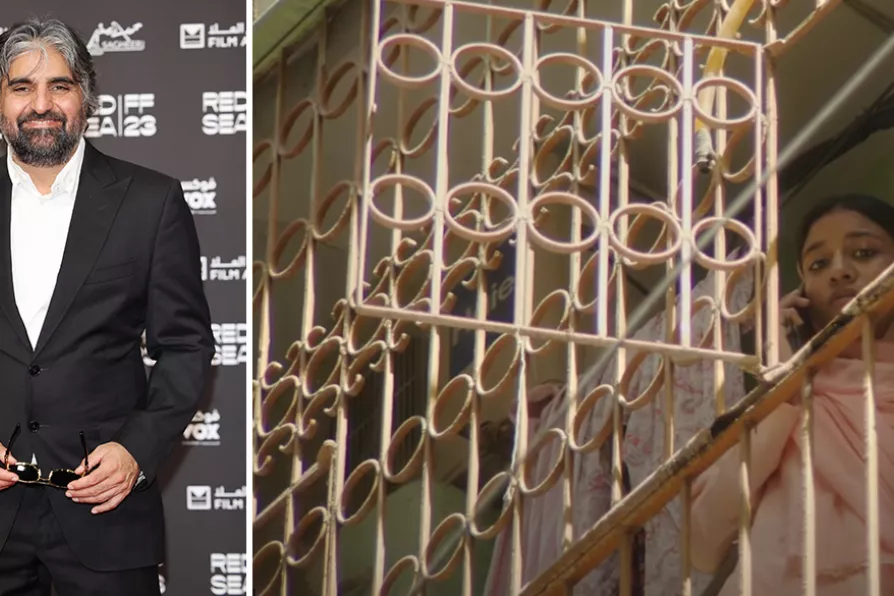 Kaleem Aftab, director of Red Sea Film Festival; a still from the overall winner, In Flames, directed by Zarrar Kahn, an intimate Pakistani-Canadian horror film about a woman, played by Ramesha Nawal, caught in the cage of patriarchal violence
[Courtesy of XYZ films]
Kaleem Aftab, director of Red Sea Film Festival; a still from the overall winner, In Flames, directed by Zarrar Kahn, an intimate Pakistani-Canadian horror film about a woman, played by Ramesha Nawal, caught in the cage of patriarchal violence
[Courtesy of XYZ films]
STEPHANIE BROWN draws attention to the hidden labour of the female embroiderers, and how a 19th century replica made no such error
MIK SABIERS revels in a band that ploughs an idiosyncratic furrow of expletive laden, guitar-driven alt rock
ANDY HEDGECOCK, MARIA DUARTE and ANGUS REID review Synthetic Sincerity, Our Hero, Balthazar, Heartstopper Forever, and A Year In London
The bard invites readers to a gig, raps for Clacton, and lays out the Burnham-Hurzeler conundrum
RON JACOBS recommends an important book that enhances the oppositional theories put forth by Fanon and, in doing so, remakes psychology itself




IN a country where cinema had been banned for 35 years, the Red Sea Film Festival has just concluded its third edition. Staged in Jeddah, the festival has rapidly expanded its scope, not doubling but quadrupling its relevance in Saudi Arabia, the Middle East, even in the wider world.
Artistic director Kaleem Aftab has witnessed the evolution of this festival since the first edition. A journalist and film critic with a huge knowledge of Arabic film and a wealth of experience gained from travelling to festivals across the world, Kaleem was initially brought on as a consultant but subsequently invited to become the artistic director.
“I grew up in London. I’m a Muslim, so I understand what it’s like to have different cultures. My parents were Pakistani immigrants; when I grew up, there was a lot of racism in the ’70s and ’80s. I was always code-switching. I can see the necessity of doing that in the Arab world, with cinema, in particular, especially as over the last 20 years Arab cinema has changed and developed. Saudi is a place where cinema was once banned; it has been fascinating working here.”
Do you think about the audience when you are programming?

Similar stories
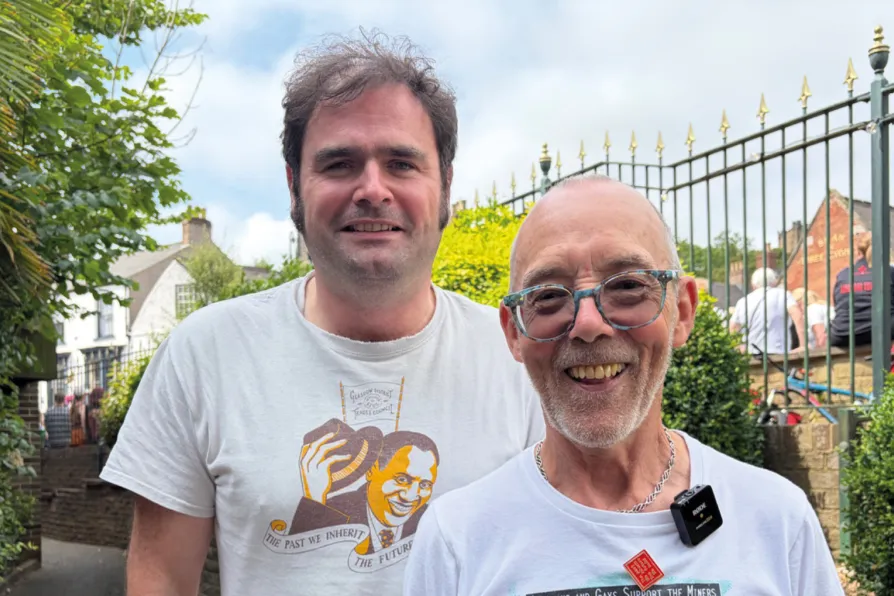
Lesbians and Gays Support the Miners co-founder MIKE JACKSON talks to Matt Kerr about the enduring power of Pride, protest and trade unionism

The bard invites readers to a gig, raps for Clacton, and lays out the Burnham-Hurzeler conundrum
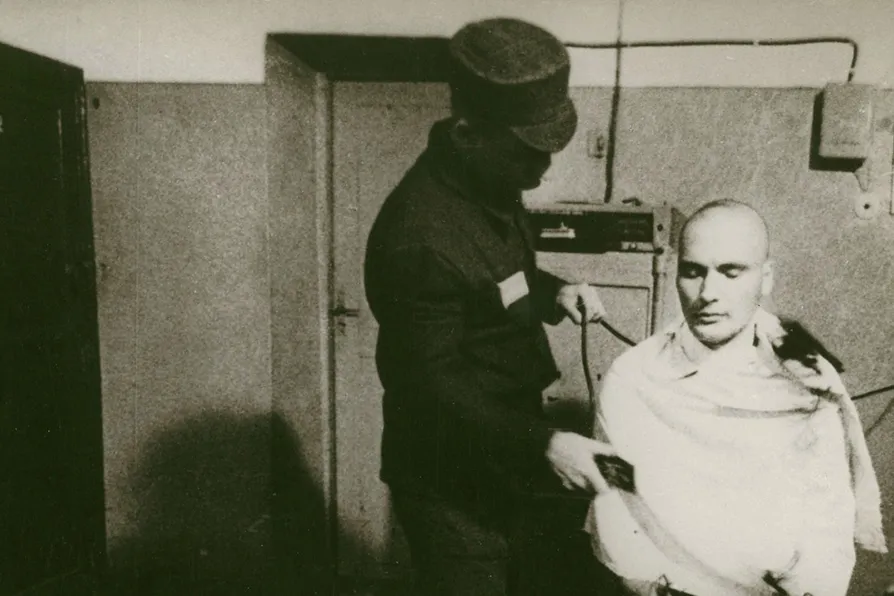
RITA DI SANTO talks to Scottish-Irish filmmaker MARK COUSINS about his new panorama of world cinema The Story of Documentary Film
SCOTT ALSWORTH recommends a film that is as informative as it is rage inducing