With Jamie J


 Latest editorial
Boxing as a morality play
JOHN WIGHT writes about Floyd Patterson and Sonny Liston, who he describes as ‘two of the most misunderstood’ fighters in the history of the sport
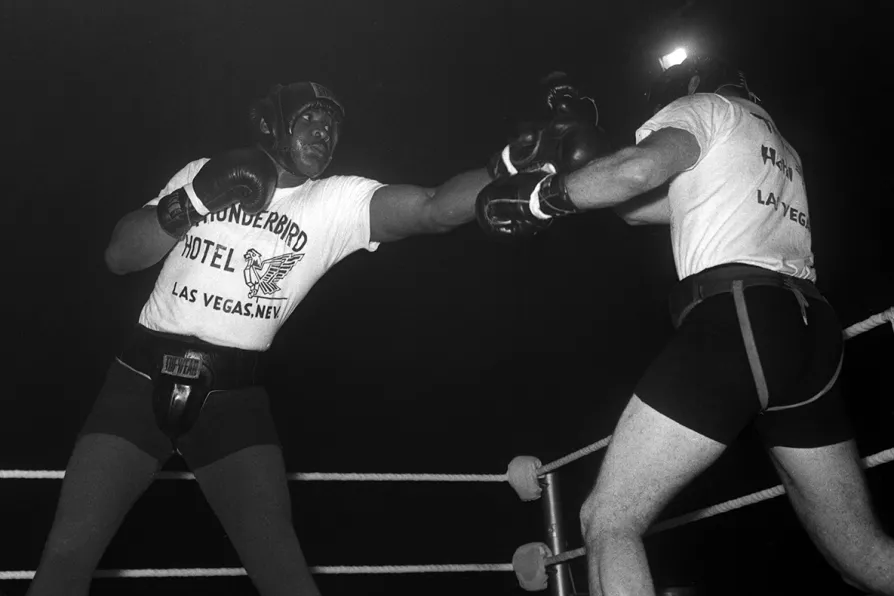 MISUNDERSTOOD: Sonny Liston (left) takes a shot at a sparring partner in London in 1963




TWO of the most disdained and maligned fighters in the history of boxing — Floyd Patterson and Sonny Liston —were also two of the most misunderstood. They met in the ring twice as representatives of two polar opposite strands of black American life in the early sixties – integration and alienation.
Patterson was a poster boy for black integration while Liston stood as a totem of black alienation. Where Patterson was sensitive and shy, Liston was angry and malevolent — this to the point where you could have been forgiven for considering them characters in a morality play rather than competitors for the heavyweight crown.
Their first clash took place on September 25, 1962 at Chicago’s Comiskey Park, home to the city’s famed Chicago White Sox baseball team, in front of 19,000 spectators. Closed circuit television was in its infancy at the time, with this fight one of the first to be aired live around the country using the new technology. Such was the interest in the fight, it was shown at 264 venues across the United States and Canada.

Similar stories
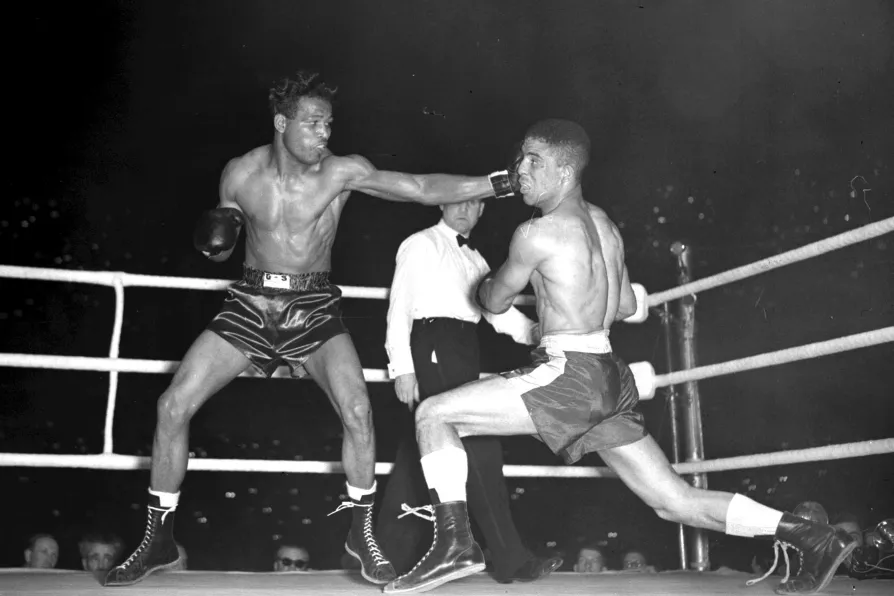
JOHN WIGHT pays tribute to the day in history when Randolph Turpin dealt the world of boxing an almighty blow

Still the only black man to win the US Open tennis title, a statue of the legendary champion, Arthur Ashe, is now the only one remaining on Monument Avenue in his Richmond, Virginia hometown, where confederate leaders of the Civil War were also once displayed, writes LINDA PENTZ GUNTER