In the wake of his recent humanitarian visit to Cuba, RICHARD BURGON points to the now urgent need to defend the island’s political sovereignty and its right to self-determination


 Latest editorial
Law will end industry's impunity
The US Environmental Protection Agency is strengthening a rule aimed at controlling and cleaning up toxic waste from coal-fired power plants, writes MATTHEW DALY
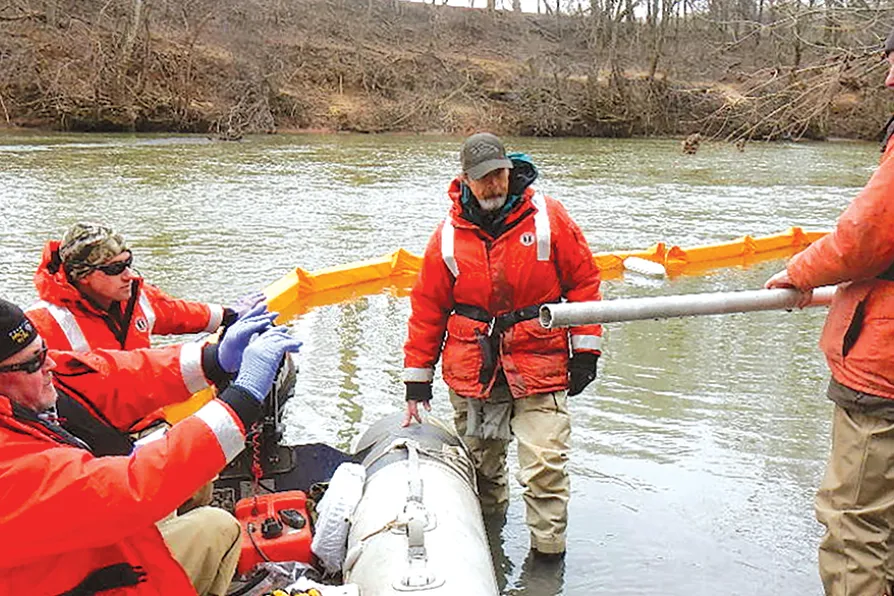 US Fish and Wildlife Service (USFWS) responders take core samples of Dan River, North Carolina sediment following the spill
[USFWS/CC]
US Fish and Wildlife Service (USFWS) responders take core samples of Dan River, North Carolina sediment following the spill
[USFWS/CC]
Thousands of jobs are at risk across higher education, yet government funding appears only when universities can be linked to military objectives, says JO GRADY, in the run-up to the Stop the War International Conference this Saturday
The Wye, Usk, Arrow and Lugg were once treasured for their clean waters – today, pollution and corporate excess are fuelling demands for a return to public ownership, says MARK SEDDON
The new Employment Rights Act is a step forward, but restoring collective bargaining and union power remains essential to tackling insecurity, outsourcing and low pay, says PAUL WHITEHOUSE
Rising support for Farage’s party reflects Labour’s failure to defend working-class living standards or offer a credible alternative to neoliberal decline, says JOSEPH MILLS
Trade unionists are mobilising to support Cuban workers and public services, amid escalating US pressure on the socialist island. RONAN OGILVY explains




A PROPOSAL announced on Wednesday would, for the first time, require safe management of so-called coal ash dumped in hundreds of older landfills, “legacy” ponds, and other inactive sites that currently are unregulated at the federal level.
Environmental Protection Agency (EPA) administrator Michael Regan said the plan would hold polluters accountable for controlling and cleaning up coal ash, a byproduct of burning coal in that can pollute waterways, groundwater, drinking water, and the air.
Coal ash contains contaminants such as mercury, chromium, and arsenic associated with cancer and other health problems.

Similar stories

One of the major criticisms of China’s breakneck development in recent decades has been the impact on nature — returning after 15 years away, BEN CHACKO assessed whether the government’s recent turn to environmentalism has yielded results