DOUGLAS FIELD relishes the hard-boiled language, satire and humour of the third and last of the Harlem trilogy


 Latest editorial
Devalued by greed and debased by intolerance
JOHN GREEN sees uncomfortable parallels between the demise of ancient Greece and the accelerating decline faced today by Britain and the US
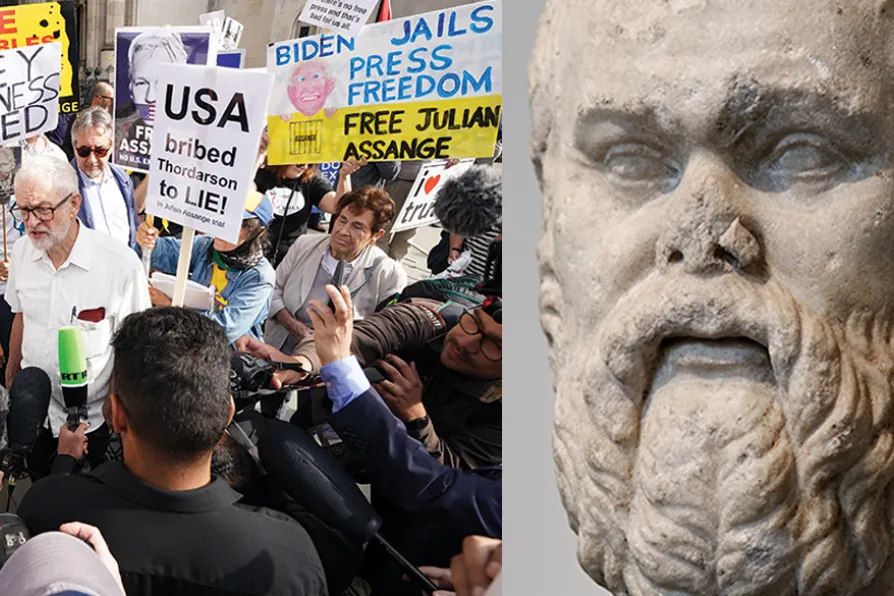 PAST REVISITED? (L to R) Solidarity with Julian Assange demonstration; Socrates – Roman copy of a Greek original of c350 BC, often attributed to Lysippos, one of the three greatest sculptors of the Classical Greek era
[Socrates pic: Marie-Lan Nguyen/CC]
PAST REVISITED? (L to R) Solidarity with Julian Assange demonstration; Socrates – Roman copy of a Greek original of c350 BC, often attributed to Lysippos, one of the three greatest sculptors of the Classical Greek era
[Socrates pic: Marie-Lan Nguyen/CC]

STEPHANIE BROWN draws attention to the hidden labour of the female embroiderers, and how a 19th century replica made no such error
MIK SABIERS revels in a band that ploughs an idiosyncratic furrow of expletive laden, guitar-driven alt rock
ANDY HEDGECOCK, MARIA DUARTE and ANGUS REID review Synthetic Sincerity, Our Hero, Balthazar, Heartstopper Forever, and A Year In London
The bard invites readers to a gig, raps for Clacton, and lays out the Burnham-Hurzeler conundrum
RON JACOBS recommends an important book that enhances the oppositional theories put forth by Fanon and, in doing so, remakes psychology itself




WHAT is termed the Classical Greek period lasted around 200 years (5th and 4th centuries BC), the period that saw the greatest florescence of Greek culture, dominated largely by the city state of Athens.
Much of the early defining politics and thinking of that period — architecture, sculpture, philosophy, science, and drama — had a powerful influence on the later Roman empire and became the foundation of Western civilisation. We still refer to Greece for inspiration and for examples of civilised living.
A unified Greek state as we know it today was non-existent at that time, and what is termed “Greek” was largely Athenian, as the city state of Athens was the dominant force in that region.

Similar stories
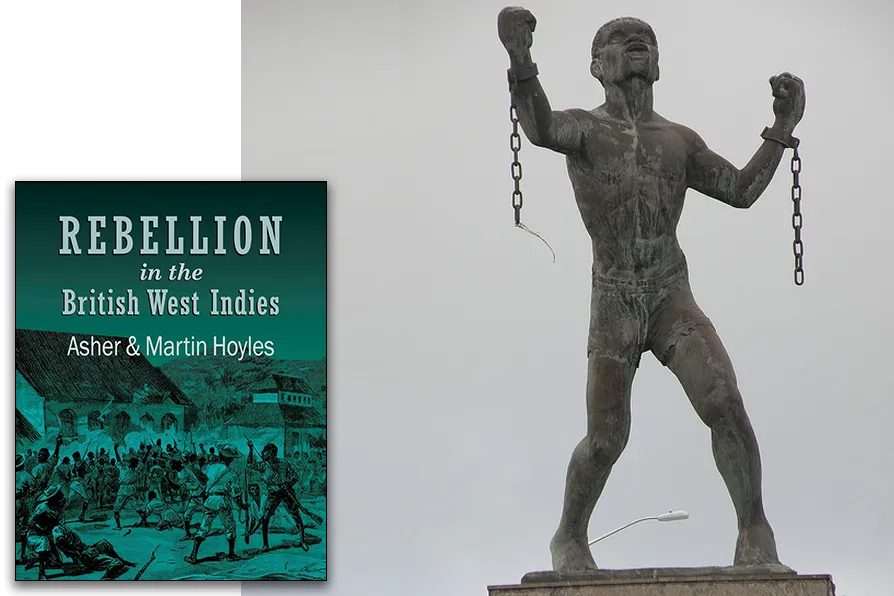
BOB NEWLAND appreciates an important contribution to the debate about how slavery helped to build the wealth of Western companies and states
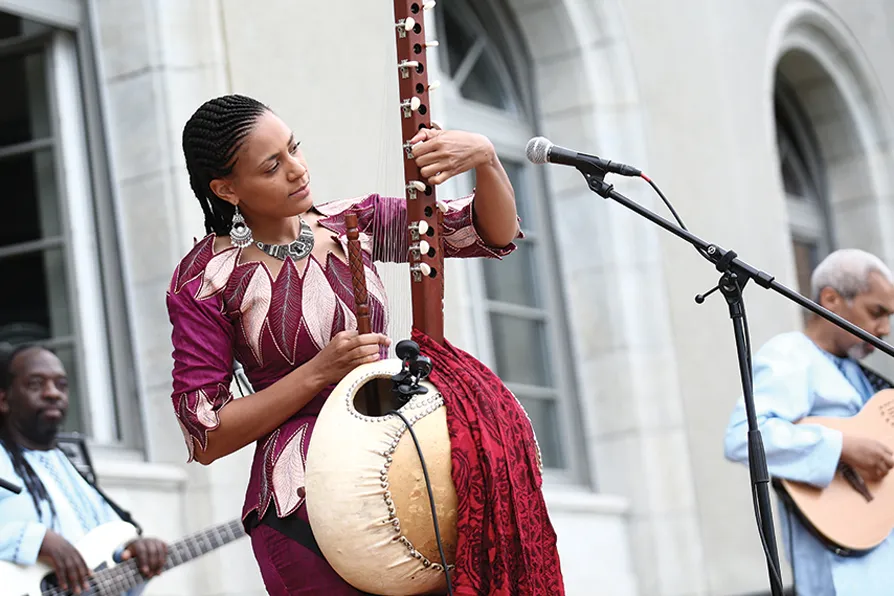
ROGER McKENZIE draws attention to the much-neglected oral traditions of the global South that define the identity – and therefore the liberation – of its custodians

BRENT CUTLER is intrigued by the imperialist, supremacist and contradictory history of a word that is used all too easily
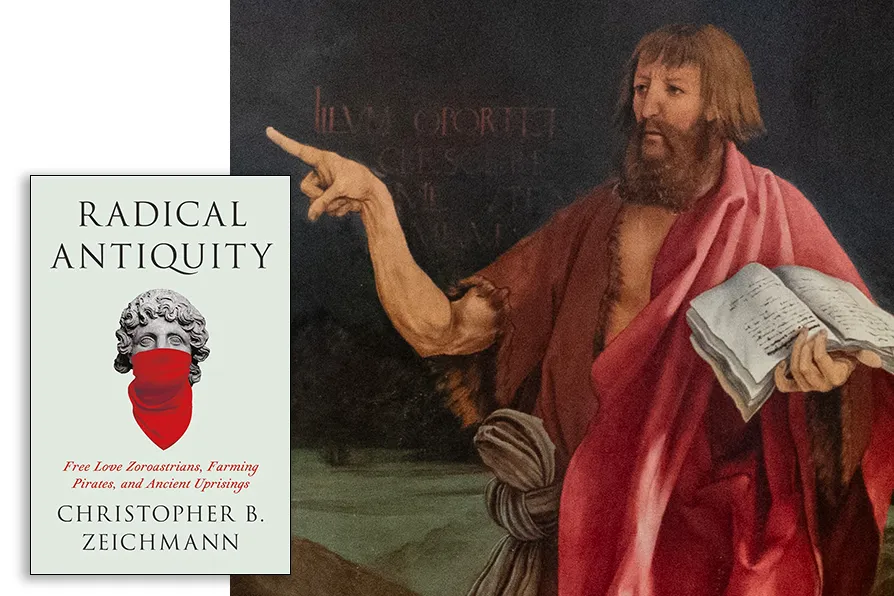
STEVE ANDREW enjoys an account of the many communities that flourished independently of and in resistance to the empires of old