

 Latest editorial
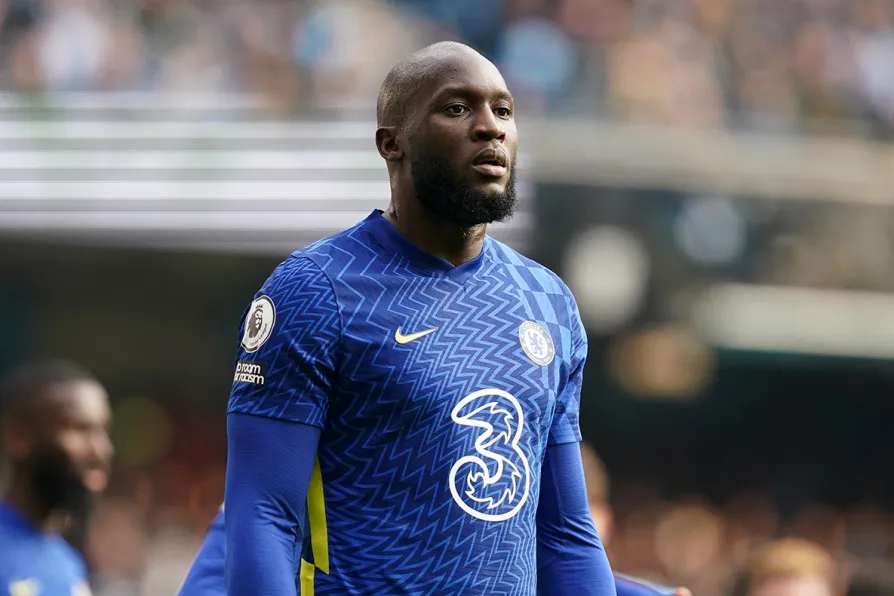 Chelsea's Romelu Lukaku in February 2022
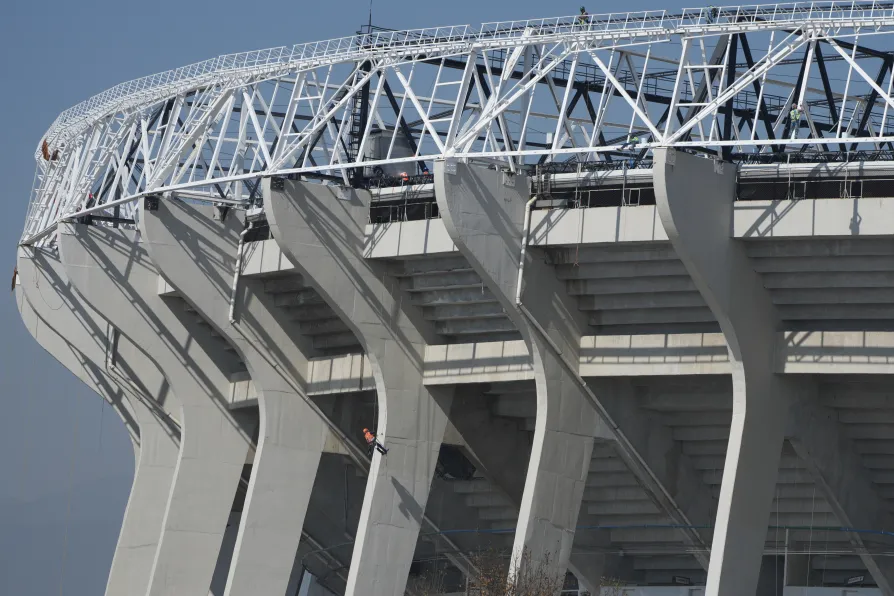
Players stress importance of unity and describe how war affects their preparations for the tournament
Free Lions fan group accuses governing body of prioritising profit over supporter safety



THE summer 2022 transfer window has only been open for one week, but the rumour mill is already working overtime.
It often feels like the transfer window is more popular than the football itself. A phenomenon that has grown in the digital age from the wonders of the BBC’s daily gossip column, fuelled by fantasy football, and the Fifa and Football Manager video games which are about buying and selling as much as playing.
The introduction of transfer windows themselves has made this part of the game into something of an event in its own right. The countdown begins to win the transfer window before ignoring the football again for a few months in preparation for its reopening in January.
But most of the furore around the transfer window ignores the reality of what football clubs are (or should be) looking to build: the dressing room dynamics, homegrown player quotas, matchday squad limits, the players themselves, and maintaining a wage structure fair to all staff.
The best teams are good at squad management and recognising the value of existing playing staff. Buying and selling players isn’t as easy as it is in fantasy football or video games where there is no emotion, no personal relationship, and the only thing involved is the numbers.
One of the worst things for a manager or coach to have to do is leave good players out of their matchday squad.
The size of a Premier League squad is limited to 25 with a limit of 17 non-homegrown players, but any number of under-21s can be added.
Teams now get to name nine substitutes, which takes the matchday squad size to 20, but this still means some players from the squad of 25 or more have to be left out altogether.
This can affect morale, and managers have to perform a balancing act when it comes to making sure all players feel valued while also making sure they have the required depth to compete in an often gruelling schedule.
Football teams don’t just need good players. They need a balanced dressing room of personalities and characters who will buy into what they are trying to achieve on and off the pitch.
And when a team does sign good players, they need to make sure they are the right player for their style of play, and can envision where they will fit in the side.
Most of the players at the top level are pretty good, else they wouldn’t be there in the first place. Clubs just need to make sure they are getting the right ones.
They need to have recruitment processes in place which match the overall aims of the club and the style of play.
Last summer, for example, Chelsea spent close to £100m on Romelu Lukaku.

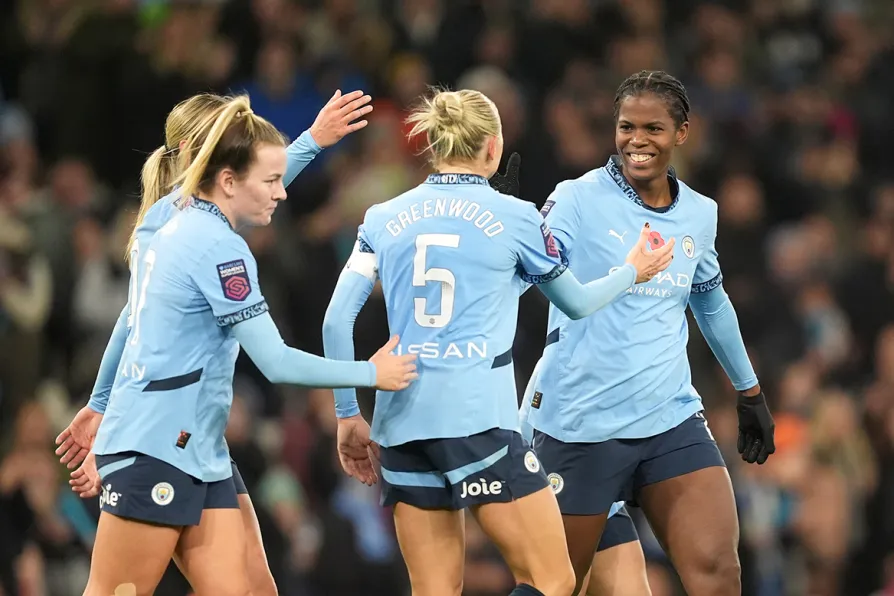
Forward looks to put injury frustration behind her to spearhead WSL campaign
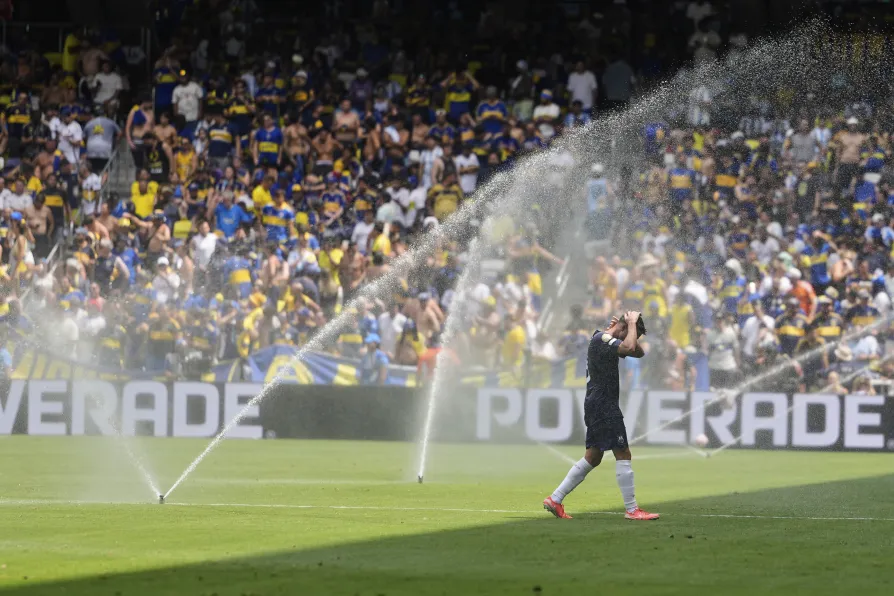
With climate change, commercial overload and endless fixtures, footballers are being pushed to breaking point. It’s time their unions became a more powerful, unified force, writes JAMES NALTON

STEVEN ANDREW welcomes a fine introduction to FC United of Manchester, the team set up in opposition to Manchester United