

 Latest editorial




THE South African Communist Party (SACP) reflected on a centenary of “unbroken struggle” today as it celebrated the 100th anniversary of its founding.
At a hybrid conference, held virtually and in person, the party’s general secretary Blade Nzimande said it continues to support the African National Congress (ANC) administration led by President Cyril Ramaphosa, but that the ANC’s current problems extend beyond the “nine wasted years” of the Jacob Zuma administration.
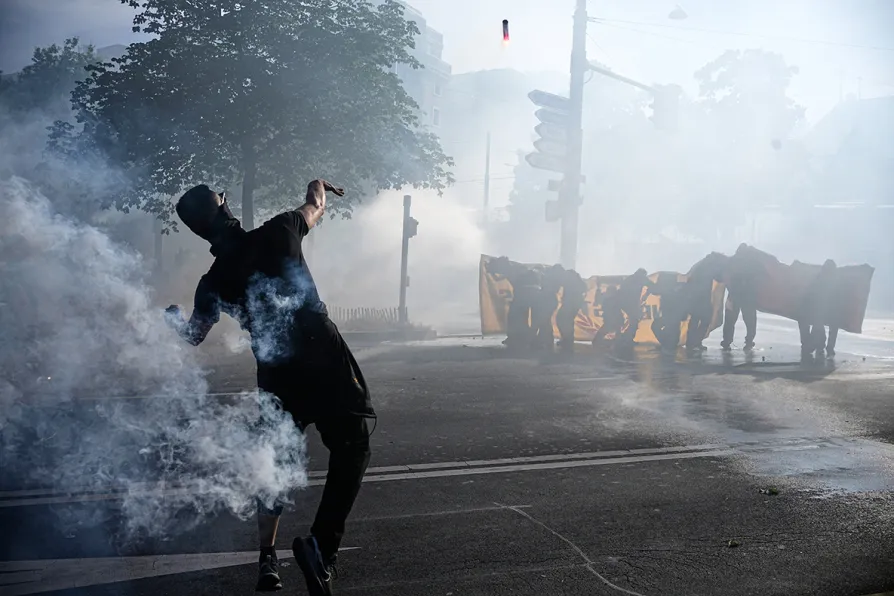
He said that recent unrest in Gauteng and other provinces was part of a “counter-revolutionary conspiracy” and that questions remain over how such a situation could have developed after 27 years of democracy.

ROGER MCKENZIE recalls the one-in-a-generation communist leader murdered at the dawn of a new South Africa 33 years ago last April 10

The shared path of the South African Communist Party and the ANC to the ballot box has found itself at a junction. SABINA PRICE reports

SALEEM BADAT and VASU REDDY introduce a new book about an outstanding interpreter of the world, and an activist scholar committed to changing society

The charter emerged from a profoundly democratic process where people across South Africa answered ‘What kind of country do we want?’ — but imperial backlash and neoliberal compromise deferred its deepest transformations, argues RONNIE KASRILS