DOUGLAS FIELD relishes the hard-boiled language, satire and humour of the third and last of the Harlem trilogy


 Latest editorial
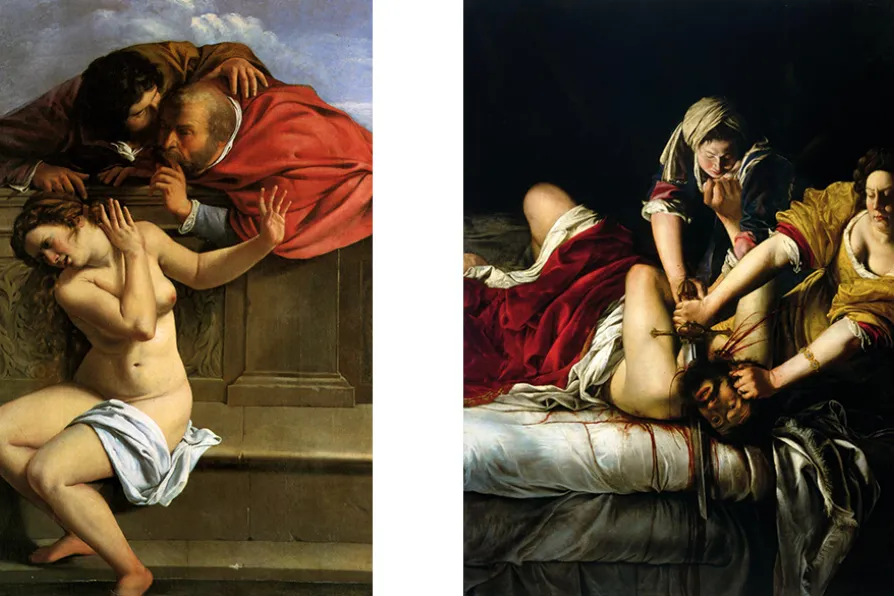
Artemisia Gentileschi’s Judith and Holofernes
Canvas which challenged feudal stereotypes of women

STEPHANIE BROWN draws attention to the hidden labour of the female embroiderers, and how a 19th century replica made no such error
MIK SABIERS revels in a band that ploughs an idiosyncratic furrow of expletive laden, guitar-driven alt rock
ANDY HEDGECOCK, MARIA DUARTE and ANGUS REID review Synthetic Sincerity, Our Hero, Balthazar, Heartstopper Forever, and A Year In London
The bard invites readers to a gig, raps for Clacton, and lays out the Burnham-Hurzeler conundrum
RON JACOBS recommends an important book that enhances the oppositional theories put forth by Fanon and, in doing so, remakes psychology itself




WHEN, at the age of 17, Artemisia Gentileschi painted Susanna and the Elders she might have well been responding to the sexual harassment she had to put up with in the studio of her widowed father Orazio.
If so, Gentileschi’s alter ego Susanna shows determination and courage in refuting the Elders’s debauched advances. They are portrayed as leering, aggressive voyeurs — there is trepidation in this image and the threat of imminent rape.
In the canvas, Gentileschi borrows the chiaroscuro technique from her father’s influential friend Caravaggio, in which the luminous and courageous Susanna is accosted by her tormentors, whose shapes and contours stay in the penumbra.

Similar stories
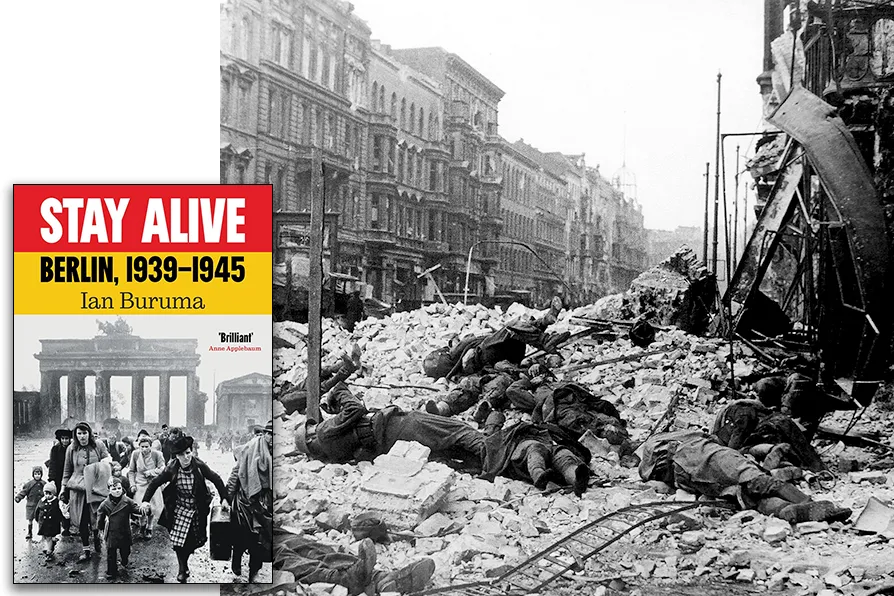
MARJ MAYO sees the contemporary relevance of this account of the consequences of a society’s accommodation with evil
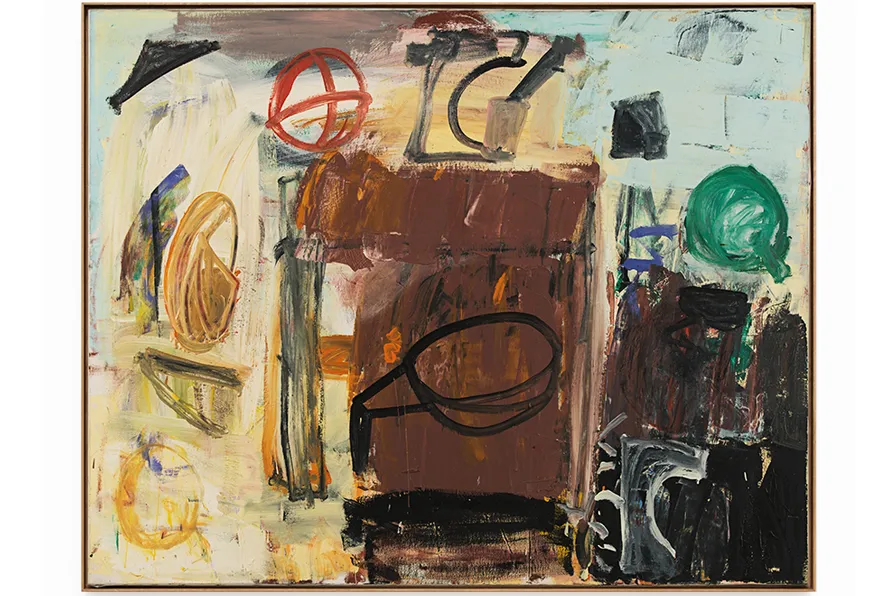
MIRANDA RICHMOND relishes the gloriously liberated art of Roy Oxlade, and traces his method back to the thinking of David Bomberg, his acknowledged teacher
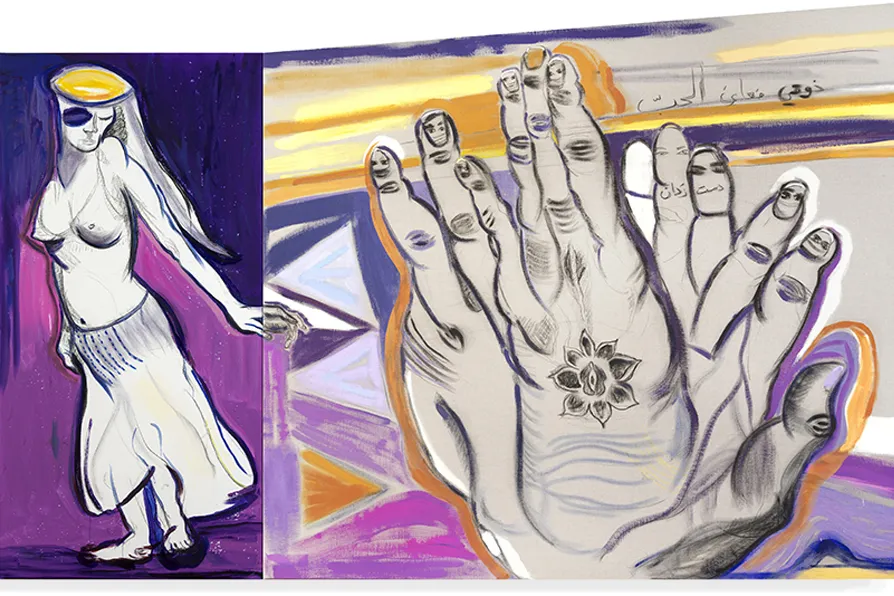
SIMON PARSONS applauds an artist who rescues and rehumanises stories of women, the victims of violence, from a feminist perspective
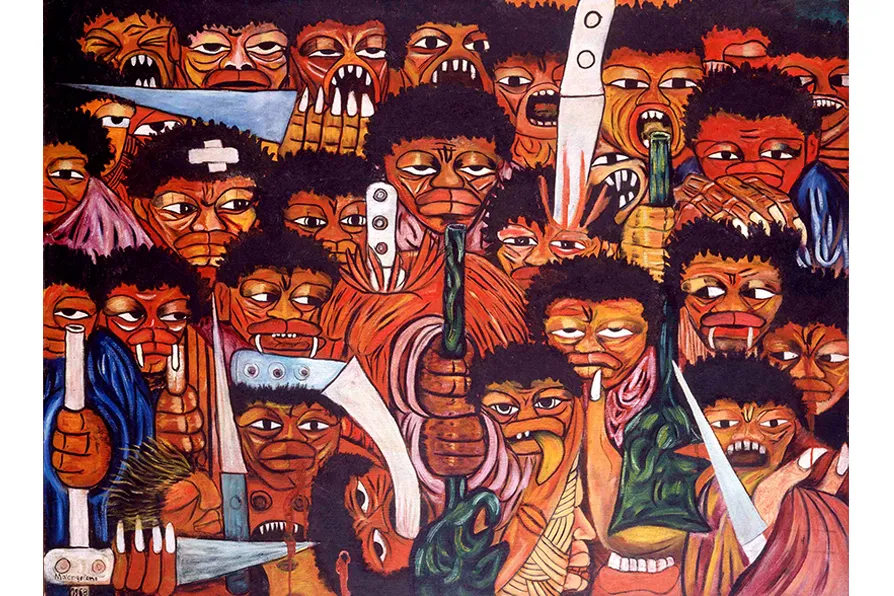
JOHN GREEN welcomes a remarkable study of Mozambique’s most renowned contemporary artist