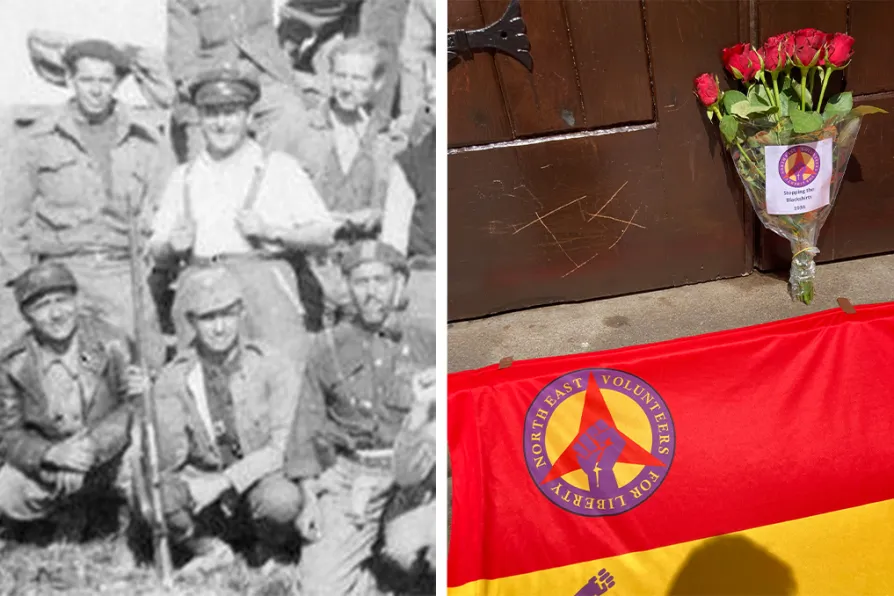
A 1936 confrontation with Mosley’s BUF became part of a wider international struggle, with local activists later joining the fight against fascism in the Spanish civil war. TONY FOX tells the story ahead of a 90th anniversary commemoration event


The war for media democracy
TIM GOPSILL exams the fate of the Leveson inquiry

Voters have delivered a stay of execution for Labour and exposed limits to Reform’s advance. But will Burnham offer a political alternative rather than just a different face at the top, asks ANDREW MURRAY
SEVIM DAGDELEN warns that Germany’s military resurgence and revival of old hostilities towards Russia have dangerous implications for Europe and beyond
MATT KERR takes stock of a night of by-elections, where the long repeated warnings for Labour and the political class remain stubbornly unheeded
Trump Is Building a Legal and Military Architecture to Invade Latin America. SARA VIVACQUA reports
Despite forming most of Britain’s trade union membership, women continue to endure harassment, inequality and minimal support for their sex-based rights, warns VALERIE COULTAS



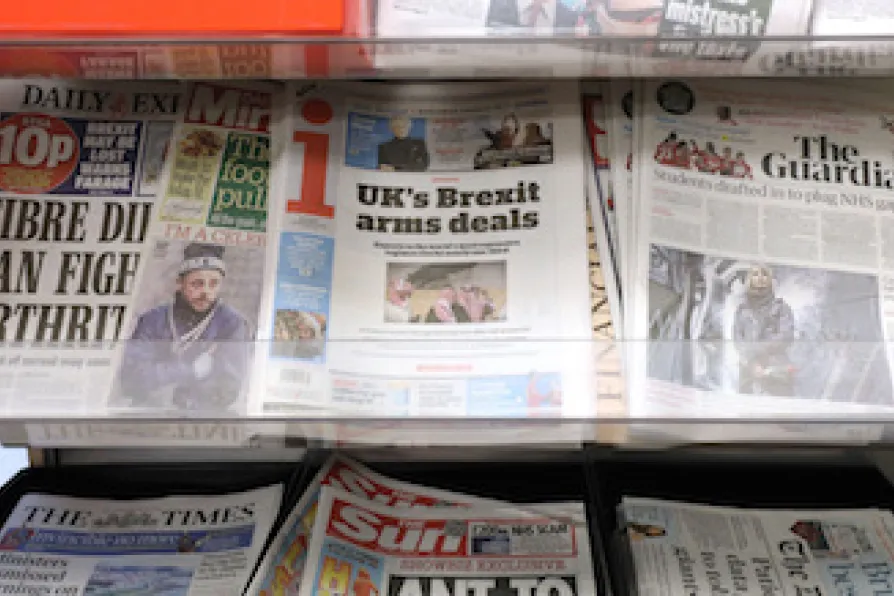
ON MAY 9, by 304 votes to 295, Parliament killed off the Leveson Inquiry.
The vote effectively ended an extraordinary challenge to power and corruption in Britain, which came so close to transforming the national press mouthpieces of the powerful into independent news media with a degree of social responsibility.
This failure to get them to sign up to a responsible system of self-regulation was a blow to reformers, who now have to reconfigure their work into a new assault on media power.

Similar stories
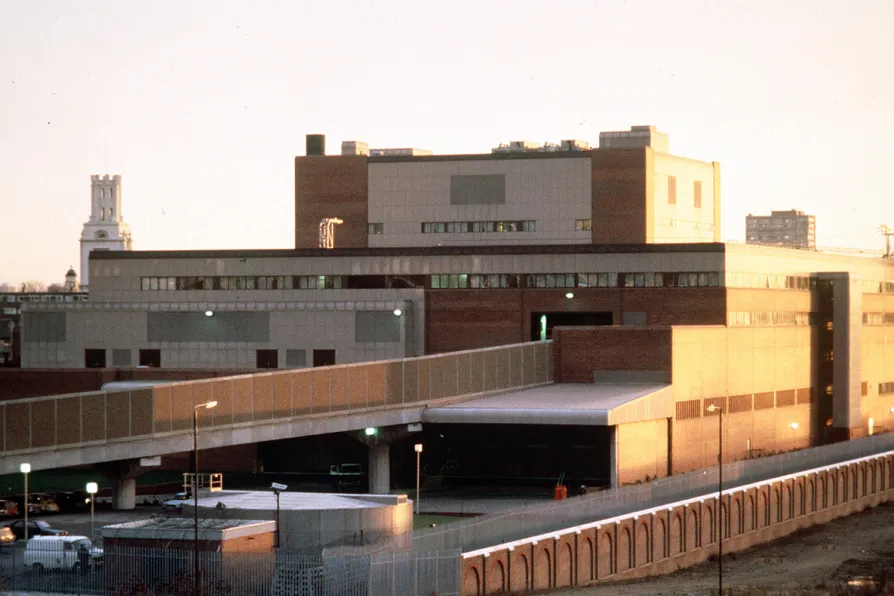
Forty years on, TONY DUBBINS revisits the Wapping dispute to argue that Murdoch’s real aim was union-busting – enabled by Thatcherite laws, police violence, compliant unions and a complicit media
![[Pic: Andrew Wiard]](https://www.morningstaronline.co.uk/sites/default/files/styles/desktop/public/2026-01/19860503_a_wiard_0003.jpg.webp?itok=mR5zV0nE)
The once beating heart of British journalism was undone by technological change, union battles and Murdoch’s 1986 Wapping coup – leaving London the only major capital without a press club, says TIM GOPSILL
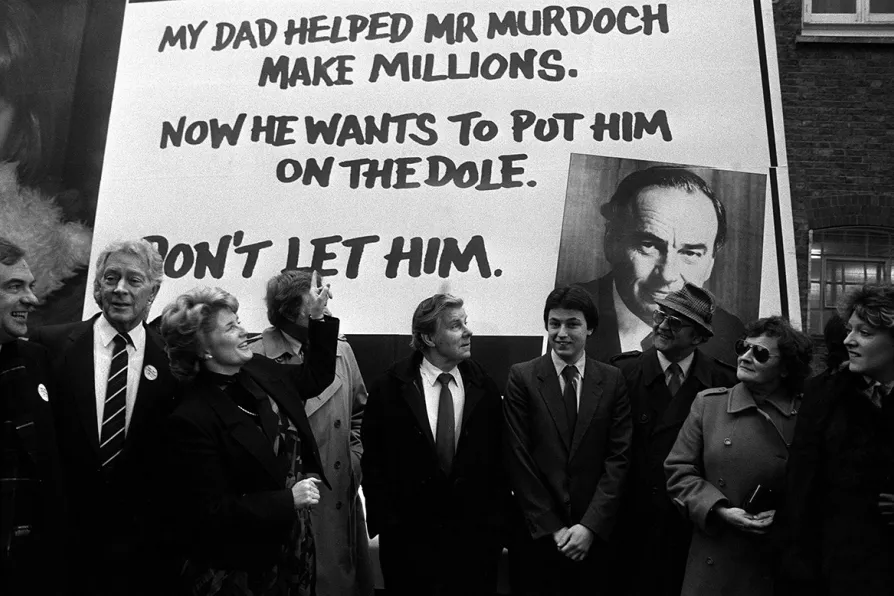
Enduring myths blame print unions for their own destruction – but TONY BURKE argues that the Wapping dispute was a calculated assault by Murdoch on organised labour, which reshaped Britain’s media landscape and casts a long shadow over trade union rights today
