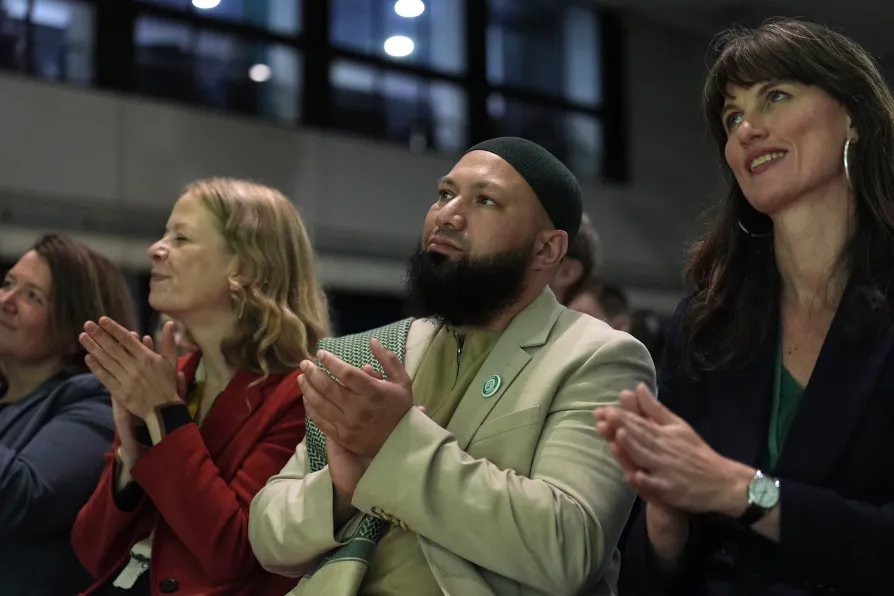
Green Party deputy leader MOTHIN ALI, who will speak at the International Anti-War Conference in London on June 20, says Britain needs to rethink its priorities – and its allies


 Latest editorial
The dangers of short-term foreign policy thinking
Those who called for caution or were against the wars in Iraq, Libya and Syria are often derided. But, as recent history shows, there have been grave consequences for Britain and the rest of the world
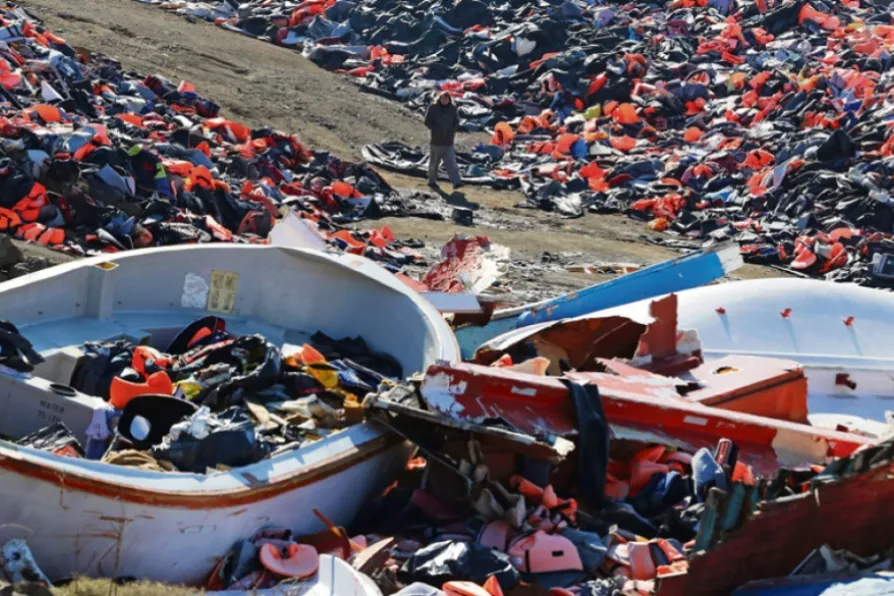
From Global Counsel to Arden, SOLOMON HUGHES finds firms linked to discredited politicians are still calling the shots in Britain
KEVIN COURTNEY explains why Reform UK is no friend to workers or trade unions, but just another party of the super-rich
EMMA DENT COAD explains why she is stepping down from the council after 20 years and how the legacy of the fire still haunts the area
While international attention focuses on ceasefire frameworks, Israel is openly advancing plans for a permanent expansion of its control over Gaza, writes RAMZY BAROUD
Researchers PAUL HOLDEN and JESSICA MURRAY are calling for whistleblowers and documentary records to uncover how Labour Together helped build the parliamentary majority that now dominates the Labour Party




FROM Iraq (circa 2002-3), to Libya in 2011 and Syria today, influential liberal commentators including David Aaronovitch, Nick Cohen, Paul Mason, Jonathan Freedland and many politicians have repeatedly pushed for Western military intervention.
“Something must be done,” they shout from their newspaper columns. “We must act now before it is too late,” they warn in the House of Commons.
One of the things that characterises these emotive and often simplistic calls for action is their narrow, laser-like focus on human rights abuses Western governments are publicly concerned about.

Similar stories
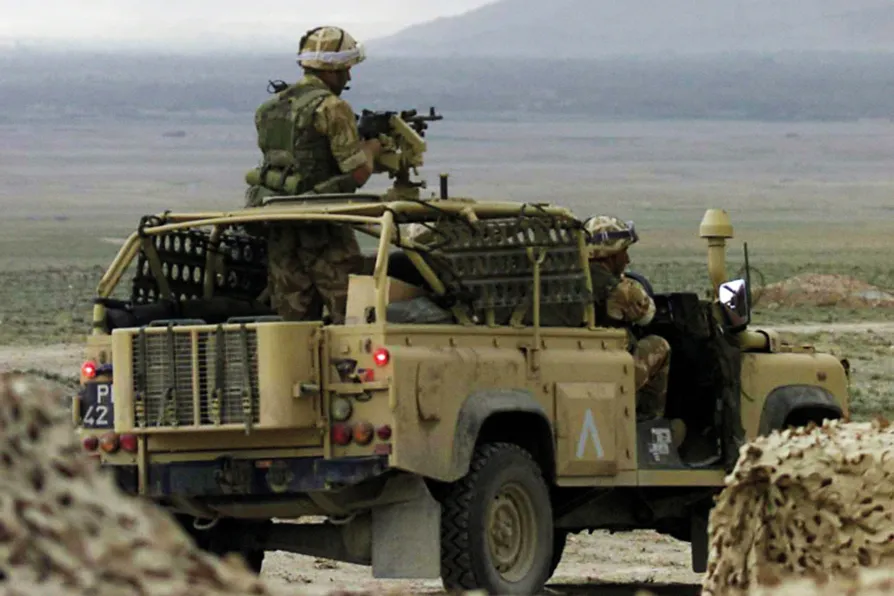
Outrage greeted Donald Trump’s suggestion earlier this year that Britain stayed off the front lines. But evidence suggests our forces were at times pulled from the most dangerous fighting — not by military failure, but by pressure at home, says IAN SINCLAIR
![SHAMELESS DISPLAY OF COERCION: Previously unreleased photos of Guantanamo captives, 2002, brought to Guantanamo Bay from Afghanistan by way of Incirlik, Turkey. [Pic: Staff Sergeant Jeremy Lock/CC]](https://www.morningstaronline.co.uk/sites/default/files/styles/desktop/public/2025-11/cia%20web2.jpg.webp?itok=o_Dyxu_T)
GUILLERMO THOMAS enjoys a survey of the current state of the CIA (aka Langley) from an expert and insider of sorts
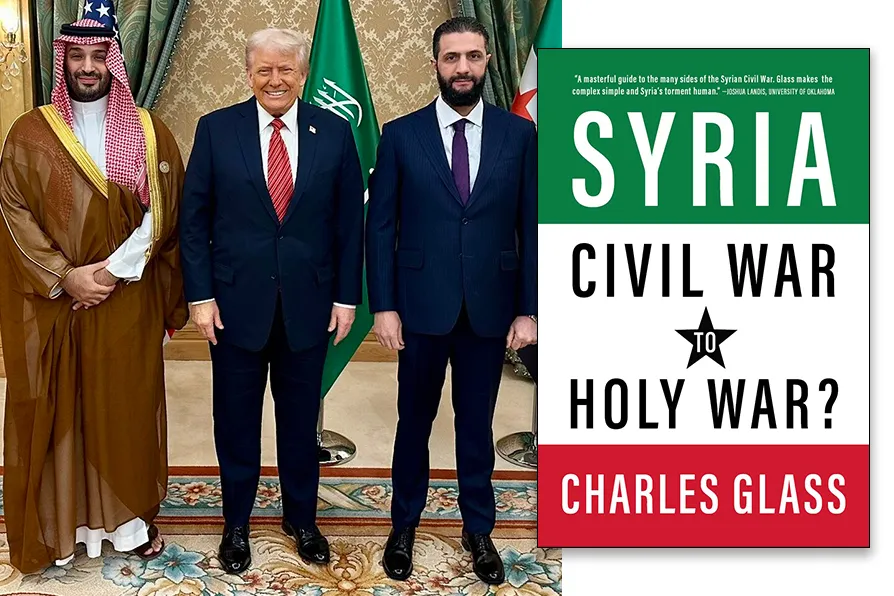
ALEX HALL follows the battered fortunes of Syria, a multi-ethnic country caught in the crossfire of competing imperialist interests
