 Latest editorial
Ron's rages are sincere and — according to his wife — healthily cathartic. But can these splenetic outbursts loosen the grip of capitalism at its most monstrous?


What it is to be human
A retrospective of artist Marlene Dumas’s work at Tate Modern is a challenging exploration of birth, sexuality and death, says Christine Lindey
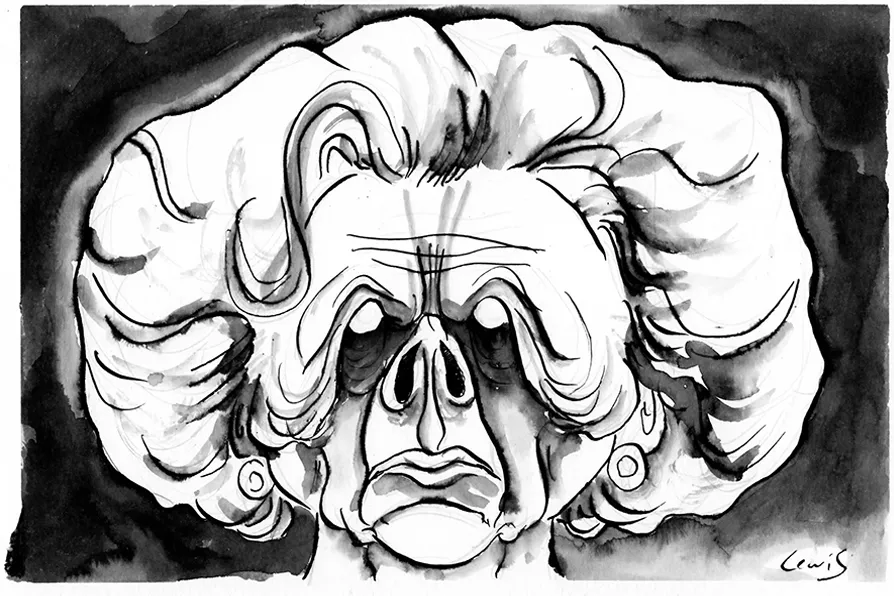
ANGUS REID considers the power of the podcast as a vehicle for consensus building in opposition to mainstream media narratives
GLENN FOSBRAEY recommends a biography worth reading for both existing George Michael fans and those yet to be converted
FRANCIS DEVINE introduces a new collection of essays that draws on Pease McKenna’s example to indicate future paths for the movement
KEVIN DONNELLY and MARIA DUARTE review Shoot the People, The Last One For The Road, Rosebush Pruning, and Moana
JAMES WALSH recommends an exceptional documentary about the experience of Western doctors in Gaza




In 1839 when Louis Daguerre introduced the invention of photography to an astonished assembly of artists and scientists, a leading painter declared: “From today painting is dead.” It survived, although in the 1970s conceptual artists declared painting irrelevant to an age saturated in lens-based imagery.
Marlene Dumas’s retrospective exhibition at Tate Modern proves them all wrong, yet it continues the uninterrupted dialogue between painting and photography initiated by Daguerre.
Dumas was born in 1953 to white Afrikaans-speaking farmers in Kuils-rivier, near Cape Town, five years after the establishment of apartheid. After a straight-laced education in a girls’ boarding school she studied fine art in Cape Town in the early 1970s. Her social and cultural horizons widened but there was little original art to be seen and she was taught the Western aesthetic, then dominated by art theory and conceptual art, from art books and journals.

Similar stories
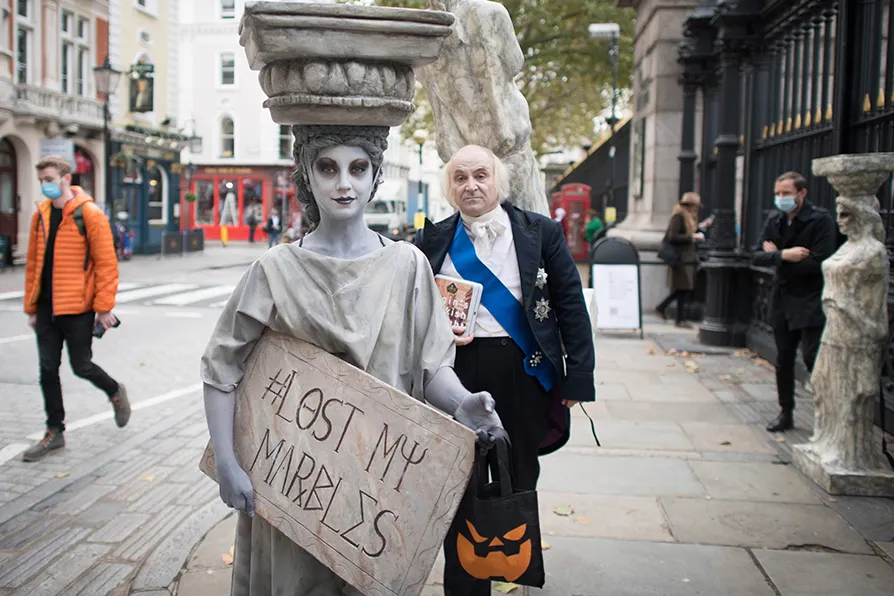
KEVIN DONNELLY suggests that the task of transforming cultural spaces is far from over and that photography still has a key role to play
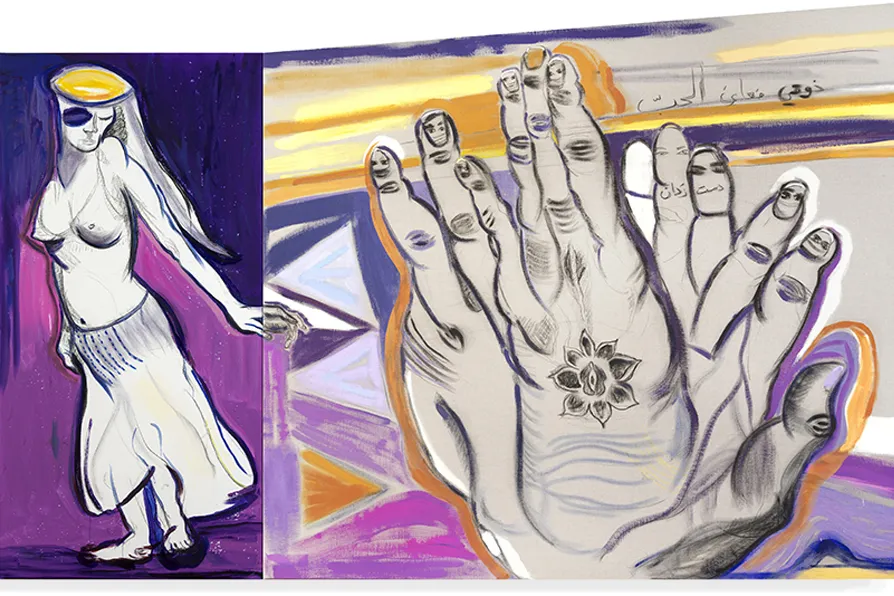
SIMON PARSONS applauds an artist who rescues and rehumanises stories of women, the victims of violence, from a feminist perspective
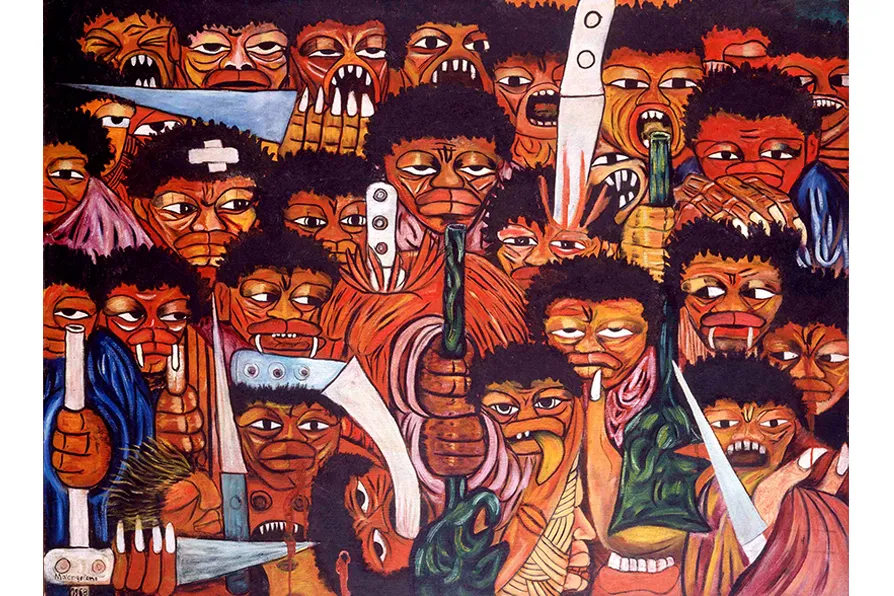
JOHN GREEN welcomes a remarkable study of Mozambique’s most renowned contemporary artist
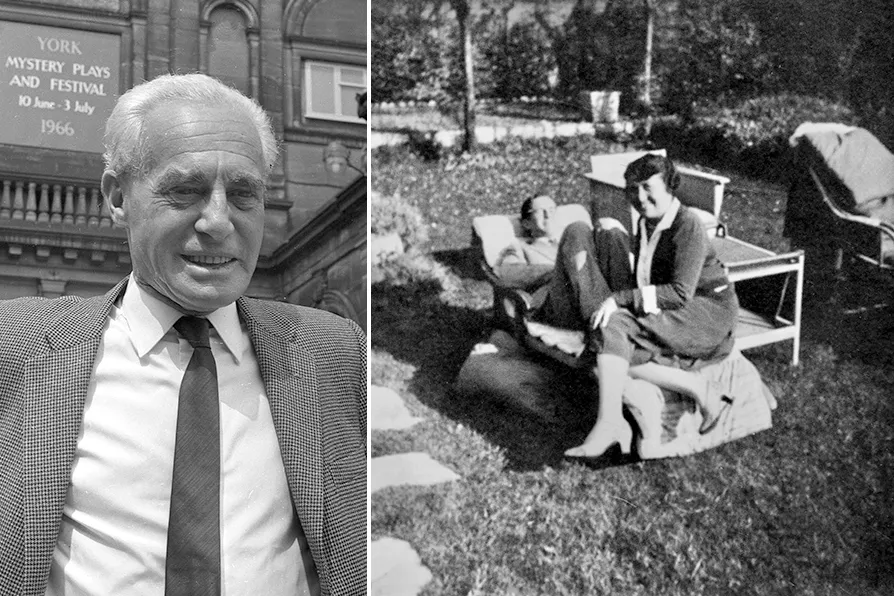
The creative imagination is a weapon against barbarism, writes KENNY COYLE, who is a keynote speaker at the Manifesto Press conference, Art in the Age of Degenerative Capitalism, tomorrow at the Marx Memorial Library & Workers School in London