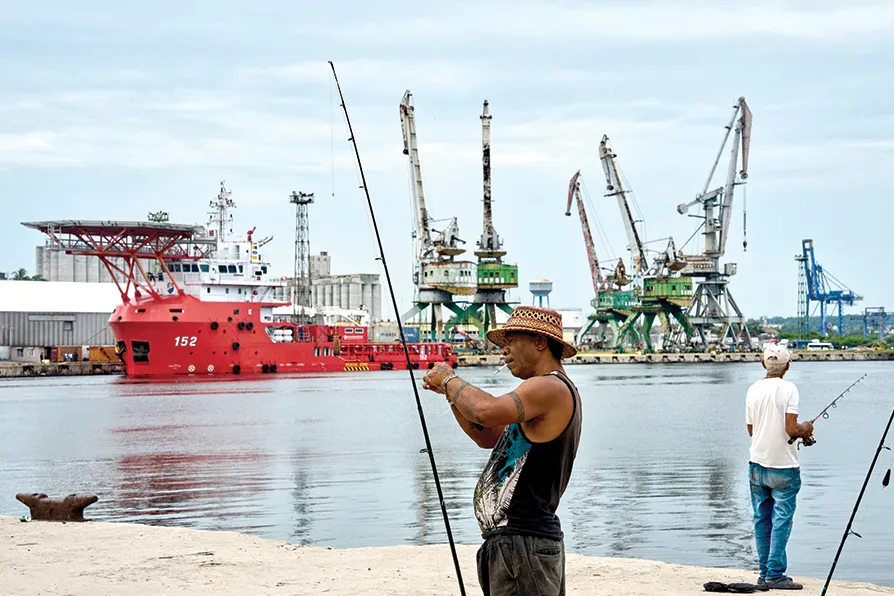
In the wake of his recent humanitarian visit to Cuba, RICHARD BURGON points to the now urgent need to defend the island’s political sovereignty and its right to self-determination


 Latest editorial
DEATH AND THE STATE: HOW DWP SANCTIONS SNUFF OUT LIVES
Two different freedom of information requests have exposed the shocking toll of benefits sanctions on the lives of Britain’s most vulnerable, writes ANITA BELLOWS
Thousands of jobs are at risk across higher education, yet government funding appears only when universities can be linked to military objectives, says JO GRADY, in the run-up to the Stop the War International Conference this Saturday
The Wye, Usk, Arrow and Lugg were once treasured for their clean waters – today, pollution and corporate excess are fuelling demands for a return to public ownership, says MARK SEDDON
The new Employment Rights Act is a step forward, but restoring collective bargaining and union power remains essential to tackling insecurity, outsourcing and low pay, says PAUL WHITEHOUSE
Rising support for Farage’s party reflects Labour’s failure to defend working-class living standards or offer a credible alternative to neoliberal decline, says JOSEPH MILLS
Trade unionists are mobilising to support Cuban workers and public services, amid escalating US pressure on the socialist island. RONAN OGILVY explains


SANCTIONS have been a feature of the welfare system since 1913, but in the past were applied in a narrow set of circumstances (such as dismissal for misconduct or voluntarily leaving a job).
They certainly did not extend to certain groups of people, particularly those one would expect to be protected against deliberate hardship and deprivation inflicted by one of the world’s richest nations.
Benefits sanctions have been the subject of many studies, although always viewed through the same prism: do they “help” jobless people move into work? Few studies have focused purely on the negative impact of sanctions, which is always fleetingly mentioned, although a 2002 one into the impact of welfare sanctions on the health of infants and toddlers in the US clearly shows a link between sanctions and a 30 per cent rise in hospitalisation of infants and toddlers. It also shows a 30 per cent higher risk of malnutrition at a critical age.

Similar stories

DYLAN MURPHY reports that far from helping people back into work, the sanctions regime is inflicting unnecessary trauma on working-class families
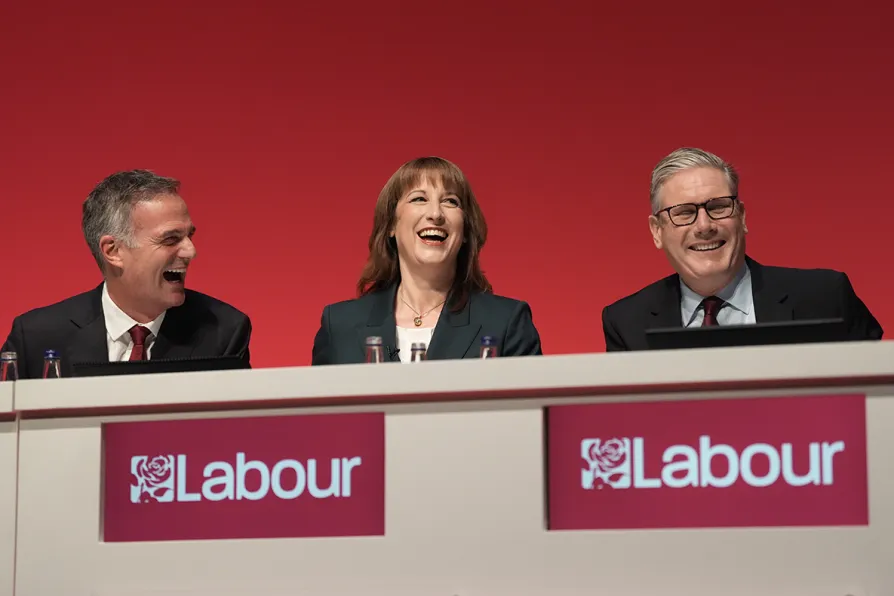
Labour will find increases in the state pension age are unacceptable, just as cuts to the Winter Fuel Allowance, personal independence payments and universal credit are — it needs to change direction immediately, writes PCS general secretary FRAN HEATHCOTE
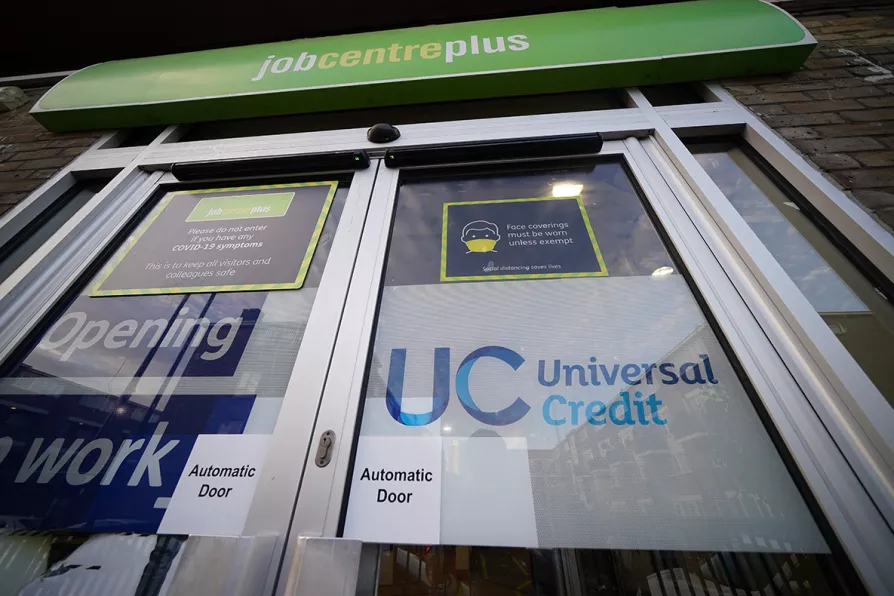
A new report from the Citizens Advice destroys the government narrative about disabled people ‘choosing’ not to work, showing the £3,000 annual cuts will create a two-tiered system based on claim dates rather than needs, writes DYLAN MURPHY
The government’s retreat on PIP still leaves 150,000 new universal credit claimants facing halved benefits from April 2026, creating a discriminatory two-tier welfare system that campaigners must continue fighting, writes DR DYLAN MURPHY