Morning Star editor BEN CHACKO says assessing a Labour leader whose mission was to smash the left must involve addressing the delusions that fuelled his rise


 Latest editorial
How the free-market fanatics made a mockery of democracy
Bryan Gould explains how the destruction of the postwar consensus by a small group of economists left thousands around the globe effectively disenfranchised
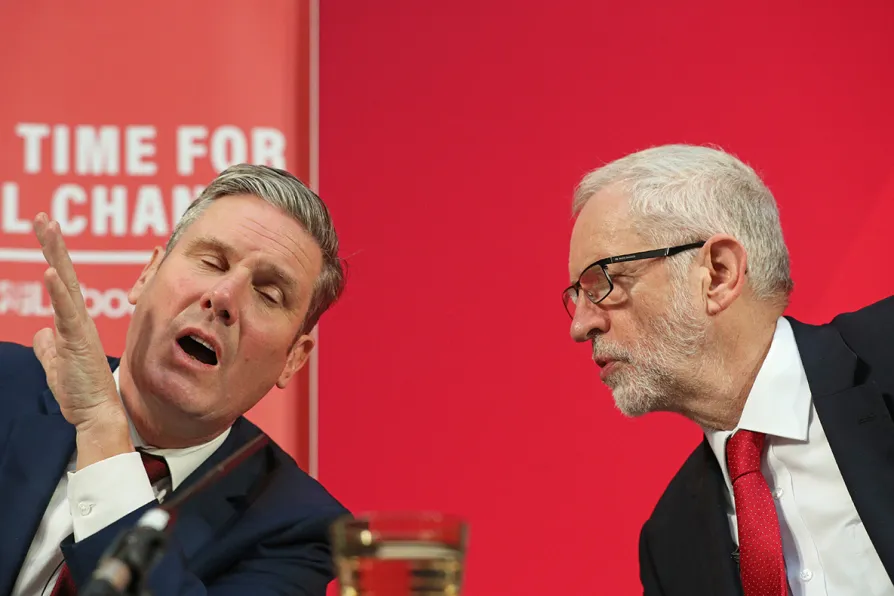
Rebuilding Labour’s working-class roots and organising power is essential if the party is to recover, says MERCEDES VILLALBA
ANDREW MURRAY looks back at a damaging career marked by dishonesty, incompetence and revolting complicity in war crimes
Britain’s historic vote to leave the EU was a rejection of the political Establishment and the strategic direction pursued by Britain’s ruling class since the second world war, writes ALEX GORDON
Over 1,000 hostile US sanctions remain in place on Venezuela, while Britain continues its colonial theft of gold, writes MATT WILLGRESS
MARY DAVIS says the centrality of the Jewish community and the Communist Party to anti-fascism in the 1930s is too often overlooked on the left




When Francis Fukuyama celebrated what he believed to be the more or less permanent triumph of liberal democracy as "the end of history" in his famous 1989 essay of that name, he saw the "free market" and democracy as not only compatible but as mutually supportive.
The market, more or less unfettered, was in his view the natural equivalent in economic terms of political democracy, achieving the same dispersal of economic power throughout society as democracy achieved in political terms.
He saw no need for democracy to act as a restraint on the economic outcomes determined by the market and he saw no danger that the "free market" might in some ways prove inimical to effective democracy.

Similar stories
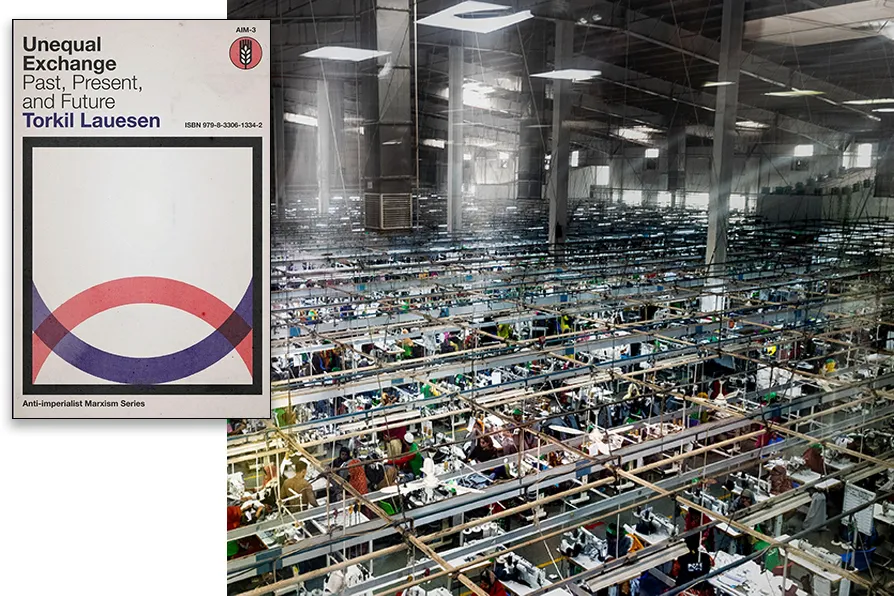
MARTIN GRAHAM welcomes, with reservations, a scholarly addition to the unfinished business of understanding how capital works on a world scale

The biggest strike in global history is a template for our future. The silence tells you all you need to know, writes CLAUDIA WEBBE
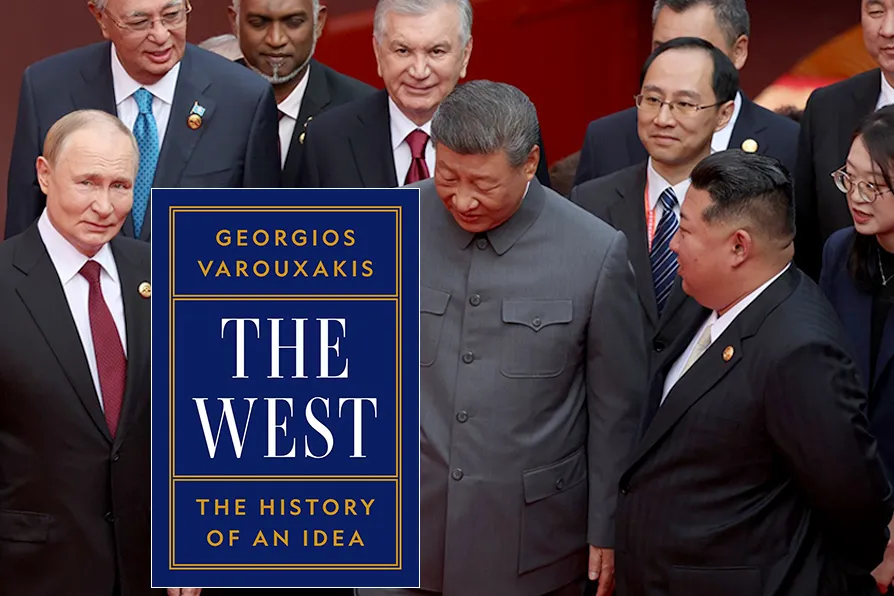
BRENT CUTLER is intrigued by the imperialist, supremacist and contradictory history of a word that is used all too easily

Deep disillusionment with the Westminster cross-party consensus means rupture with the status quo is on the cards – bringing not only opportunities but also dangers, says NICK WRIGHT