GORDON PARSONS appreciates fine performances and a feel for ambiguity, but misses the music of the dialogue


 Latest editorial
Poetry rules: Emma Hammond on the Queen's poetry reception
Last week the Queen held a reception at Buckingham Palace for the UK poetry world. EMMA HAMMOND explains why the Queen symbolises everything rotten about contemporary society.
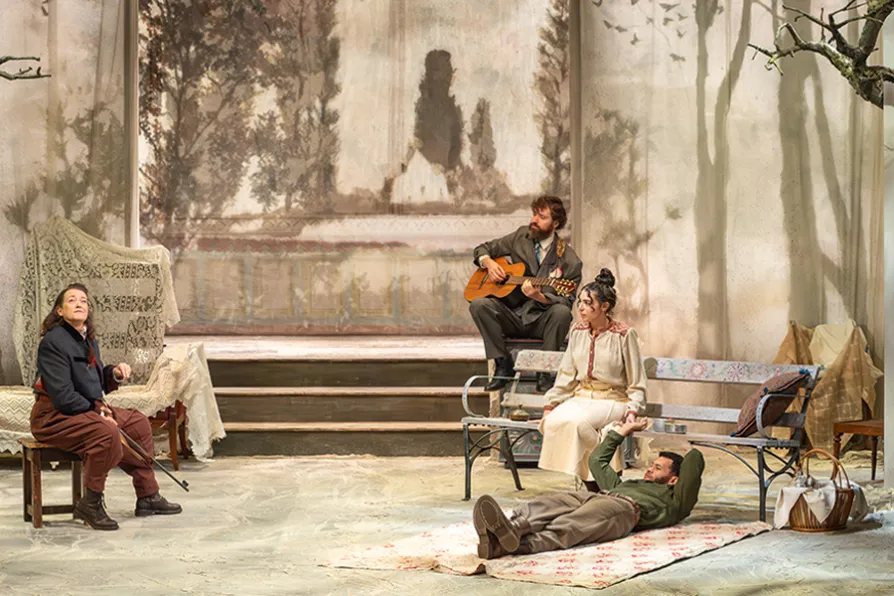
DOUGLAS FIELD relishes the hard-boiled language, satire and humour of the third and last of the Harlem trilogy
STEPHANIE BROWN draws attention to the hidden labour of the female embroiderers, and how a 19th century replica made no such error
MIK SABIERS revels in a band that ploughs an idiosyncratic furrow of expletive laden, guitar-driven alt rock
ANDY HEDGECOCK, MARIA DUARTE and ANGUS REID review Synthetic Sincerity, Our Hero, Balthazar, Heartstopper Forever, and A Year In London
The bard invites readers to a gig, raps for Clacton, and lays out the Burnham-Hurzeler conundrum
RON JACOBS recommends an important book that enhances the oppositional theories put forth by Fanon and, in doing so, remakes psychology itself




Many of us watched in wonder last week as a poetry maelstrom occurred. Around 300 poets were invited and went off to meet the Queen at Buckingham Palace for the purpose of celebrating British poetry. And why not? Poetry certainly deserves recognition for being one of the last art forms that is supposedly unsullied by capitalism: there is no money in poetry which means no vast sums of money changing hands. It is not fashionable (as much as marketing executives have tried), and most importantly, a large number of poets are hugely subversive and anti-establishment.
However, perhaps these things should not be the defining features of a poet - the ‘angry young men’ (or women- since they’ve been allowed) image of poets is probably outdated or a romantic notion in itself; but I had rather thought that poetry is at least one of the places where independent, progressive thought is best served.
Let’s be honest, elitism is not particularly civilised - if anything it drives people apart, causes rifts and gives weight to a kind of magical thinking or myth-making that is not at all based in truth. How can we move forward without a reasonable acceptance of reality?

Similar stories
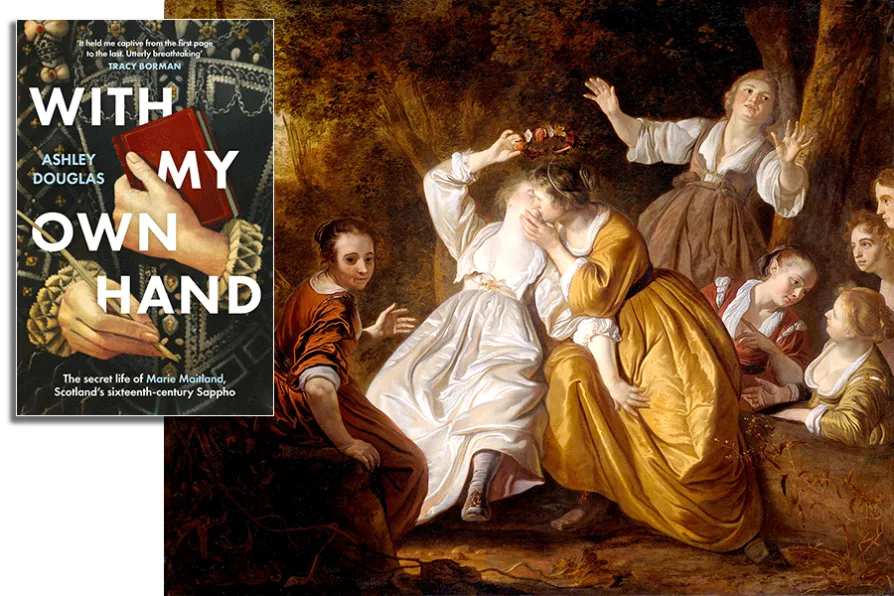
DIANE WATT argues that while evidence of sex is not there, a 16th‑century lesbian poet could be Scotland’s answer to Gentleman Jack
In verse and polemic, the bard points out that he is a poet and musician, not a political party

RUTH AYLETT recommends that this mixture of memoir, diary and poetry by a young Gazan writer be read as widely as possible
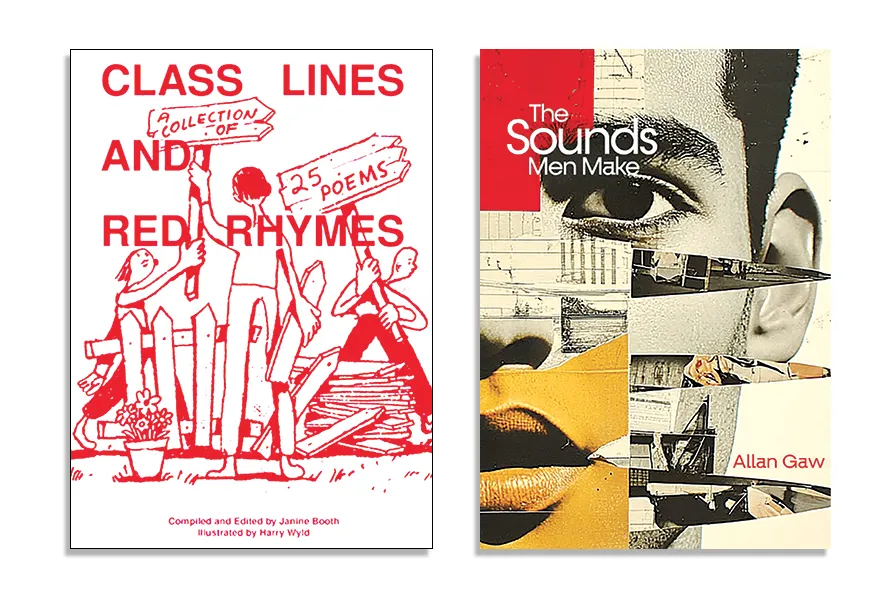
RUTH AYLETT reviews two collections of outright political poetry