Morning Star editor BEN CHACKO says assessing a Labour leader whose mission was to smash the left must involve addressing the delusions that fuelled his rise


 Latest editorial
The 'better off on benefits' lie
IAN SINCLAIR cuts through some of the myths being bandied around about those receiving state support

Rebuilding Labour’s working-class roots and organising power is essential if the party is to recover, says MERCEDES VILLALBA
ANDREW MURRAY looks back at a damaging career marked by dishonesty, incompetence and revolting complicity in war crimes
Britain’s historic vote to leave the EU was a rejection of the political Establishment and the strategic direction pursued by Britain’s ruling class since the second world war, writes ALEX GORDON
Over 1,000 hostile US sanctions remain in place on Venezuela, while Britain continues its colonial theft of gold, writes MATT WILLGRESS
MARY DAVIS says the centrality of the Jewish community and the Communist Party to anti-fascism in the 1930s is too often overlooked on the left




Attempting to justify their cuts to the welfare state, Work and Pensions Secretary Iain Duncan Smith and Chancellor George Osborne have both argued that people are often better off on benefits than they are in work.
However, to paraphrase Edmund Blackadder, there is one tiny flaw with this assertion - it's bollocks.
The Joseph Rowntree Foundation's head of poverty Chris Goulden recently noted that the "better off on welfare" claim is one of the most persistent myths about poverty in Britain.

Similar stories


Labour will find increases in the state pension age are unacceptable, just as cuts to the Winter Fuel Allowance, personal independence payments and universal credit are — it needs to change direction immediately, writes PCS general secretary FRAN HEATHCOTE
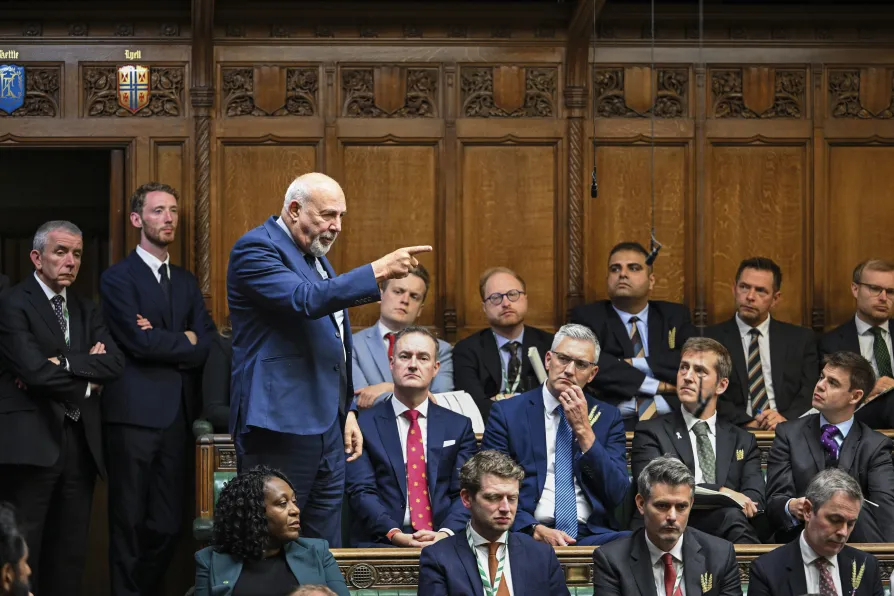
We cannot refuse to abolish the unjustifiable two-child benefit cap that pushes children into poverty while finding billions of pounds for defence spending — the membership and the public expect better from Labour, writes JON TRICKETT MP
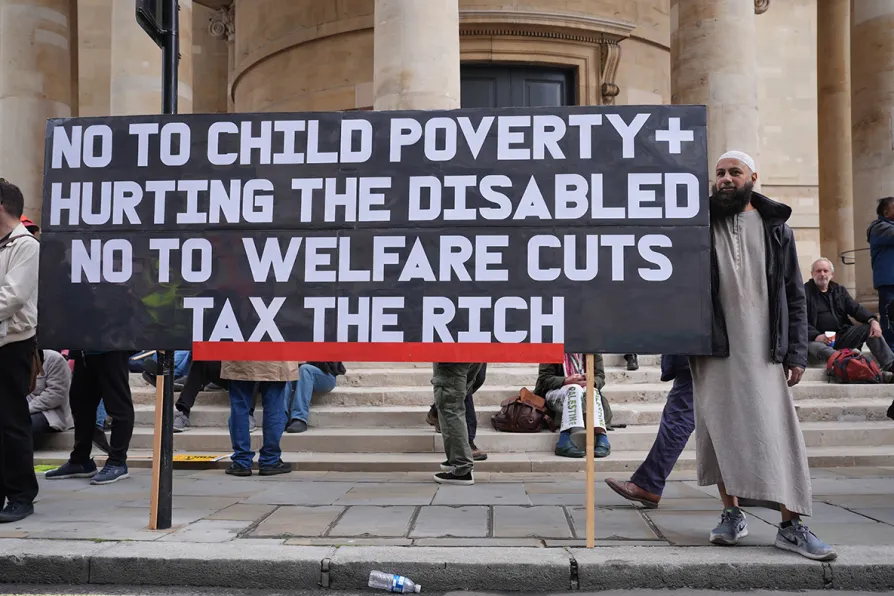
In the current climate, it is vital to bust the myths and put forward the case for a humane and decent social security system that supports people, argues FRAN HEATHCOTE