Morning Star editor BEN CHACKO says assessing a Labour leader whose mission was to smash the left must involve addressing the delusions that fuelled his rise


 Latest editorial
Forged in class struggle
As the labour movement celebrates the Chainmakers’ Festival this weekend, the Star charts the dramatic course of events as the women workers of Cradley Heath battled for a decent wage
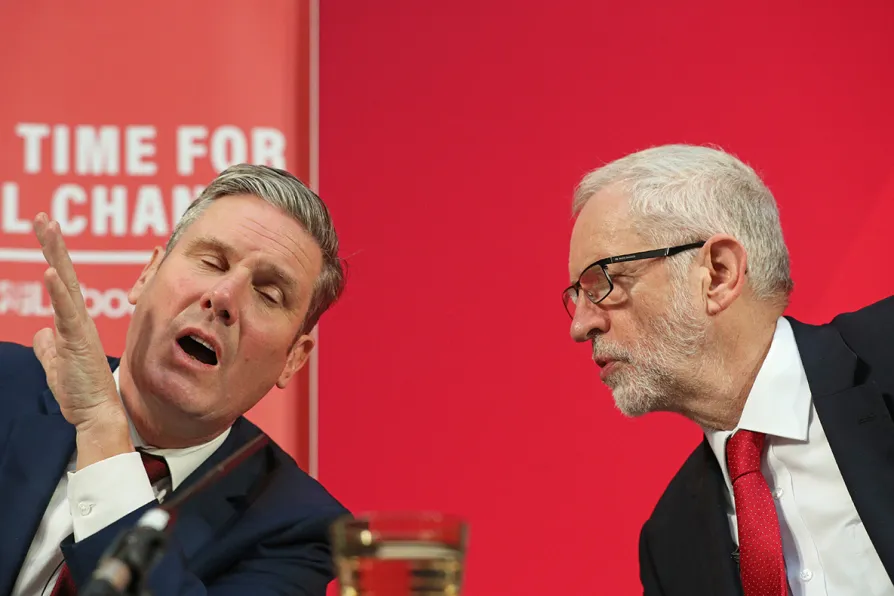
Rebuilding Labour’s working-class roots and organising power is essential if the party is to recover, says MERCEDES VILLALBA
ANDREW MURRAY looks back at a damaging career marked by dishonesty, incompetence and revolting complicity in war crimes
Britain’s historic vote to leave the EU was a rejection of the political Establishment and the strategic direction pursued by Britain’s ruling class since the second world war, writes ALEX GORDON
Over 1,000 hostile US sanctions remain in place on Venezuela, while Britain continues its colonial theft of gold, writes MATT WILLGRESS
MARY DAVIS says the centrality of the Jewish community and the Communist Party to anti-fascism in the 1930s is too often overlooked on the left



During the 19th century most production of large chains had become industrialised.
But what was often known as “small chain” industry, for agricultural or domestic use, was almost exclusively carried out in the home or a back garden shed.
Much of their manufacture was performed in tiny workshops, mostly by women and young girls and usually hand-worked by women who were largely non-unionised and their treatment bordered on the abusive. Over the years small chainmaking became increasingly focused in Cradley Heath in the West Midlands.

Similar stories
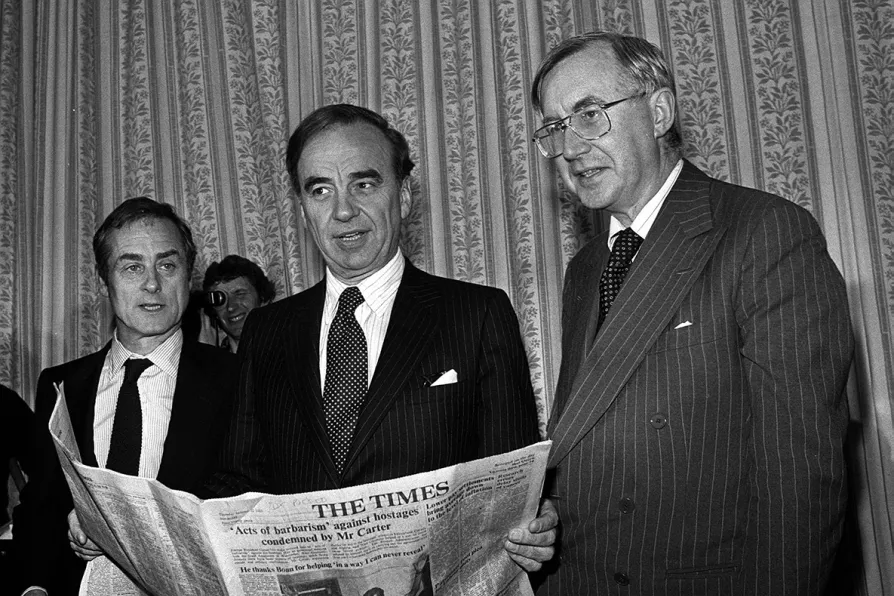
Four decades on, the Wapping dispute stands as both a heroic act of resistance and a decisive moment in the long campaign to break trade union power. Lord JOHN HENDY KC looks back on the events of 1986

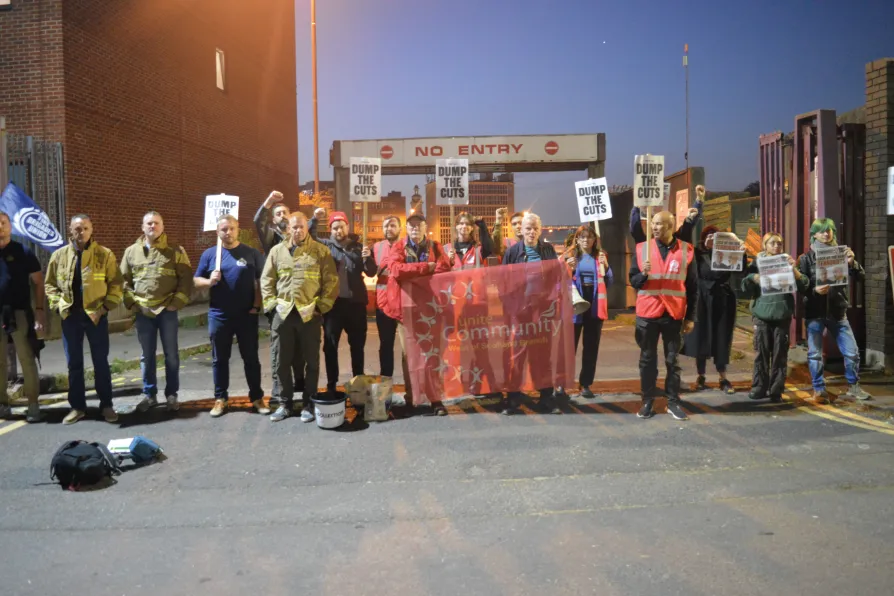
Since 2023, Strike Map has evolved from digital mapping at a national level to organising ‘mega pickets’ — we believe that mass solidarity with localised disputes prepares the ground for future national action, writes HENRY FOWLER
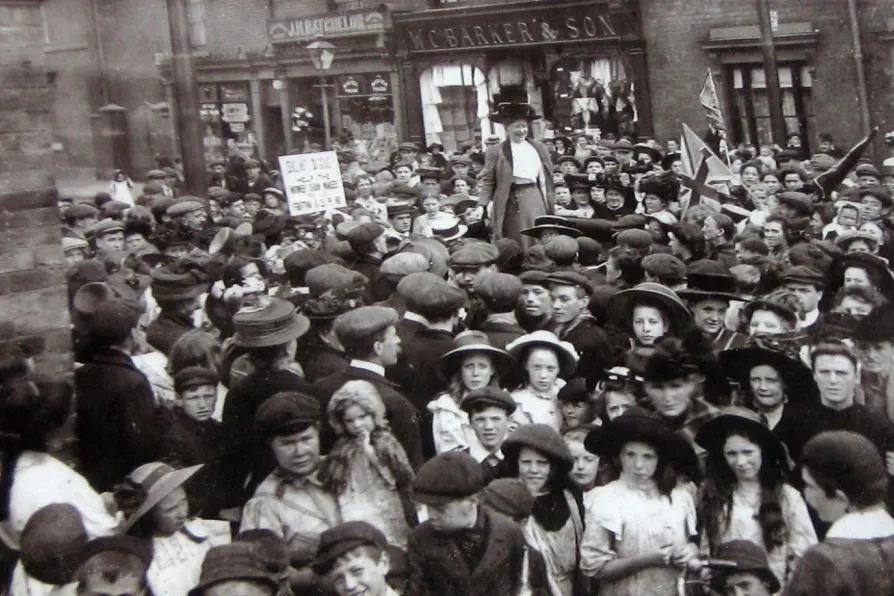
TUC Midlands marks 20 years of celebrating the 1910 chainmakers’ victory with a festival that connects historical lessons to modern struggles — because working-class history should inspire action, not just nostalgia, writes STUART RICHARDS